Zum Hauptinhalt springen
Universität
Studium & Lehre
Forschung
Kooperationen
International
Einrichtungen
de
en
Suche
Suchen
Inhaltsverzeichnis dieser Seite
Lehrveranstaltungen
Institut für Management & Organisation (IMO)
Dieses Bereichsmenü durchsuchen
Digitale Transformation
Untermenu Digitale Transformation
Abschlussarbeiten
Entrepreneurship und Organisation
Untermenu Entrepreneurship und Organisation
DFG Netzwerk „Organisieren gesellschaftlicher Transformation: Eine Prozessperspektive"
Abschlussarbeiten
Entrepreneurship, Organisation und Kultur
Untermenu Entrepreneurship, Organisation und Kultur
Ethnography course
Innovation Management
Untermenu Innovation Management
Abschlussarbeiten
Kontakt
Kommunikations- und Kulturmanagement
Untermenu Kommunikations- und Kulturmanagement
Abschlussarbeiten
Marketing
Organisation
Untermenu Organisation
Abschlussarbeiten
IBAE Community / Alumni Activities
Personalwirtschaft und Personalcontrolling
Social & Sustainable Entrepreneurship
Untermenu Social & Sustainable Entrepreneurship
L-SEC Sustainable Entrepreneurship Certificate
Transferprojects
Untermenu Transferprojects
SINTRA - Sozial-innovative Transformation durch inklusive Arbeitswelten
MEHRCE - Innovationscommunity Mehrwegsysteme
Strategic Entrepreneurship
Untermenu Strategic Entrepreneurship
Projekt PROXIA
Strategisches Management und Entrepreneurship
Untermenu Strategisches Management und Entrepreneurship
Forschung
Untermenu Forschung
Digital Entrepreneurship
Entrepreneurship in Professional Services
Lehrangebot
Abschlussarbeiten
Untermenu Abschlussarbeiten
Abschlussarbeitsthemen
Publikationen
Untermenu Publikationen
Discussion Paper Reihe
Unternehmen in der Gesellschaft
Untermenu Unternehmen in der Gesellschaft
Forschung und Projekte
Lehre
Abschlussarbeiten
Team
Forschung und Projekte
Untermenu Forschung und Projekte
LIONA
REGINNB – Regionale Entwicklung und Innovation beschleunigen: ein co-kreativer Ansatz
Digital Entrepreneurship
Entrepreneurship Training
Digitale Plattformen
Lehre
Transfer
Internationalisierung
Personen
Untermenu Personen
Lana Bartusch
Sigrid Bekmeier-Feuerhahn
Laura Berger
Alexa Böckel
Hanna Pauline Börries
Boukje Cnossen
Untermenu Boukje Cnossen
Forschungsinteressen
Sara Elsa Maj Dahlman
Leonie Eising
Steffen Farny
Laura Fey-Kreuzer
Thomas Gegenhuber
Nora Große
Stefanie Habersang
Antoniya Hauerwaas
Jantje Halberstadt
Sünje von Helldorff
Cornelius Herstatt
Katharina Hug
Robert Hoyer
Lea Jakob
Ele Jansen
Maria Elisabeth Jansen
Thorsten Jochims
Untermenu Thorsten Jochims
"pro nova"
Edgar Kreilkamp
Theres Konrad
Lena Kostuj
Lillan Lommel
Ann-Kathrin Nies
Panida Nowa
Verena Meyer
Birke Otto
Frederic Penz
Svenja Rehwinkel
Markus Reihlen
Nora Sophie Rein
Pauline Reinecke
Elske Ruge
Melina Schichta
Jens Schmidt
Dennis Schöneborn
Elke Schüßler
Iris Seidemann
Anna Stöber
Hannah Trittin-Ulbrich
Sara Maria Velez Restrepo
Charlotte von Wulffen
Jakob Weers
Matthias Wenzel
Ursula Weisenfeld
Mattea Wehage
Kontakt
Bereich durchsuchen
Bereich durchsuchen
Suchbegriff löschen
Leuphana
Institute
Institut für Management & Organisation (IMO)
Personen
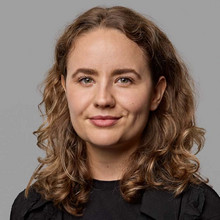
Lena Kostuj
Lena Kostuj, M.A.
21335
Lüneburg,
Universitätsallee 1, C6.133
Fon +49.4131.677-2174,
lena.kostuj
@
leuphana.de
Inhaltsverzeichnis dieser Seite
Lehrveranstaltungen
Lehrveranstaltungen
Keine Veranstaltungen gefunden.