
1st Lüneburg Education Conference: This is how children imagine a "school where they feel comfortable"
2026-02-17 From listening to each other to a conveyor belt for school backpacks – children have many ideas for feeling even more comfortable at their primary school. They made this clear on Tuesday, February 17th, during discussions with adult experts at the 1st Lüneburg Education Conference.
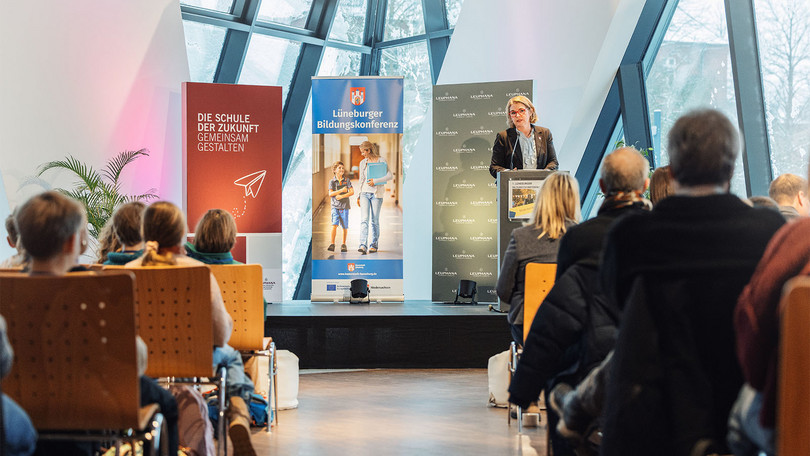
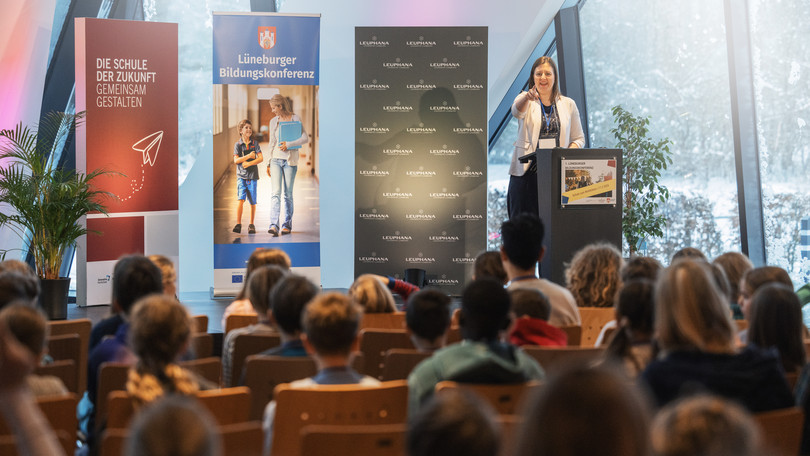
“There’s a lot happening in Lüneburg’s educational landscape right now: Next school year, all-day schooling will be introduced across the board at all Lüneburg primary schools. The joint school development process with the district has been initiated. The Education Pact 2040 is currently under political review,” said Lüneburg’s Mayor Claudia Kalisch in her welcoming remarks. “When it comes to education, we are all called upon to act, but especially the students. Today, they have a particularly prominent voice.” The Hanseatic city, in cooperation with the Leuphana Innovation Community School Development and Leadership, hosted the conference.
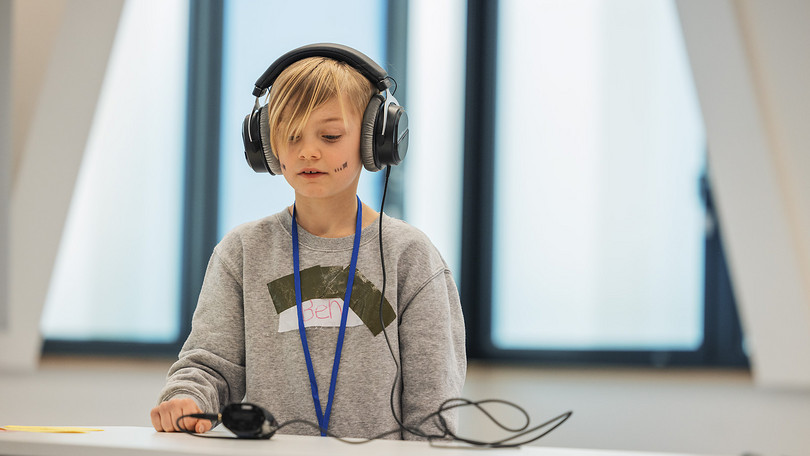
Around 80 children from the 3rd and 4th grades participated in workshops at the education conference, discussing topics on equal footing with adults and presenting their ideas. Delegations from St. Ursula School, Heiligengeist School, Hermann Löns School, as well as the Häcklingen, Im Roten Felde, and Am Sandberg primary schools took part. Prior to the conference, the students had already worked with university students to develop the key topics.
“I think it’s cool that I can have a say here,” says Ava, a primary school student from St. Ursula School. She would like a timetable that she can design herself and more opportunities to spend quiet breaks.
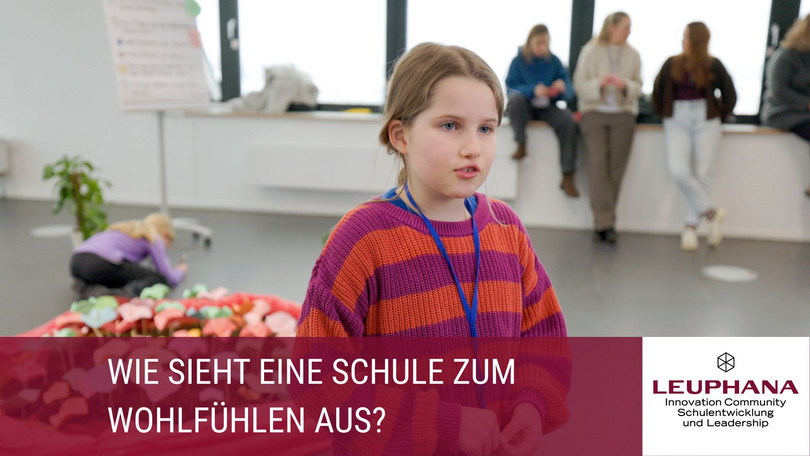
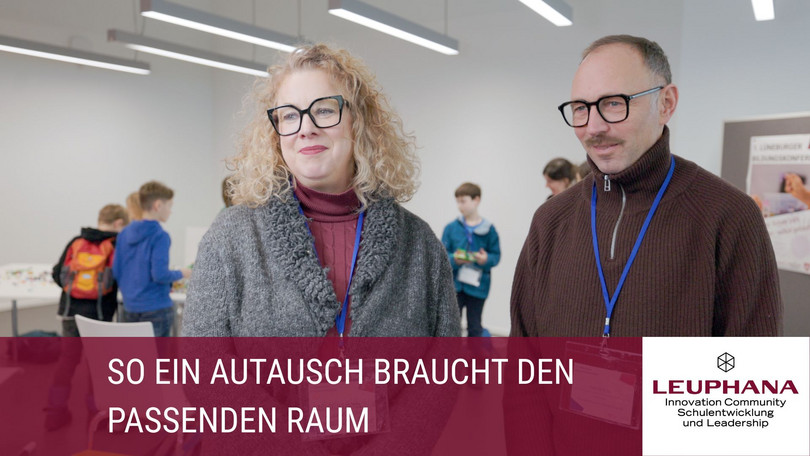
Teachers, school principals, school social workers, parent representatives, representatives from administration and politics, and other guests took the children's participation very seriously: They listened attentively and discussed the students' ideas.
"Children learn better when they feel safe, when they can have a say, and when school is understood as a place to live and learn. At the same time, we know that schools face many challenges," says Prof. Dr. Simone Abels, Vice President for Graduate School, Quality Development, and Teacher Education at Leuphana University Lüneburg. "Schools don't just change on their own. They change when people start talking to each other, listening to each other, and have the courage to try out ideas."
“Children learn better when they feel safe, when they can have a say, and when school is understood as a place to live and learn. At the same time, we know that schools face many challenges,” says Prof. Dr. Simone Abels, Vice President for Graduate School, Quality Development, and Teacher Education at Leuphana University Lüneburg. “Schools don't just change on their own. They change when people start talking to each other, listening to each other, and have the courage to try out ideas.” Ninja Müller, lecturer for the seminar "Education Conference with the Hanseatic City of Lüneburg" at Leuphana University, said: "This education conference is truly special because the elementary school students developed the topics and workshops together with the university students. We started with the children's needs and worked step by step with their suggestions. That's participation at its best!"
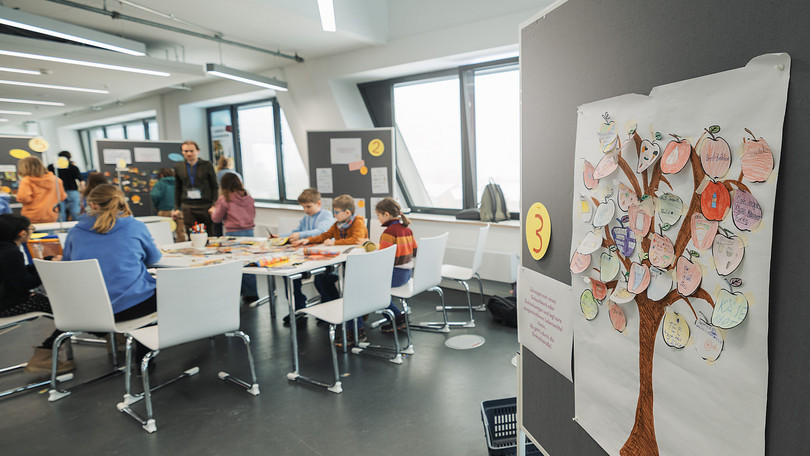
In a total of eight workshops, the children explored topics related to "School as a Living Space," "Food," "Social Interaction," and "Participation." Big dreams emerged, such as a swimming pool in the schoolyard or a conveyor belt for school backpacks. But quiet spaces, break rooms for bad weather, and sufficient, functioning restrooms were also noted on the bulletin boards.
Several students expressed a desire for a more flexible timetable that better reflects their interests, such as animal studies, cooking, sewing, or gaming. Remarkably, none of the children opted out of subjects like math and German entirely. Some even considered breaks unnecessary in subjects they enjoyed the most. Another major topic for the third and fourth graders was how they treated each other. Respect, listening to one another, helping each other, and being able to trust each other – these are all essential elements of a "school where you feel comfortable."
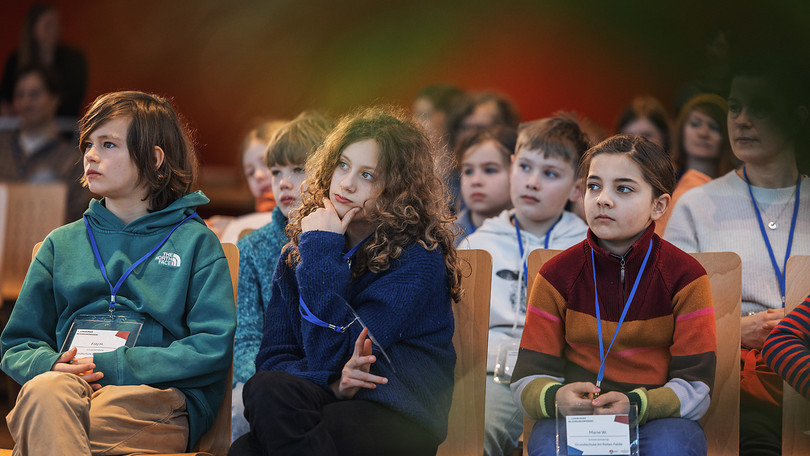
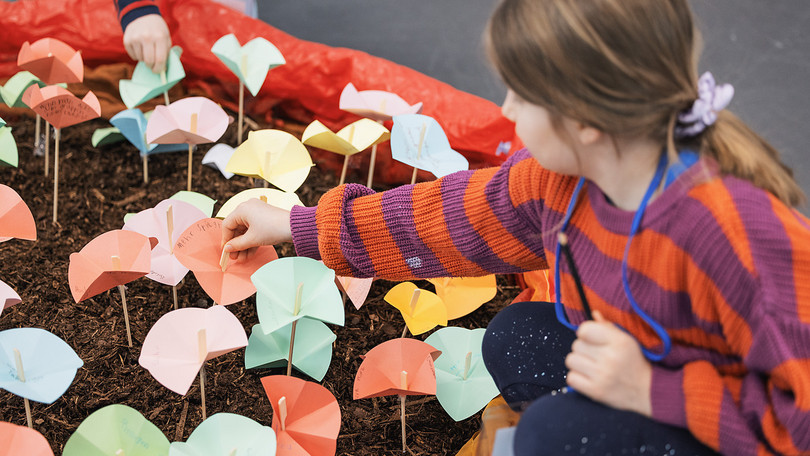
According to the report, adults aren't primarily taking away only the children's big, expensive wishes from the education conference. Some suggestions, such as how to interact with one another or how to streamline daily school routines, are free and can be quickly integrated into the school day.
"We adults are needed for implementation. But when children say what they need, they gain knowledge that adults simply can't possess—because we no longer experience school from the students' perspective. And this knowledge is invaluable for future decisions," concludes Claudia Kalisch. “I am very grateful to all the children who participated in this education conference for their ideas and their courage in expressing them.”
Presentation of Results
The findings from the workshops at the 1st Lüneburg Education Conference were subsequently analyzed by the city council and the Leuphana Innovation Community and compiled to serve as guidance for schools and the council. They have now been made available online on the website of Hansestadt Lüneburg. Furthermore, anyone interested can use the site to virtually relive and re-enact the event. Especially the participating children should be kept up to date so that they realize their voice carries weight.
Access the virtual education conference directly here. Simply log in as a guest and get started!
Background
The education conference is an outcome of the Lüneburg City Conference, which Mayor Claudia Kalisch convened in 2024 under the title "Education in Transition." At that time, it became clear that regular exchange among all stakeholders, from both theory and practice, is important and helpful for the needs-based development of schools.
In an interview, Head of Education Gabriele Scholz and Professor Dr. Marcus Pietsch revealed what they hope to achieve with the education conference.