
Training Provides Lasting Support for Entrepreneurs in Togo
2026-07-02 The innovative entrepreneurship training program developed by Prof. Dr. Michael Frese and his colleagues Prof. Dr. Mona Mensmann (University of Cologne) and Prof. Dr. Michael Gielnik (Leuphana) continues to show remarkable success even seven years after its implementation. The researchers received the Innovation Growth Lab Research Prize in the category “Best Experimental Paper for Potential Policy Impact” for their study. The award recognizes research that is not only scientifically compelling but also has the potential to influence policy decisions.
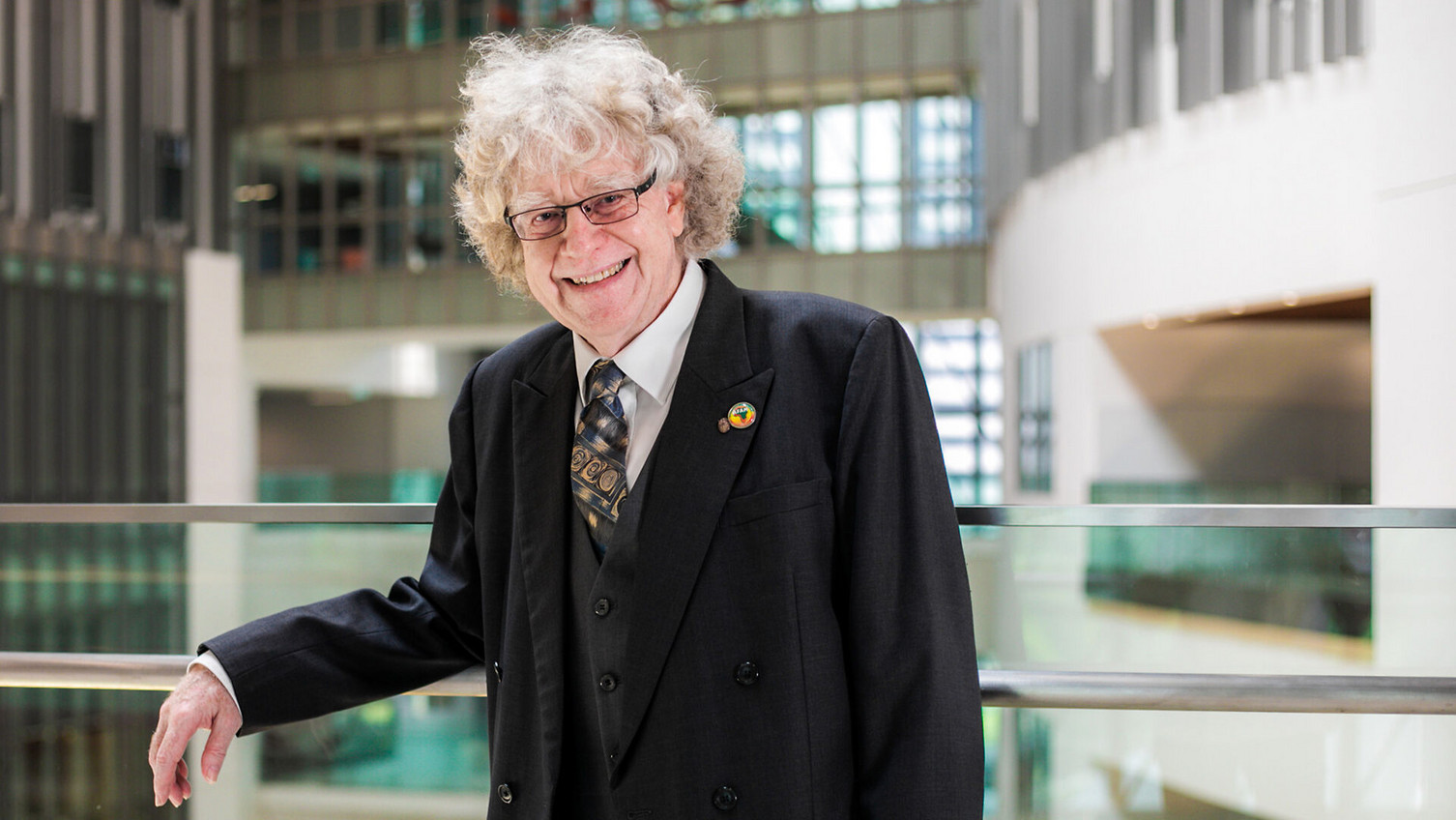
Thirty years ago, Prof. Dr. Michael Frese developed the Personnel Initiative Training program, which is now internationally renowned. Unlike other training programs, it does not teach business management knowledge: “Our participants learn to actively recognize opportunities, solve problems independently, and overcome setbacks,” explains the professor of psychology, specializing in innovation and entrepreneurship. Thus, the training program focuses precisely on what Michael Frese sees as the key to success: personal initiative and self-efficacy. In 2017, the randomized controlled trial was published in the renowned journal *Science*.
The latest follow-up to this study now confirms that the 32-hour training program continues to lead to higher profits, more investments, and greater business success even seven and a half years later: “This is an extraordinary long-term effect that we rarely see in entrepreneurship research,” he explains.
For the study, 1,500 small business owners in the Togolese capital of Lomé were randomly assigned to different training programs: one group received traditional management training, a second participated in the Personal Initiative Program, and a third received no training. The results show that the psychologically oriented training was significantly more effective in the long term than traditional training in accounting, marketing, or human resources management: After seven years, entrepreneurs who had completed the training earned an average of $91 more in profit per month than the comparison group. This corresponds to an increase of about 52 percent compared to the control group’s average.
Nevertheless, it was disappointing for Michael Frese: Women did not benefit from the training as hoped: “At first, we were still able to measure an increase. However, the long-term success seen among men did not materialize.” The researcher suspects differences in investment behavior: “Women are more likely to reinvest the profits they earn back into their families rather than into their businesses.”
The study concludes that targeted promotion of initiative and entrepreneurial thinking can have significant long-term economic effects . According to the authors’ calculations, the additional profits exceed the cost of the training many times over. The program could thus serve as a model for future support measures in developing and emerging economies.