
Exploring Ecological Transformation in the Altes Land Region — A Longitudinal Research Project (2024–2030)
2026-01-22 The Leuphana Centre for Organization & Social Transformation (LOST) is proud to highlight a new longitudinal research project taking place in the Altes Land Region, one of Europe’s most prominent fruit-producing landscapes. From 2024 through 2030, Dr. Laura Fey aims to understand how farmers, the research institution Esteburg, and nature interact in collaborative efforts to sustain agricultural productivity while responding to ecological and social pressures.
By Dr. Laura Fey
Why the Altes Land Region?
Located northwest of Lüneburg, the Altes Land is the second-largest fruit-producing area in Europe. Its orchards and farming communities offer a revelatory case for understanding how different actors co-create solutions to complex socio-ecological challenges. The project’s focus is on collaborative practices, how knowledge, resources, and responsibilities are shared among people and with non-human systems (e.g., land, weather, biodiversity).
Ongoing Longitudinal Data Collection (2024–2030)
This research project adopts a longitudinal, process-oriented approach, allowing us to trace how interactions unfold over time rather than capturing them solely at a single moment.
Our current data collection activities include:
Observations
- Regular visits to partner farms across the Altes Land
- Observations of daily operations, seasonal routines, and interactions
Interviews
- Semi-structured conversations with farmers, extension agents, and researchers
- Planned focus groups with local stakeholders to understand shared priorities
Archival Data
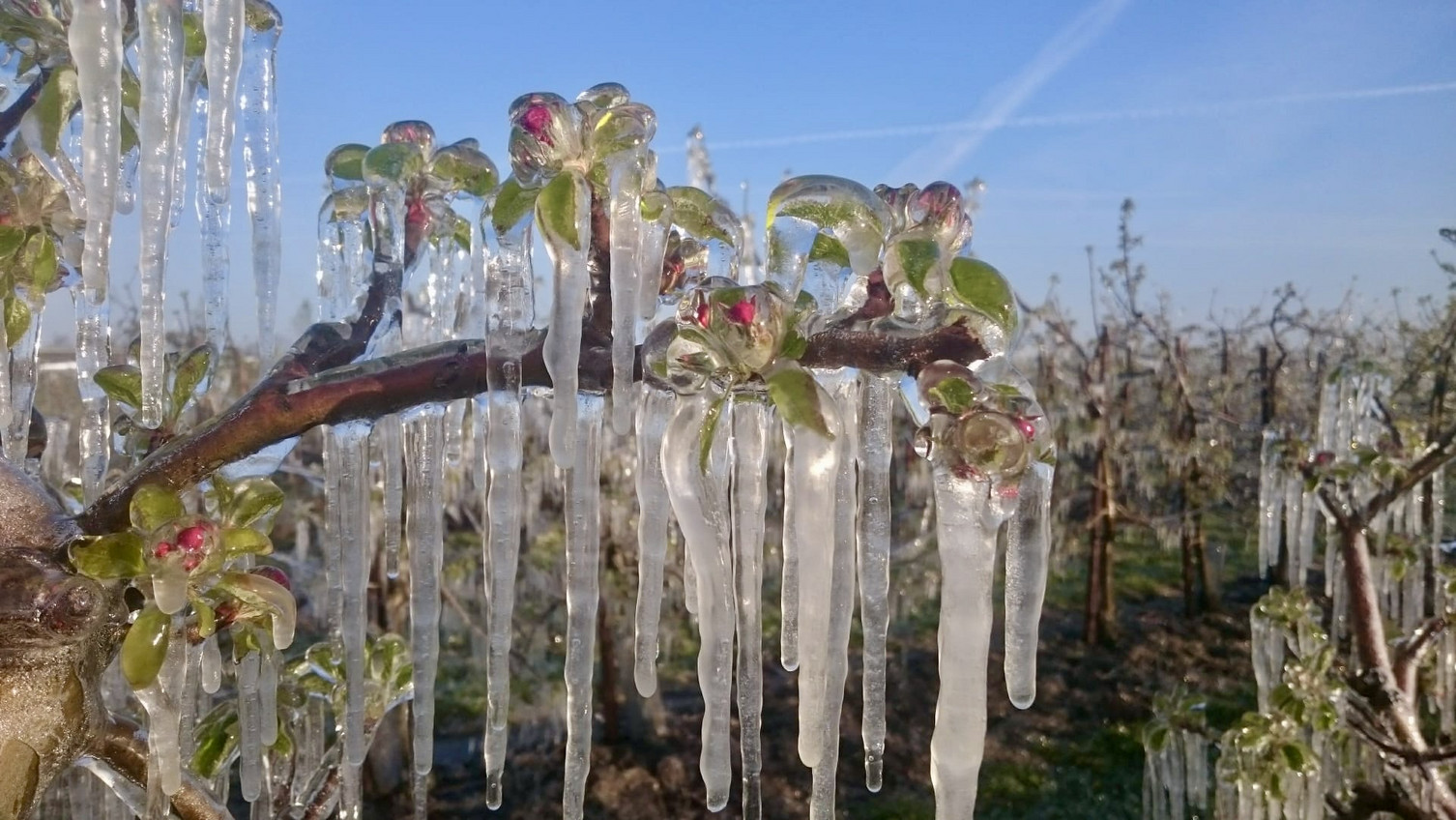
- Photojournaling of orchards through seasons
- Archival and policy documents related to regional agricultural support
These activities are ongoing and structured to capture temporal change, allowing analysis of how collaborations evolve across seasons, harvest cycles, and shifting environmental conditions.
Current Papers and Conference Activity
We are actively disseminating insights from the project and engaging with international academic communities. Current outputs include:
Conference Presentations
- Submitted to European Group for Organizational Studies (EGOS) Colloquium 2026: Developing multilevel resilience in an agroecosystem: A systems perspective, co-authored with Leonie Eising and Dr. Anna Stöber
- Accepted for presentation at the Wissenschaftliche Tagung des Verbandes der Hochschullehrerinnen und Hochschullehrer für Betriebswirtschaft e.V. (VHB) 2026: Nurturing local embeddedness: Understanding the role of history and place in the development of climate-resilient agricultural practices, co-authored with Prof. Dr. Elke Schüssler
We are looking forward to the constructive feedback from these scholarly communities, which will help to shape our analytical focus and deepen our engagement with participants in the field.
What’s Next?
The coming years will see continued data collection through 2030, with planned community workshops in 2026 and 2028 to share interim findings and explore collaborative pathways with regional stakeholders. We look forward to reporting more developments and insights from this project here on the LOST news page.