
What transformation research can learn from Karl Polanyi about current crises
2026-11-17
Karl Polanyi’s The Great Transformation tells the story of a polycrisis and examines the social consequences of capitalism as well as fascist tendencies in societies. In a workshop on November 3, 2026, researchers at Leuphana discussed the extent to which his analysis remains relevant today and how transformation research can engage in dialogue with Polanyi.
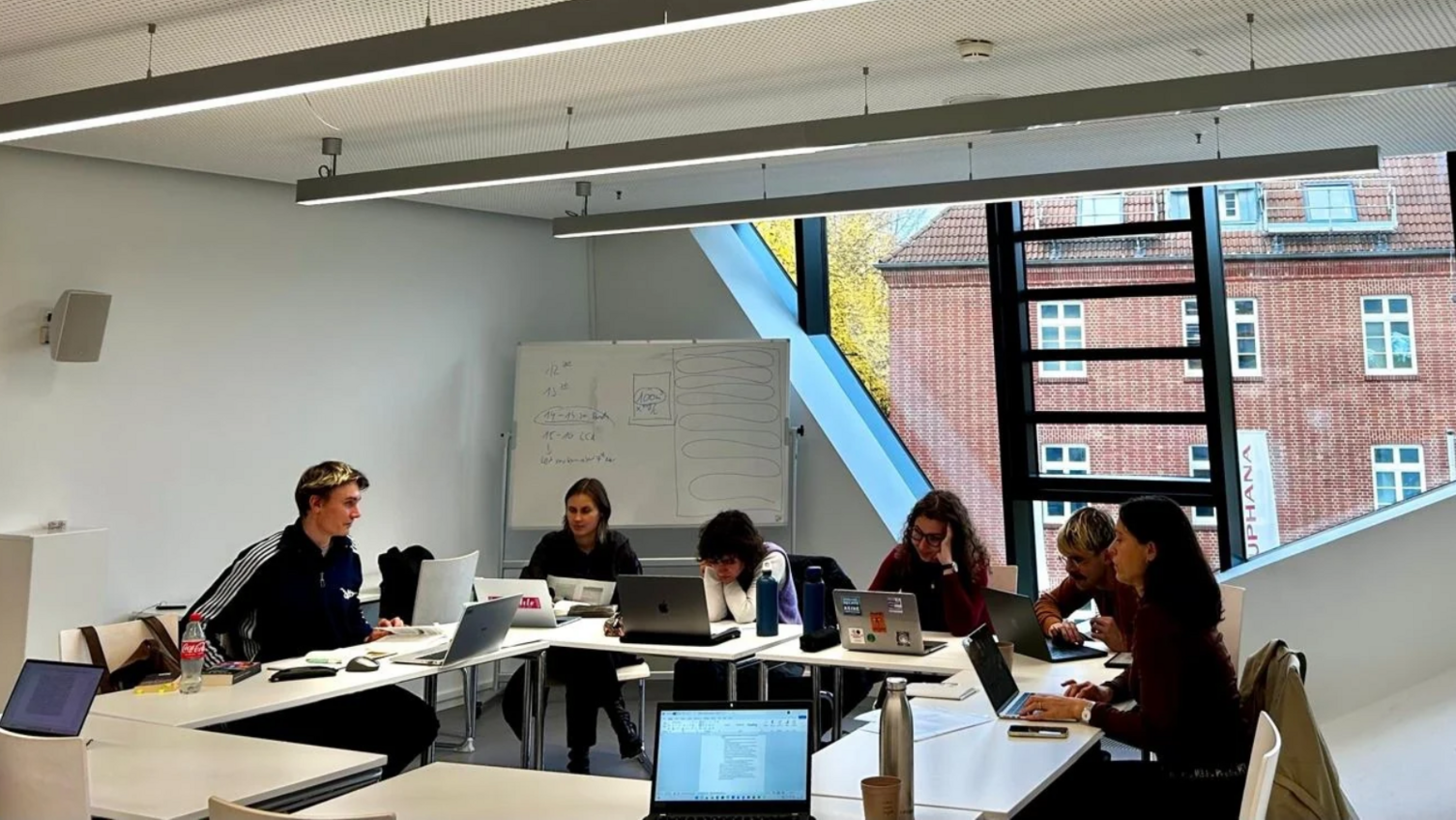
Karl Polanyi’s book The Great Transformation can be understood as a diagnosis of a polycrisis. In his 1944 analysis, Polanyi describes 20th-century capitalist economic systems as drivers of deregulation and institutional erosion, which create a breeding ground for fascism. Even today, fascist parties and movements are gaining strength in a hyperglobalized world, making Polanyi’s work seem up-to-date and relevant once again.
In a lively discussion, researchers from various disciplines analyzed excerpts from The Great Transformation as well as political writings by Polanyi. He describes how deregulated capitalism leads to increasingly precarious living conditions and inequality in society. According to Polanyi, the inability of political actors to take action during economic crises, combined with the focus on safeguarding private property, almost inevitably leads to fascism. The question is: what other transformative solutions can be used to address an economic crisis?
What is needed here are counter-movements to fascism that offer alternative responses to the polycrisis. In the workshop, participants explored how transformation research can contribute to social, political, economic, and legal visions that can strengthen anti-fascist counter-movements and solidarity.
The workshop is part of the Embracing Transformation program, in which researchers at various career stages and from different disciplines collaborate to examine processes of social transformation. The event was organized and led by Dr. Henrike Kohpeiß (Postdoctoral researcher at the Leuphana Transformation Lab) and Lennart Bade (Doctoral researcher in the key subject area “Democratic Resilience”). Prof. Dr. Elke Schüßler, speaker for the key subject area “Organizing in Times of Crisis,” participated in the workshop as a guest expert.