Democracy between crisis management and sustainability
Key Subject Area “Democratic Resilience: Democracy’s Sustainability in the Global Polycrisis Era”
Democracies find themselves in a polycrisis consisting of climate change, geopolitical and economic upheavals, and a loss of trust. The legitimacy of liberal democracy is increasingly under pressure. Our key subject area examines how democratic systems worldwide can address these challenges in the short and long term. With this goal in mind, we focus on democratic transformations that successfully combine resilience with future viability.
Our Goal
Democracies facilitate a life of freedom and collective self-determination. Therefore, our goal is to develop theoretically and empirically grounded transformation knowledge on the sustainability of democratic systems in the era of the global polycrisis. We investigate how democracies can develop self-transformative capacities—not only to reactively manage crises in the short term, but also to renew themselves in such a way that they can actively, democratically, fairly, and effectively address long-term developments. On the path toward sustainable democracy, we aim to dynamically develop the capacities of democratic resilience at all levels such that the political, ecological, economic, legal, psychological, and societal conditions of democratic agency can be maintained in the short term and continuously safeguarded and shaped in the long term.
The Challenge
Democracies are simultaneously challenged internally and externally: by the climate crisis, hybrid threats in the security and information space, a loss of trust in democratic institutions, rising authoritarianism, and the partially disruptive transformation of the global order. The polycrisis challenges both the performance and legitimacy of democracy, thereby amplifying the tension between short-term and long-term orientation: Short-term gains in effectiveness and legitimacy aimed at stabilizing democracy may amount to a Pyrrhic victory if they are not sustainable in the long run and undermine future democratic freedom of action. We therefore ask: What are democratic structures and conditions that can simultaneously promote stability-oriented resilience and future-oriented sustainability?
Our Approach
We conduct theory-driven empirical research that combines theories, methods, and insights from various disciplines. Through the interdisciplinary integration of political science, economics, law, sustainability research, psychology, and educational research, we can comprehensively and comparatively analyze the conditions that are necessary for a resilient and sustainable democracy on a global scale. To this end, we examine all sociopolitical levels, ranging from individuals to institutions to international relations, while also drawing on the full spectrum of qualitative and quantitative methods of social sciences as well as legal studies.
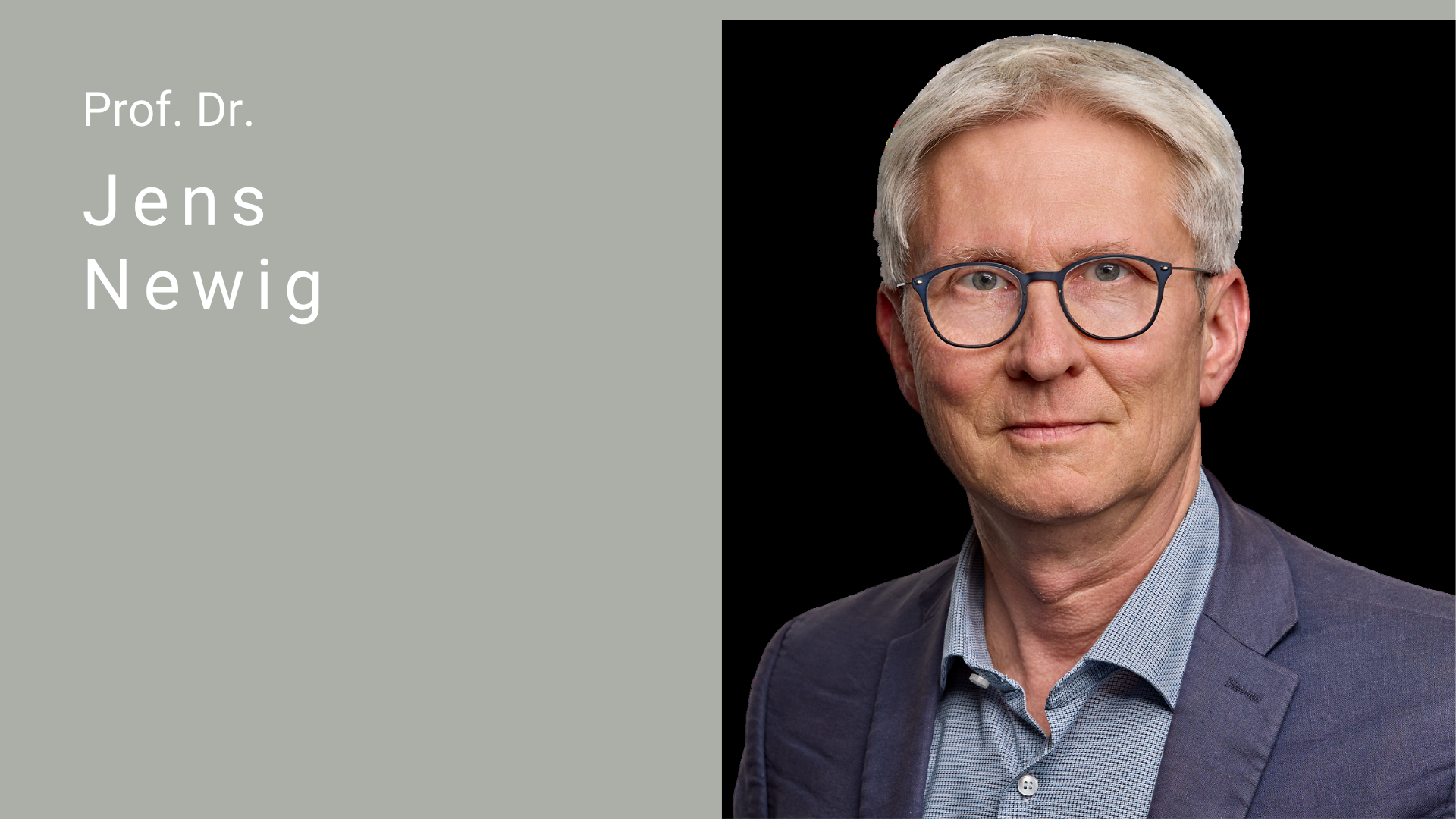
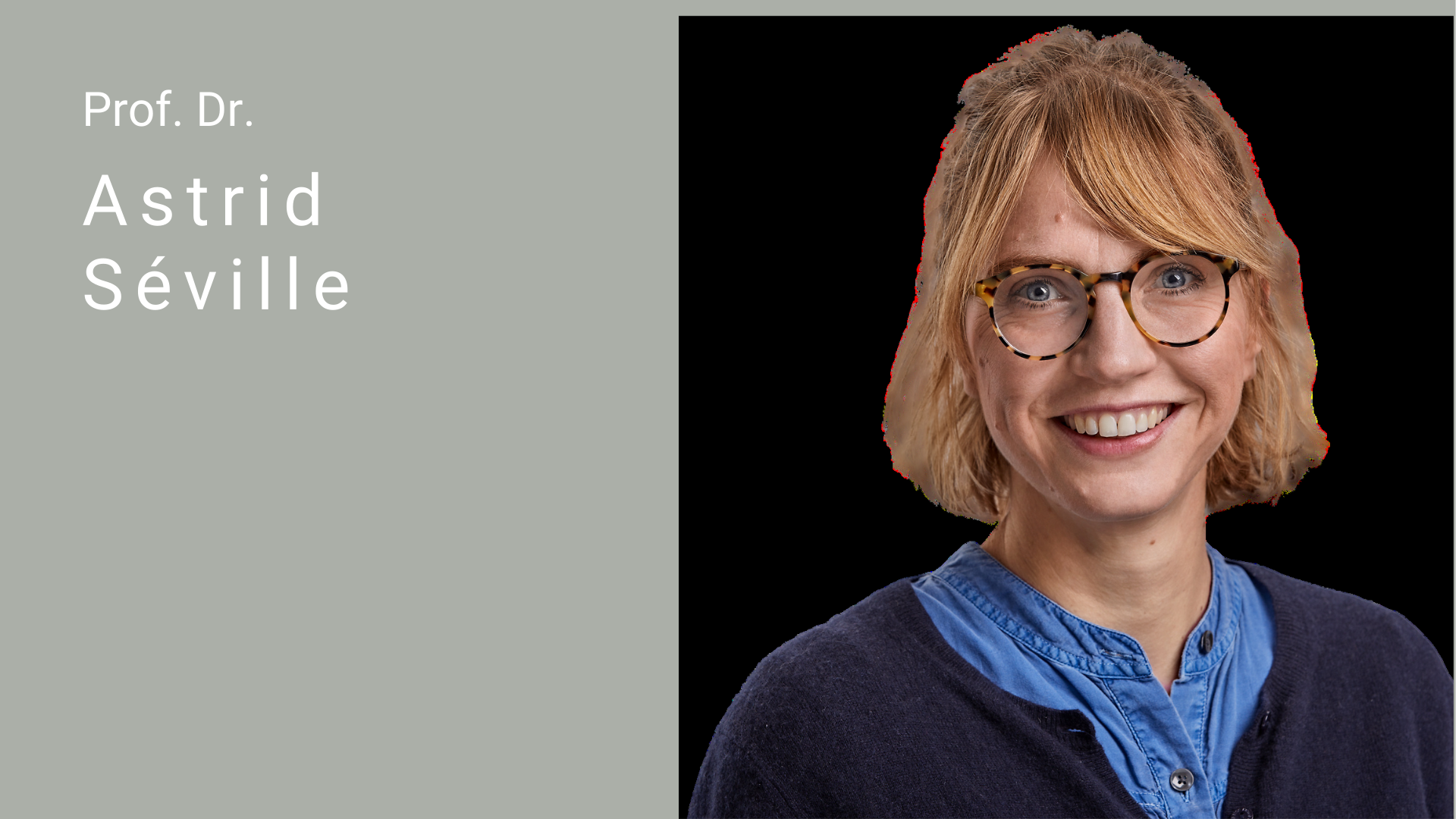
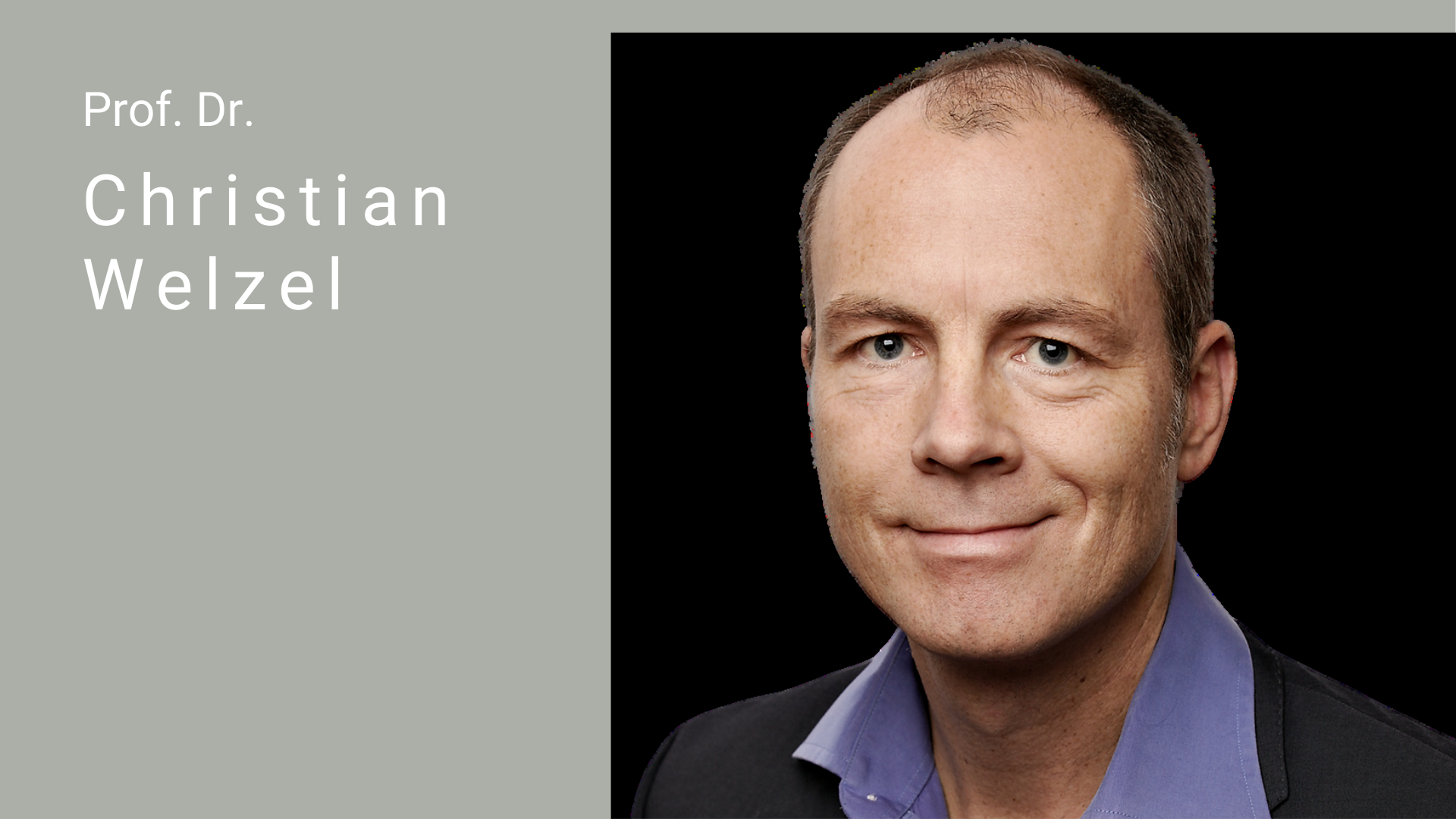
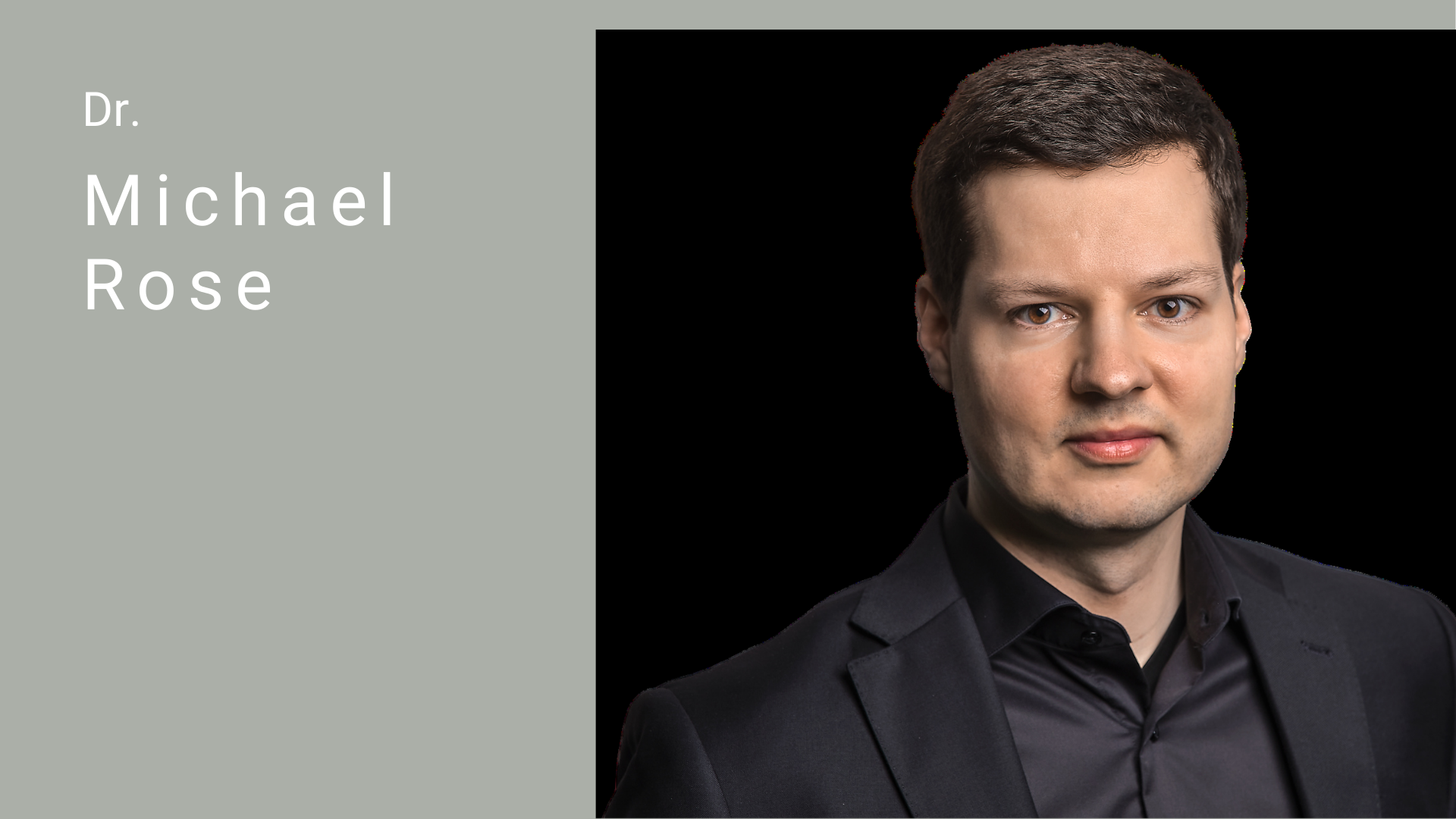

Affiliated researchers
In addition, Prof. Dr. Johanna Croon-Gestefeld, Prof. Dr. Sarah Engler, Prof. Dr. Julia Grauvogel, Prof. Dr. Ulf Hahnel, Prof. Dr. Lukas Hakelberg, Prof. Dr. Axel Halfmeier, Prof. Dr. Harald Hantke, Prof. Dr. Boris Hirsch, Prof. Dr. Michael Koß, Prof. Dr. Tobias Lenz, Prof. Dr. Mario Mechtel, Prof. Dr. Christian Pfeifer, Prof. Dr. Thomas Richter, Prof. Dr. Valentin Schatz, Prof. Dr. Birte Siem, Prof. Dr. Alexander Stark and Prof. Dr. Natascha Zaun take part as associated researchers and doctoral supervisors.
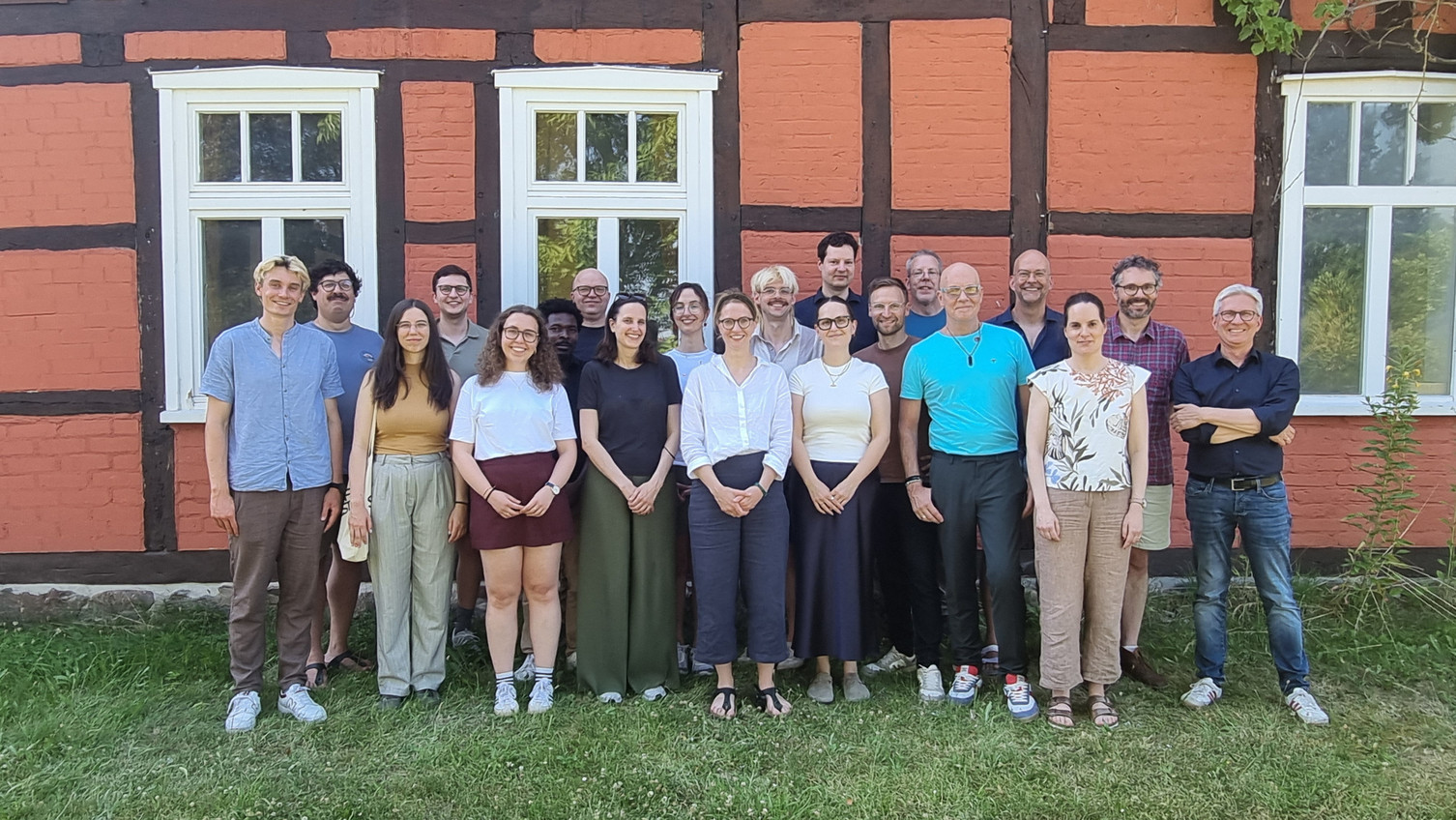
The doctoral researchers in the key subject area include Ana Maria Acatrinei, Elif Laçin Aytaç, Lennart Bade, Sofie Therese Halfmann-Benecke, Maria Elena Dietz Romero, Samuel Gausi, Anja Schöll, Milan Schröder, Luca Lambers, Hannes Masurek, Elisa Petzoldt and Paula Rubertus, who are also participating in the “Embracing Transformation” doctoral program.
Researchers from the School of Public Affairs and the School of Sustainability are active in the key subject area Democratic Resilience. They work closely with their colleagues from the Center for the Study of Democracy (CSD) and the Leuphana Center for Cooperative Security (LCCS).
The key subject area is part of the Embracing Transformation program, which is funded by the Strategic Development of Potential initiative of the Lower Saxony Ministry of Science and Culture (MWK) and the Volkswagen Foundation.