Un/Decisive Entanglements: A photographic exploration of space, repetition and urban change

2026-06-02 Who says that research findings always have to result in an academic article? LIAS alumnus Gary Hussey has transformed his LIAS Fellowship into an online exhibition and essayistic reflection on the material and affective legacies of state socialism in contemporary Budapest with the launch of the project website un/Decisive Entanglements.
©Gary Hussey
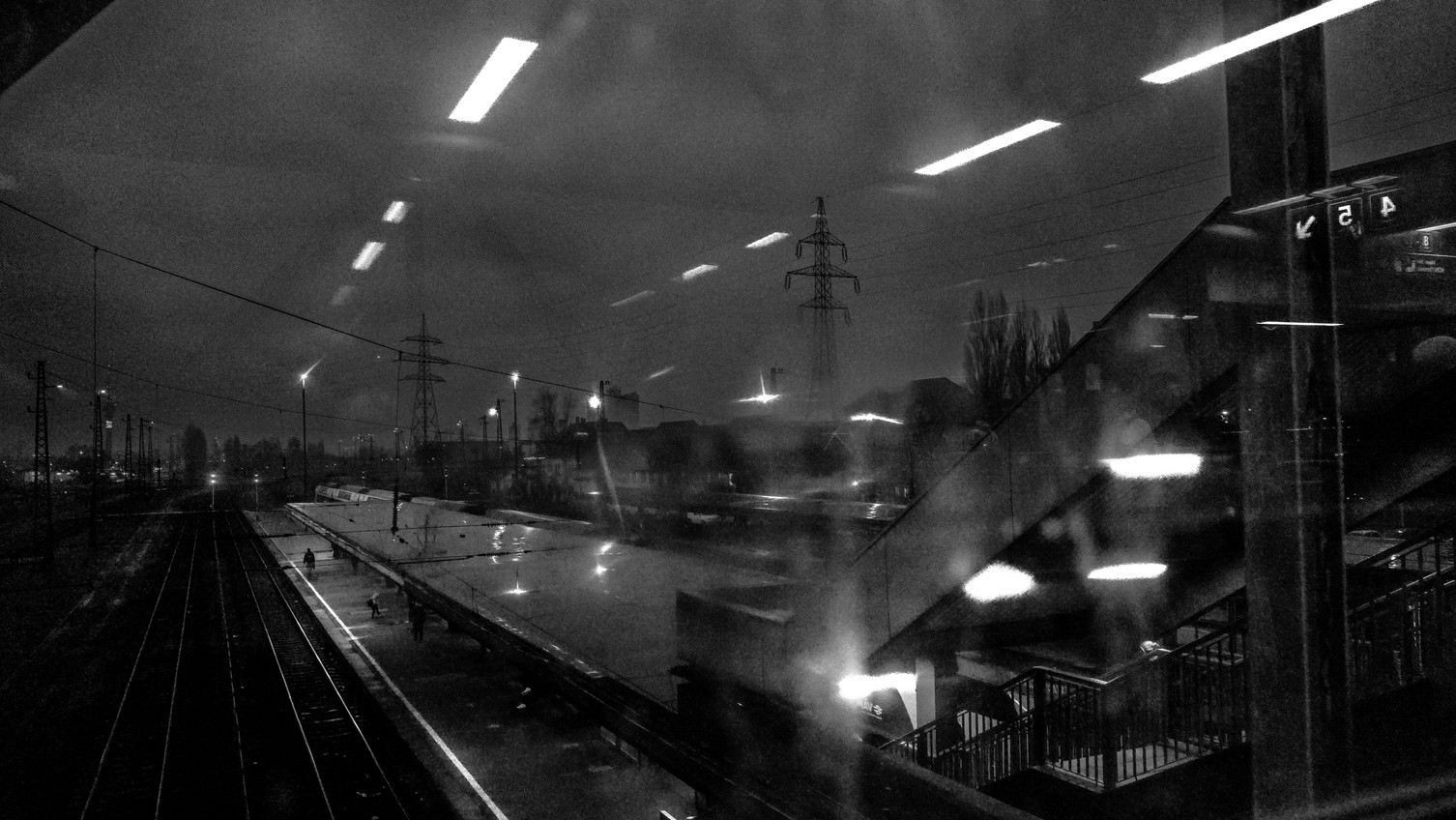
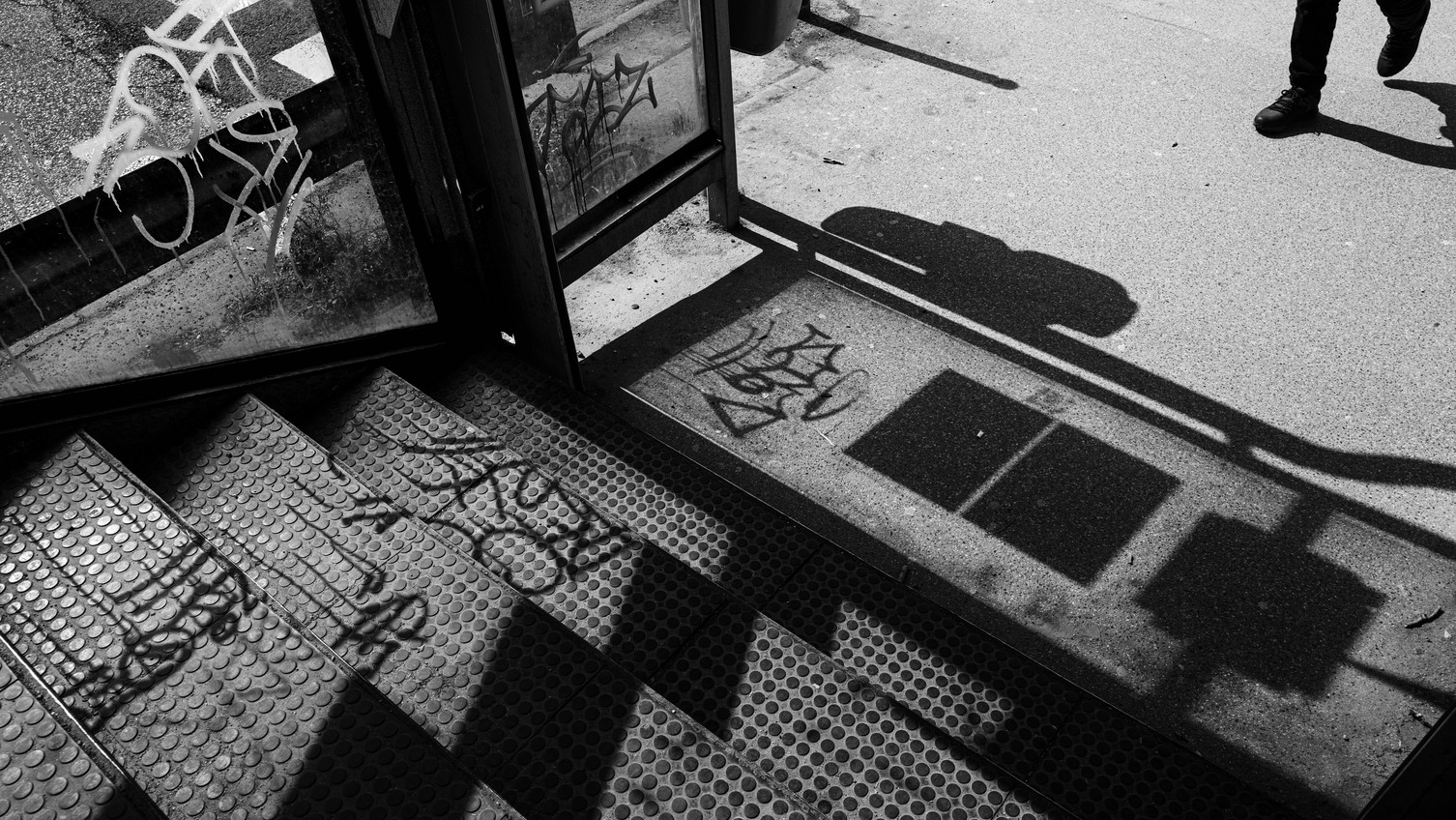
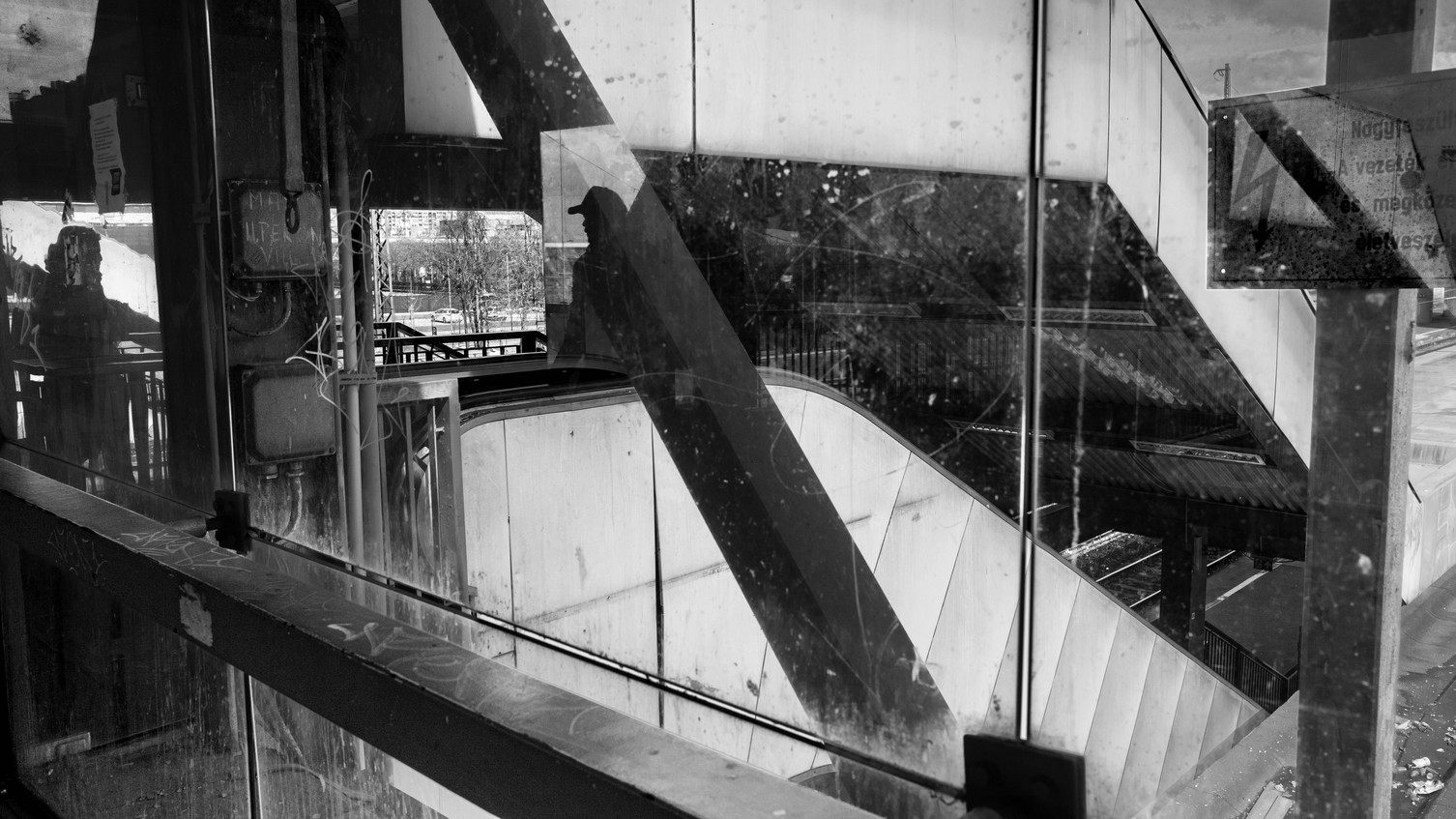
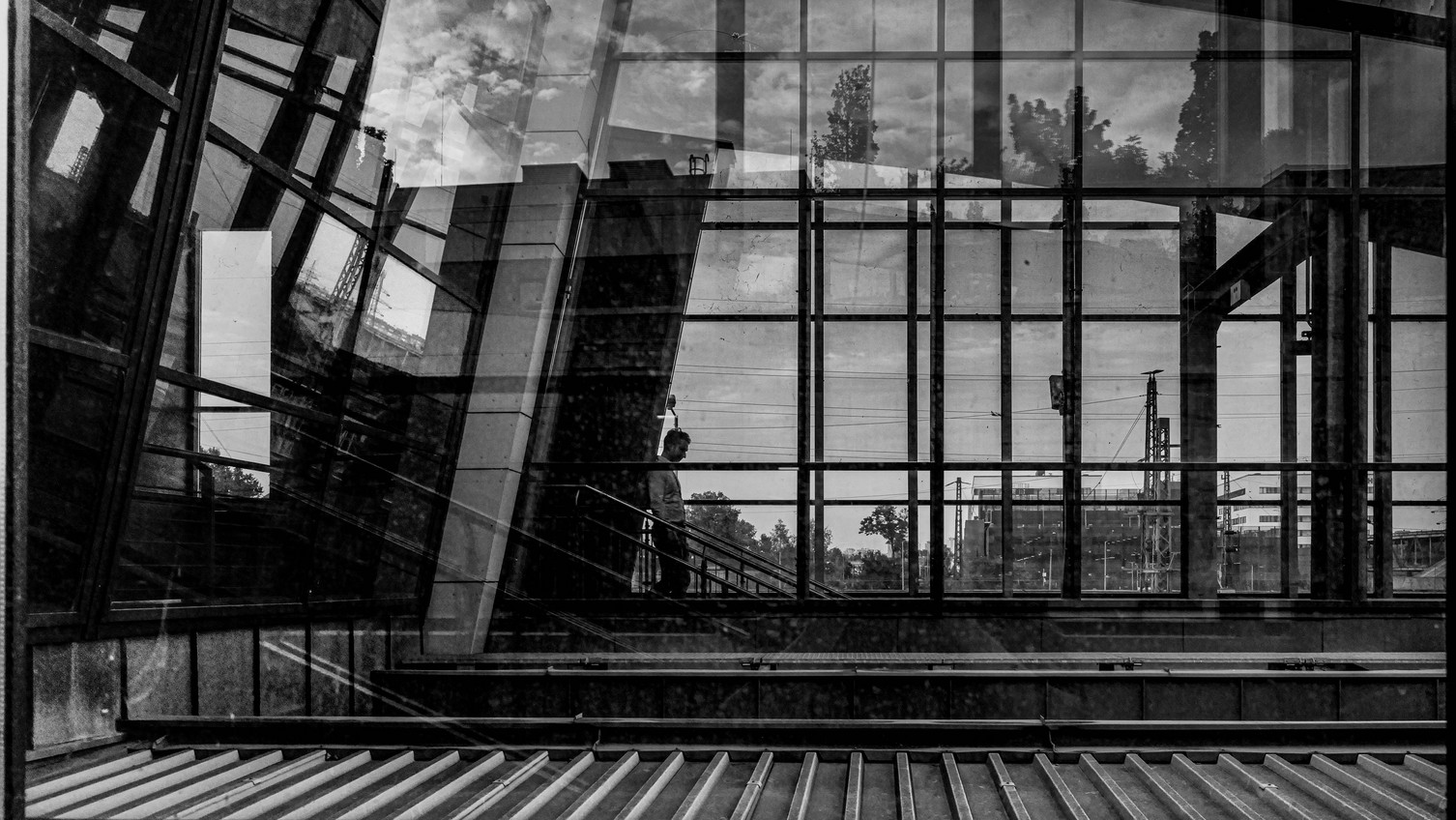
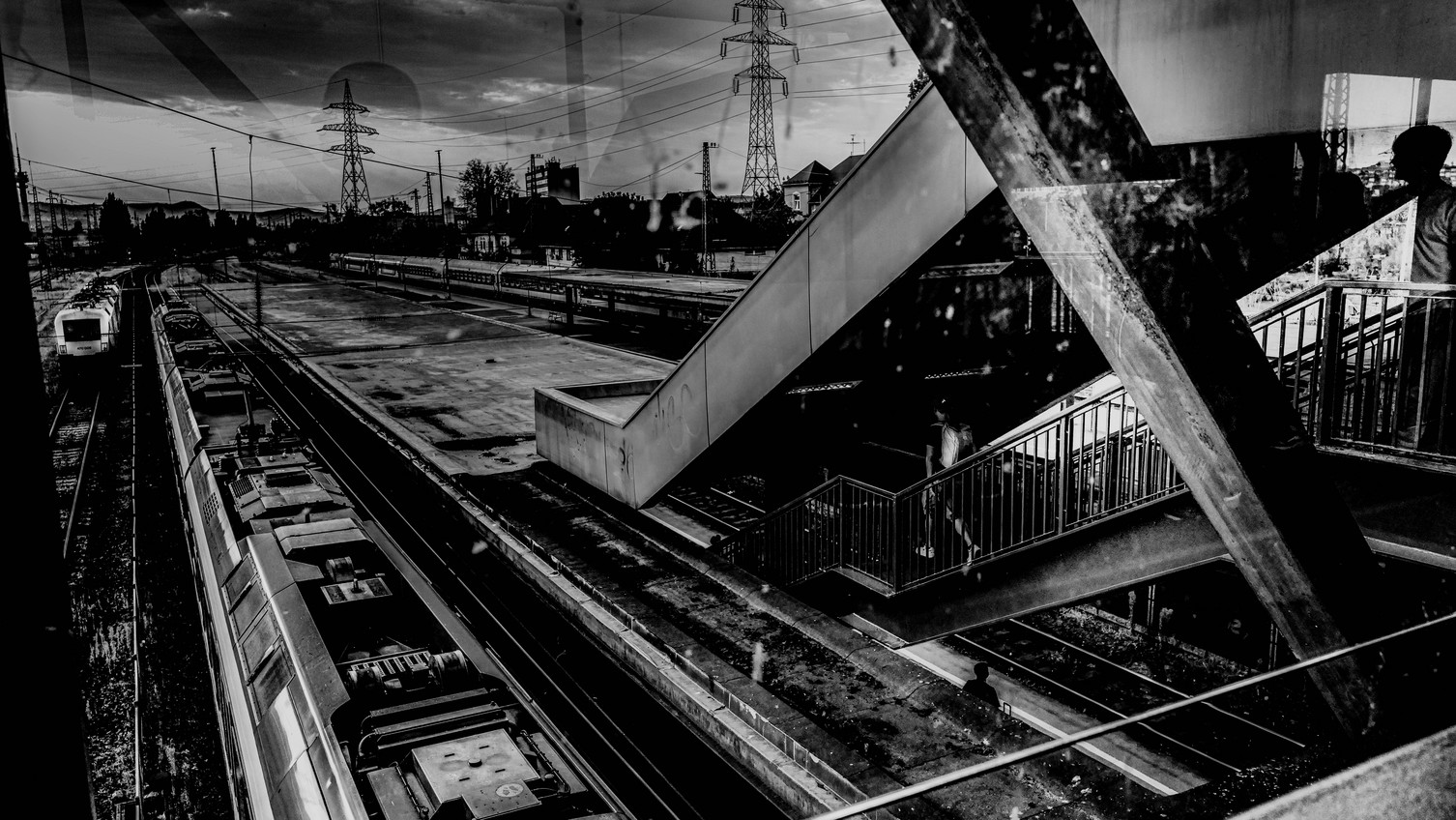
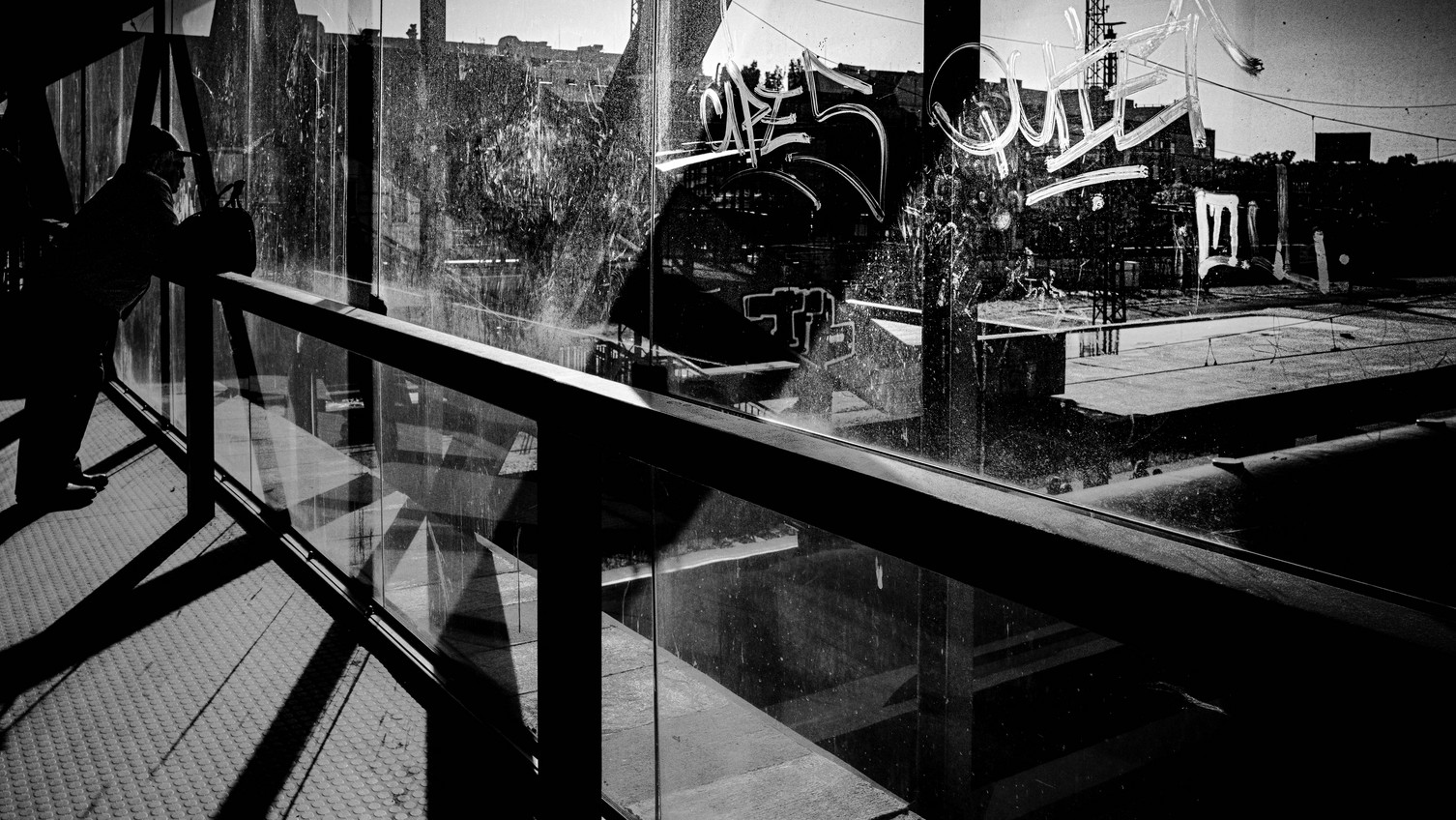
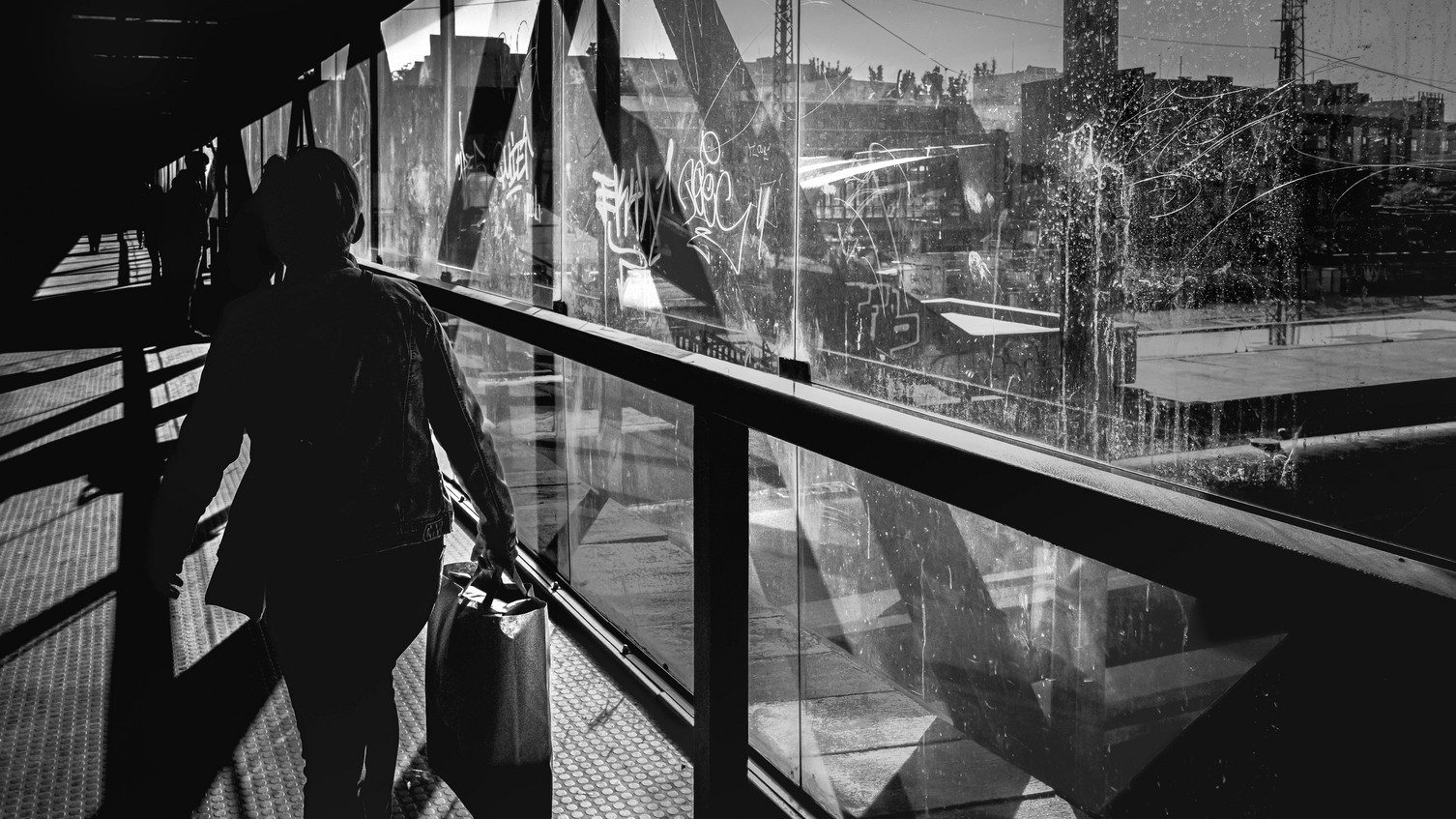
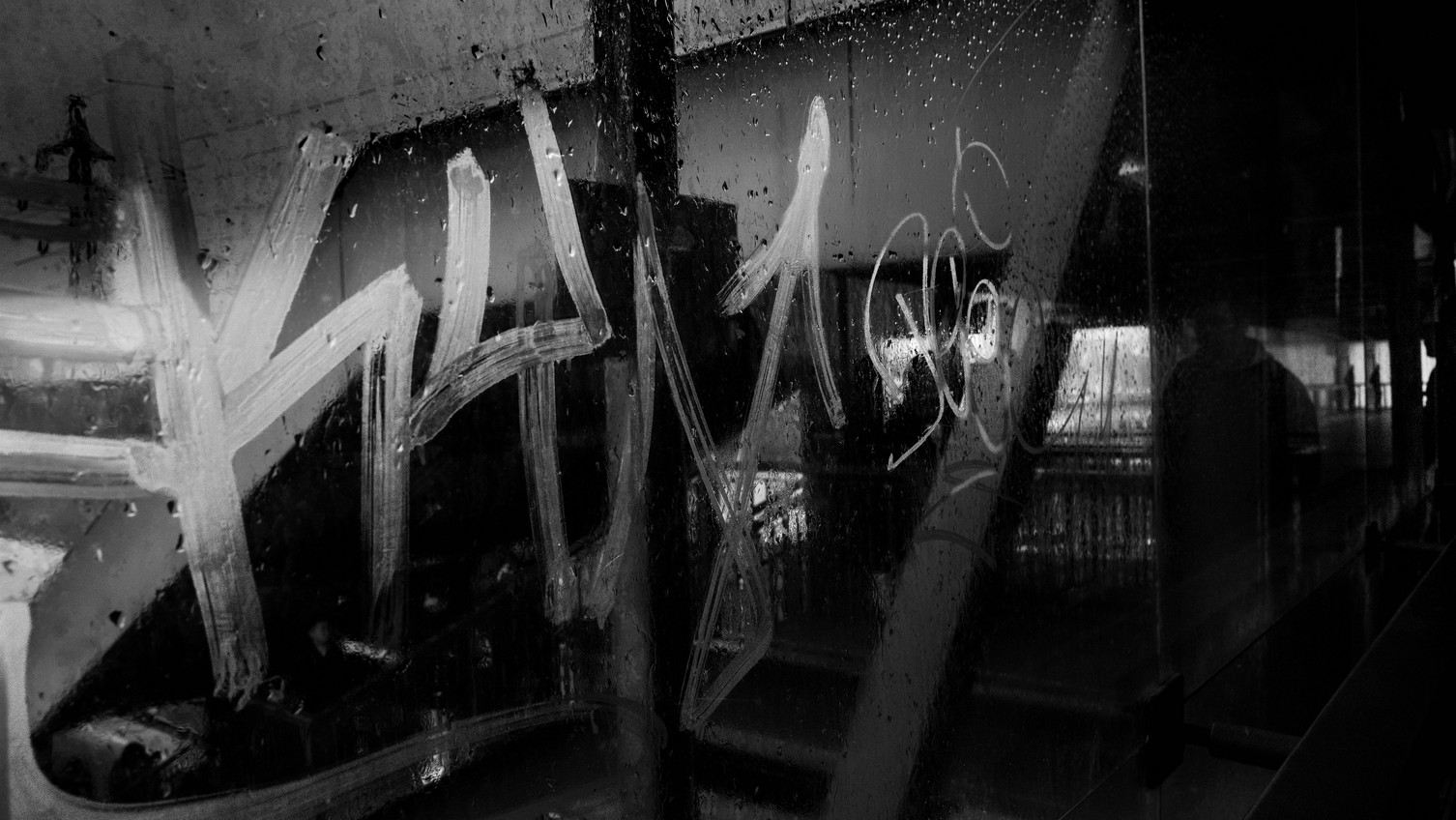
The photo series by LIAS alumnus Gary Hussey forms part of the ongoing, research-based visual project Monochromatic Intensities. The eleven photographs take the viewer on a tour of the Kőbánya-Kispest underground and railway station in Budapest, focusing in particular on a covered footbridge dating from the socialist era.
©Gary Hussey
The photo series by LIAS alumnus Gary Hussey forms part of the ongoing, research-based visual project Monochromatic Intensities. The eleven photographs take the viewer on a tour of the Kőbánya-Kispest underground and railway station in Budapest, focusing in particular on a covered footbridge dating from the socialist era.
©Gary Hussey
The photo series by LIAS alumnus Gary Hussey forms part of the ongoing, research-based visual project Monochromatic Intensities. The eleven photographs take the viewer on a tour of the Kőbánya-Kispest underground and railway station in Budapest, focusing in particular on a covered footbridge dating from the socialist era.
©Gary Hussey
The photo series by LIAS alumnus Gary Hussey forms part of the ongoing, research-based visual project Monochromatic Intensities. The eleven photographs take the viewer on a tour of the Kőbánya-Kispest underground and railway station in Budapest, focusing in particular on a covered footbridge dating from the socialist era.
©Gary Hussey
The photo series by LIAS alumnus Gary Hussey forms part of the ongoing, research-based visual project Monochromatic Intensities. The eleven photographs take the viewer on a tour of the Kőbánya-Kispest underground and railway station in Budapest, focusing in particular on a covered footbridge dating from the socialist era.
©Gary Hussey
The photo series by LIAS alumnus Gary Hussey forms part of the ongoing, research-based visual project Monochromatic Intensities. The eleven photographs take the viewer on a tour of the Kőbánya-Kispest underground and railway station in Budapest, focusing in particular on a covered footbridge dating from the socialist era.
©Gary Hussey
The photo series by LIAS alumnus Gary Hussey forms part of the ongoing, research-based visual project Monochromatic Intensities. The eleven photographs take the viewer on a tour of the Kőbánya-Kispest underground and railway station in Budapest, focusing in particular on a covered footbridge dating from the socialist era.
©Gary Hussey
The photo series by LIAS alumnus Gary Hussey forms part of the ongoing, research-based visual project Monochromatic Intensities. The eleven photographs take the viewer on a tour of the Kőbánya-Kispest underground and railway station in Budapest, focusing in particular on a covered footbridge dating from the socialist era.

At its heart are photographs of the transport infrastructure around the Kőbánya-Kispest terminus of the M3 line, which reveal everyday spaces of transition, repetition and social tension.

The project ties in directly with his research project “Spatialising Antagonism: The materialities of political (de)polarisation in contemporary Budapest, Hungary” and further develops two central conceptual perspectives. Firstly, it examines space not as a static backdrop, but as a politically produced and contested materiality. “I wanted the photographed infrastructures to appear as places where social transformations – from state socialism to neoliberal capitalism – are indeed deposited but are continually reconfigured through everyday practices, movements and uses,” says Gary Hussey of his project. At the same time, he documents how the political order is reproduced, interrupted or disrupted by the repetition of everyday life, as a metro station can reveal. “Politics,” says Hussey, “does not always take place solely in spectacular political events.”

The photo series deliberately distances itself from the “decisive moment” that so often seeks to capture attention on social media. The photographs represent, rather, an open investigation of processuality, immanence and interconnection. People, shadows, metal structures, reflections, dirt and graffiti enter into a non-hierarchical relationship with one another and generate a visual language that resists unambiguous interpretations. It is precisely through this that the work opens up access to the sensory and material dimensions of the political, which often elude discursive analysis. That, too, is research.

Enquiries and Contact:

  • Dr. Christine Kramer