
“Blind Spots”: AI, Digital Aesthetics and the Limits of Algorithmic Images
2026-10-19 The workshop “Blind Spots”, led by LIAS Senior Fellow Gertrud Koch (Freie Universität Berlin, Leuphana University Lüneburg), explored how artificial intelligence and algorithmic image production are changing our perception of the world. Four contributions from art, film and media theory offered different perspectives on digital aesthetics, technological imaging processes and the societal implications of generative AI.
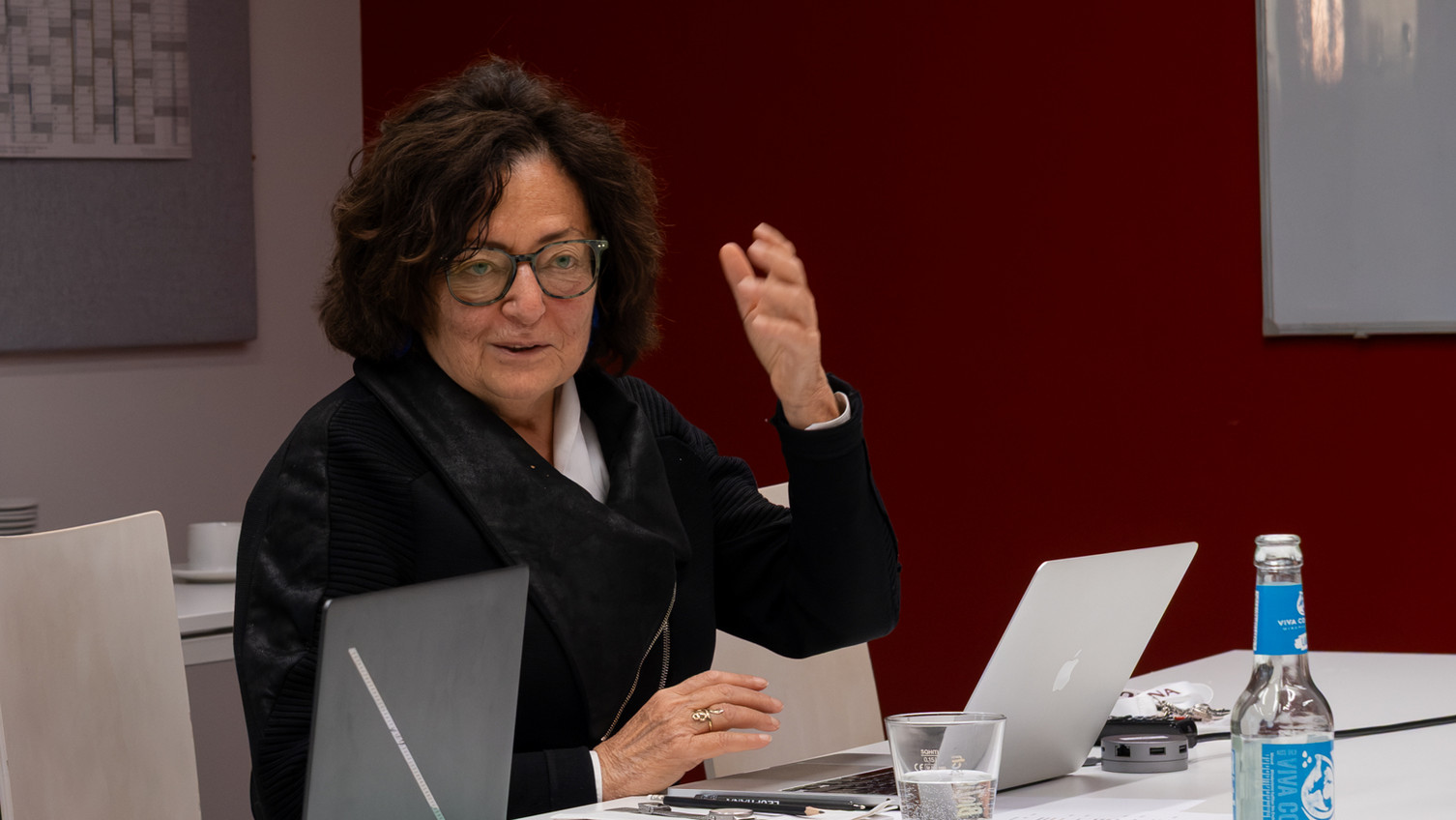
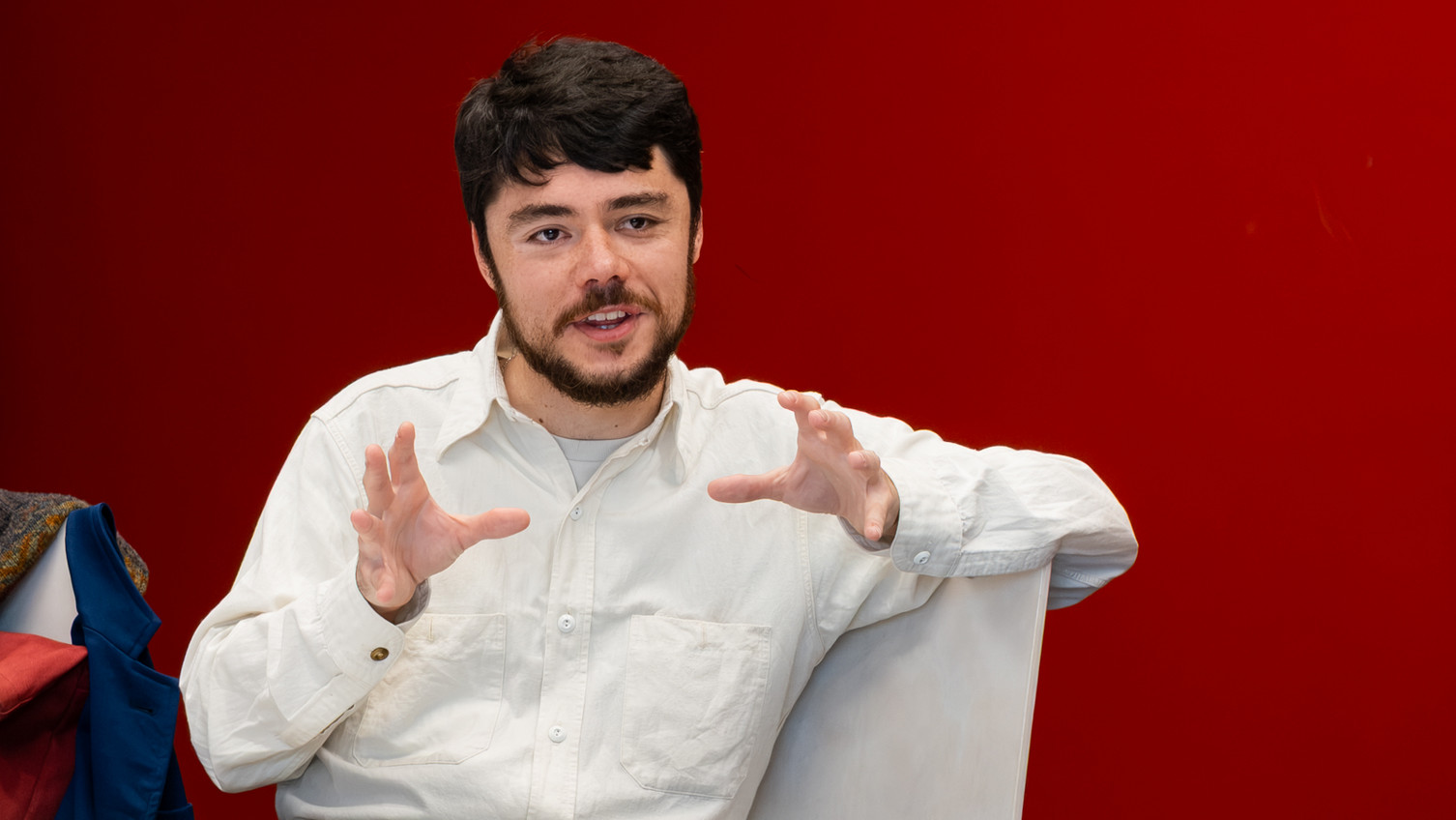
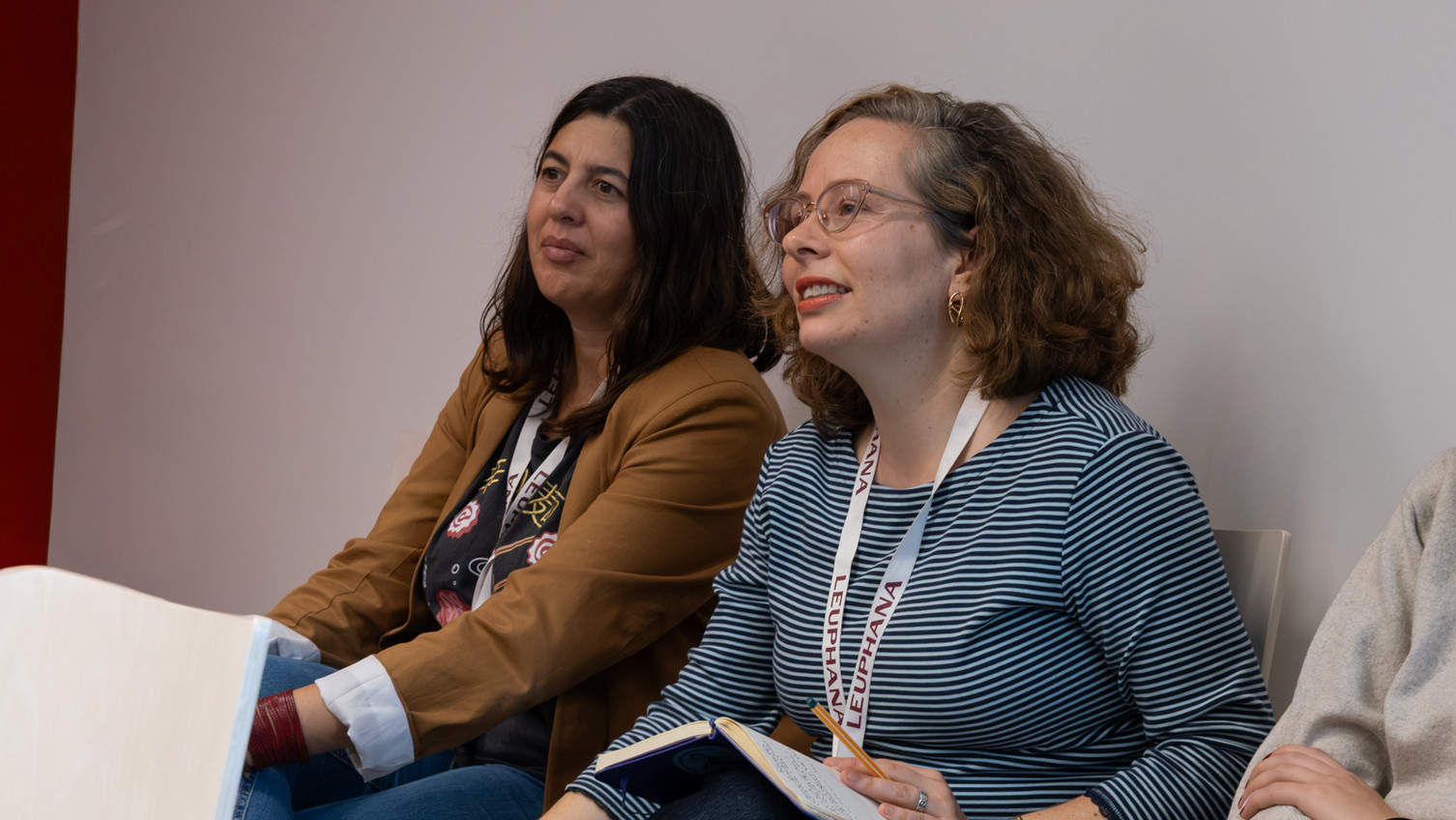
In her contribution, “Unlearning Machine Learning”, Katja Müller-Helle (Humboldt University of Berlin) examined the creative potential of glitches and inaccuracies. Drawing on glitch art and generative imaging techniques, she explored how the black box of machine learning can be critically questioned. Noise can open up new aesthetic spaces, enabling artists to experiment with technological systems and make their underlying processes visible.
Christa Blümlinger (Université 8 des créations, Paris) focused on the relationship between film, algorithmic image production and the invisible. Drawing on film history and documentary practices like Boris Kaufmanns Les Halles (1927), she examined how technological images structure our understanding of reality. Using Clemens von Wedemeyer’s work 70.001 as an example, she showed how computer-generated representations of crowds allow individual stories and differences to recede in favour of schematic repetition. Her contribution highlighted the importance of recognising the blind spots of algorithmic visibility.
In her contribution, “When and What Is Digital Aesthetics?”, Gertrud Koch explored the conditions of digital aesthetics. The focus was on the relationships between the body, perception and technology. Through examples from animation, motion capture and multimedia art, she examined how human and technological actors jointly produce aesthetic experiences. Digital aesthetics opens up new forms of perception and transforms the relationship between embodied experience and technological representation.
Barnabé Sauvage (CNRS, Paris) used the project “Holy Slop” to analyse AI-generated propaganda images in the context of colonial visual traditions and political fantasies. Drawing on depictions of a Gaza Strip transformed into a tourist destination, he demonstrated how generative images can reproduce and reinforce existing power structures and ideological assumptions. The installation brings together art history, media theory and critical AI studies, highlighting the political dimensions of algorithmic image production.
The workshop connected with LIAS’s research programme by examining the interplay between technological developments, cultural practices and social structures. The contributions demonstrated that AI and algorithmic image production raise questions that extend beyond technology itself, concerning the conditions of knowledge and perception as well as the representation of bodies, communities and political realities. The perspectives offered by art, film and media theory provided an interdisciplinary approach to the cultural foundations and societal consequences of digital technologies. The discussions also illustrated how different research approaches can help identify the blind spots of algorithmic systems and assess their significance for contemporary forms of knowledge production and the ways in which we interpret the world.