
Research
We aim to understand how transformations towards a sustainable and just future are enacted, activated, scaled and amplified. We do so by building situated knowledge in different social-ecological systems, such as the the Biodiversity Exploratories sites in Germany -i.e. the Schwäbische Alb, the Hainich-Dün region and the Schorfheide-Chorin biosphere reserve-, the border region between Spain and Portugal, and the Kilimanjaro social-ecological system in Tanzania.
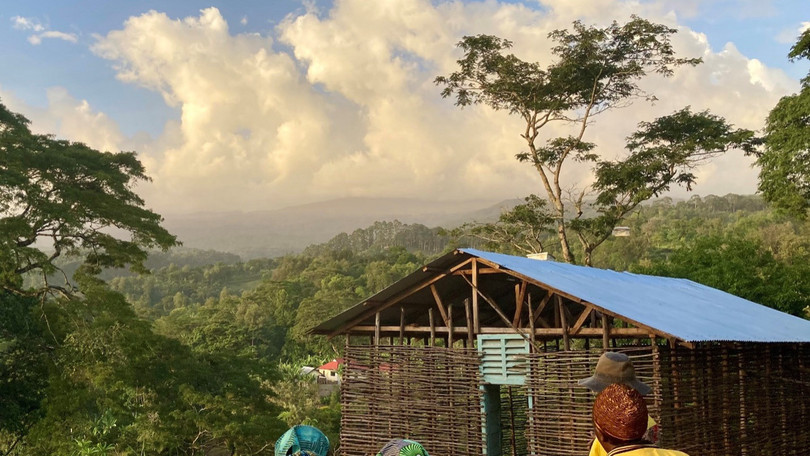 ©Milena Gross/Leuphana
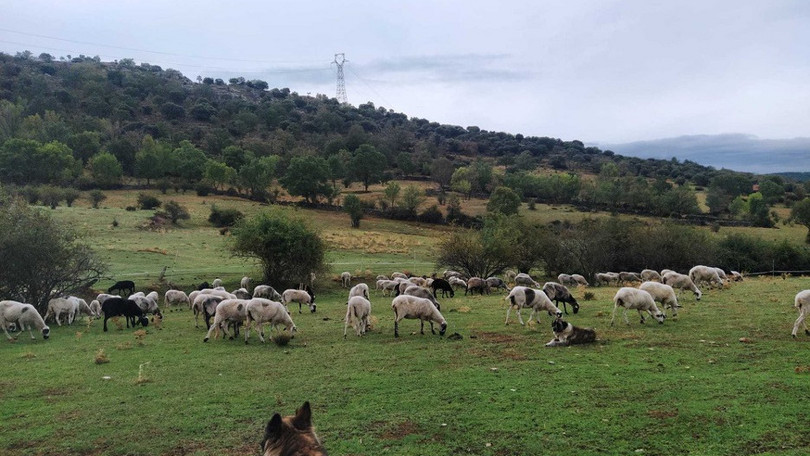 ©Beatriz Vizuete/Leuphana
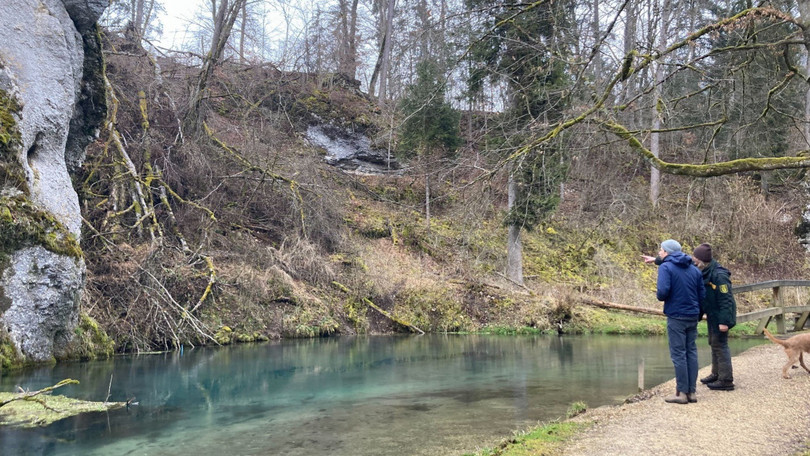 ©Anna Meyer/Leuphana
Our Principles
Our research program is highly inter- and transdisciplinary. To meet the inter- and transdisciplinary requirements of our research, the team covers different disciplines, including environmental science, sustainability science, ecological economics, humanities, feminist studies, and political ecology.
Moreover, we work collaboratively with scientists from other disciplines as well as social actors outside academia. Important partners in these collaborations are some minorities and marginalised groups, such as Indigenous Peoples and local communities, people with disabilities, and people discriminated against because of their gender*.
Our daily research is guided by the conviction that it must be responsible. Responsibility means, in particular, responsibility towards society, towards our colleagues and collaborators, and towards ourselves. In our understanding, this principle strongly relates to decolonial research praxis and a feminist ethos of care.
* refers to all non-male people, which also includes transgender, non-binary people and gender fluid people.