
Sustainability and Sports—Potential and Contradictions
2026-07-13 In the run-up to the 2026 World Cup, FIFA is promising “green soccer.” Studies paint a different picture. At the same time, clubs and leagues are increasingly collaborating with sustainability experts—currently, for example, as part of a final workshop for the part-time MBA in Sustainability Management held in partnership with the soccer league. Prof. Dr. Stefan Schaltegger and Benjamin Sachs from the Center for Sustainability Management (CSM) explain: What potential does sports have for sustainable transformation, and where are the blind spots? A conversation about social responsibility, greenwashing, and the question of whether genuine change in professional soccer is even structurally possible.
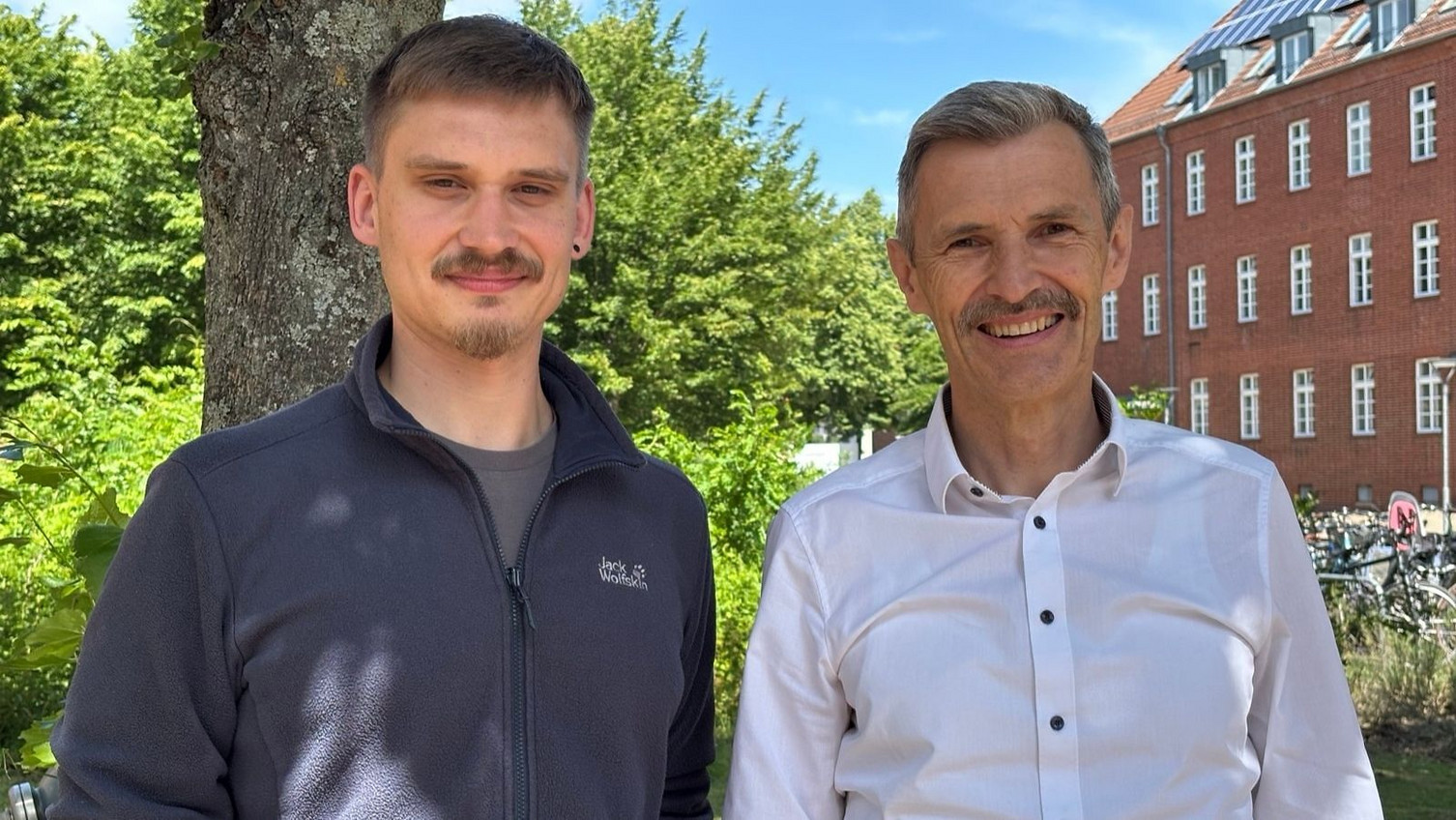
FIFA has set ambitious sustainability goals, yet studies predict that the 2026 World Cup could be the most harmful to the climate in history. How does that add up?
Stefan Schaltegger: Basically, ambitiously worded sustainability goals and strategies can reflect genuinely ambitious intentions (in the sense of “aspirational talk”) as well as an attempt to superficially fend off social criticism. In the first case, the goal is to motivate one’s own organization and key stakeholders and to align the actions of many actors with the difficult-to-achieve, ambitious goal. In the second case, it amounts to greenwashing, which is often based on the assumption that expressed or potential criticism is temporary. The difference can be seen in the sincerity of the efforts and their actual implementation.
In your assessment, what is the situation with the 2026 FIFA World Cup?
Stefan Schaltegger: Serious sustainability management ensures that the wording and implementation of ambitious sustainability goals are aligned. The structural conditions of this World Cup make it clear that no such alignment exists and that this is likely to be the most climate-damaging World Cup of all time. The 2026 World Cup has grown significantly compared to previous tournaments: Instead of 32, 48 teams will participate, and instead of 64, 104 matches will be played, spread across three countries with enormous distances between the venues. This alone will cause a significant increase in transportation-related emissions from teams, fans, the media, and other participants. Such structural factors can hardly be offset by individual sustainability measures.
Benjamin Sachs: A study by the organization “Scientists for Global Responsibility” estimates that the 2026 World Cup will generate over nine million metric tons of CO2. That would be twice as much as the average of the last four World Cups and would correspond to the annual emissions of 6.5 million cars with internal combustion engines.
What might a sustainable World Cup look like?
Stefan Schaltegger: The key question is how a World Cup can be organized within planetary boundaries while simultaneously making a positive contribution to society. Organizing this is an immense challenge. However, there are already key starting points: First, the choice of locations—that is, short distances between venues and shorter travel routes through smarter tournament planning. Second, organizers can use existing infrastructure instead of building new stadiums. Third, sustainable transportation links are important; to achieve this, sustainable mobility concepts must be developed and implemented. And fourth, a different approach to stadium management is needed—from circularity in construction materials and catering all the way to merchandising.
Social aspects are also part of this: effective strategies exist that enable organizers to consistently respect human rights, adhere to due diligence obligations throughout the entire supply chain, and prevent violence in and around stadiums.
Sports have an enormous social impact. How can soccer contribute to sustainable development?
Benjamin Sachs: As one of the world’s most popular sports, soccer has considerable potential to support sustainable development. If soccer itself succeeds in managing the significant sustainability challenges in the sport in an exemplary manner, it can serve as an important role model. Sustainability decisions in soccer can have an impact far beyond the sport itself and shape the actions of fans, sponsors, companies, and sometimes even political developments.
Soccer can also be an important multiplier for the United Nations’ Sustainable Development Goals (SDGs). Millions of people look to the activities of soccer clubs and their players for guidance. When clubs credibly and consistently embed sustainability into their core business and align their actions with the SDGs, they send a powerful message.
You are currently conducting a final workshop for the MBA in Sustainability Management in collaboration with the Bundesliga. What are the students and you taking away from this collaboration?
Stefan Schaltegger: The final workshop is one of the highlights of the MBA in Sustainability Management and facilitates the transfer of theory to practice—and vice versa. Students develop scientifically sound approaches to real-world challenges from the German Soccer League (DFL)—now known as the “Bundesliga.”
Since the 2023–24 season, a sustainability policy has been an integral part of the licensing process in German professional soccer. In doing so, the Bundesliga is taking on a pioneering role internationally and making it clear that sustainability is not an “add-on” or a “nice-to-have,” but a fundamental guiding principle that must shape both strategic decisions and operational actions alike. At the same time, it is clear that the path we have embarked upon is far from complete. The Bundesliga and its clubs must also continue to consistently drive the sustainability transformation forward. We are encouraged by the fact that our students can support this transformation process with well-founded solutions and that the Bundesliga approaches this exchange with openness and interest.
For the students, this format is an intensive test of their abilities, and for the cooperation partners, it is an opportunity for innovation. And we continue to learn from the challenges faced by the clubs and can further develop continuing education programs together with the Bundesliga. In recent years, we have already provided continuing education in sustainability management to representatives of all first- and second-division clubs.
In practice, we see colorful logos, climate partnerships, and jerseys made from recycled materials, but when will sustainability in sports become more than just symbolism?
Benjamin Sachs: At the corporate level, we repeatedly observe that sustainability is reduced to a purely communicative issue. Take the SDGs: In practice, we often see what’s known as “SDG-picking.” Organizations select individual goals from the 17 that seem to fit well with their public image, without engaging with the 169 underlying targets. Yet it is precisely there that it becomes clear what concrete contributions a sports organization can actually make, where conflicting goals exist, and how sustainability can be strategically embedded in its core business. If you take the SDGs seriously, they provide a framework for genuine transformation and are far more than just a communication tool.
Sports organizations face enormous commercial pressure—sponsors, TV revenue, growth expectations. Is genuine sustainability even possible in professional soccer?
Stefan Schaltegger: Yes, but it requires a shift in perspective. Sustainability must not be viewed merely as a cost factor, but as a prerequisite for social acceptance and an opportunity for success. Sustainability can be an opportunity when it becomes an integral part of the business model. Individual projects or campaigns can provide important impetus. What is crucial, however, is the extent to which sustainability is systematically integrated into the core business—investments, procurement, infrastructure, or sponsorship. Sustainable sports organizations structure their core business in such a way that it makes a lasting positive contribution to the environment and society. Such an understanding requires that the existing business model and the fundamental orientation of the sports organization be reevaluated and, if necessary, reimagined.
Benjamin Sachs: With its mandatory sustainability criteria, the Bundesliga has demonstrated how umbrella organizations can drive change in sports. At the same time, there is a need for qualified staff who can strategically manage sustainability. That’s why, at Leuphana, we’ve launched the certificate program “Sustainability Management in Sports and Sports Organizations” alongside the MBA in Sustainability Management, to help shape the work in the sports business and within sports organizations in a responsible and forward-looking way.
What specific call to action would you make to sports organizations, associations—and fans—for a more sustainable future of sports?
Stefan Schaltegger: As a first step, focus on sustainable fan mobility and creating a climate of multicultural coexistence in and around the stadium—instead of violence. These are important, pragmatic starting points. Then, sports federations can set clear, ambitious environmental and social standards, clubs can consistently implement sustainability in their training operations, and thereby inspire their members. This can trigger a chain reaction in which fans take advantage of sustainable offerings and contribute to a society and economy where performance, social cohesion, and action within planetary boundaries become the norm. What matters most are not formally perfect sustainability reports or communication campaigns, but bold decisions and consistent action toward sustainable development.
Finally, your prediction: Who will be the world champion?
Benjamin Sachs: Unfortunately, my personal dark horse has already been eliminated, and from a sporting perspective, France, Spain, and Argentina certainly have the best chances. But generally speaking, I’m happy about any victory by a surprise team that isn’t among the top favorites.
Stefan Schaltegger: If there are no surprises: France. But as a sustainability researcher, I know that predictions are difficult, often wrong, and less relevant to sustainability management than working toward an ambitious goal in a well-founded way. That’s why I suggest we focus on how we might make it so that the final match at the World Cup two tournaments from now—clearly the most sustainable World Cup of all time—is Germany versus Switzerland.
Thank you very much for the interview!