
Prof. Dr. Oliver Genschow
Werdegang
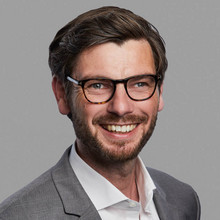
Oliver Genschow ist Professor für Kognitions-, Sozial- und Wirtschaftspsychologie. In seiner Forschung beschäftigt er sich vor allem mit menschlichen Interaktionsmustern mit einem starken Fokus auf sogenanntes „perception-action coupling“, wie z. B. Imitation, Mimikry und antizipiertes Handeln.
Weitere Information über die zugrundeliegenden Prozesse von Imitationsverhalten und der Möglichkeit automatische Imitation in Online-Studien zu messen sind auf folgender Homepage dargestellt: https://www.automatic-imitation.com
Weitere Untersuchungsfelder umfassen die Erforschung des Glaubens an den freien Willen, soziale Normen, Konsumverhalten, implizite Einstellungsmessungen und Annäherungs-/Vermeidungsverhalten. Als einer von vier Hauptherausgeber*innen des In-Mind Magazins, unterstützt Oliver Genschow Wissenschaftskommunikation von wissenschaftlich arbeitenden Psycholog*innen.
Links
Akademischer Werdegang
- Seit Okt. 2022: Leuphana Universität Lüneburg, Professor für Kognitions-, Sozial- und Wirtschaftspsychologie
- Feb. 2022 – Aug. 2022: Elternzeit
- Jan. 2017 – Sept. 2022: Universität zu Köln, Juniorprofessor für Sozialpsychologie: Social Cognition
- Okt. – Dez. 2016: Universität Basel (Schweiz): PostDoc in der Abteilung für Sozialpsychologie
- Sept. 2013 – Okt. 2016: Universität Gent (Belgien): PostDoc in der Abteilung für Experimentalpsychologie
- Jan. 2013 – Aug. 2013: Universität Mannheim, PostDoc in der Abteilung für Konsumentenpsychologie und Ökonomische Psychologie
- Feb. 2011 – Dez. 2012: Universität Mannheim, Doktorand in der Abteilung für Konsumentenpsychologie und Ökonomische Psychologie
- Feb. 2010 – Jul. 2012: Universität Basel (Schweiz), wissenschaftlicher Mitarbeiter in der Abteilung für Sozial- und Wirtschaftspsychologie
Projekte
-
Sozial-Innovative Transformation durch inklusive Arbeitswelten (SInTrA)
Steffen Farny (Wissenschaftliche Projektleiter*in) , Oliver Genschow (Wissenschaftliche Projektleiter*in) , David D. Loschelder (Wissenschaftliche Projektleiter*in) , Svenja Rehwinkel (Projektmitarbeiter*in) , Monika Imschloß (Wissenschaftliche Projektleiter*in) , Melissa Striethörster (Projektmitarbeiter*in) , Josephine Führer (Projektmitarbeiter*in)
→Projekt: Forschung
Lehrveranstaltungen
The lecture provides an introduction to the field of Cognitive Psychology. It covers physiological and psychological processes of attention and perception, learning and memory, as well as language. In addition, the module will touch topics related to thinking and reasoning, consciousness, as well as embodiment and sense of agency."