Joint Seminar with Stellenbosch University and UWC
2026-03-23
Partnership with Stellenbosch University and the University of the Western Cape
- 23–27 March 2026 in Stellenbosch and Cape Town, South Africa
People use law as a tool to organise, structure, and transform their societies. While it may be purely technical in some instances, in others it can encompass objectives, values, or idealised visions of the future. In the latter case, it provides mandates for action to state bodies and citizens alike. An example of this can be found in the South African Constitution. There, the concept of 'transformative constitutionalism' plays a key role in dismantling the legacies of apartheid and other oppressive structures of the past.
In order to initiate and guide such processes of change, the law is required. However, the conceptions of what constitutes law and justice, and how we can shape transformations in a manner consistent with the rule of law while bearing in mind that our own horizons of experience and perspectives are not the only decisive factors when considering global processes of change, present a challenge to early-career legal scholars when addressing relevant transformation issues.
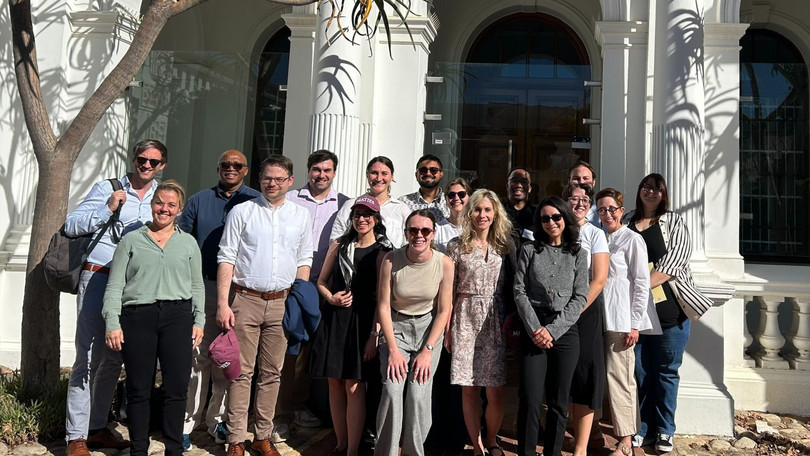
The Joachim Herz Doctoral School of Law focuses on the broad field of 'Law and Transformation'. Many of the doctoral research projects undertaken within this framework address topics relating to digitalisation, climate change, and the international order. In order to hone the ability to collaborate across borders and consider global processes of change from a variety of perspectives, this year's doctoral colloquium was held jointly with young South African researchers. To this end, members of the Joachim Herz Doctoral Programme travelled to Stellenbosch University and the University of the Western Cape at the end of March.
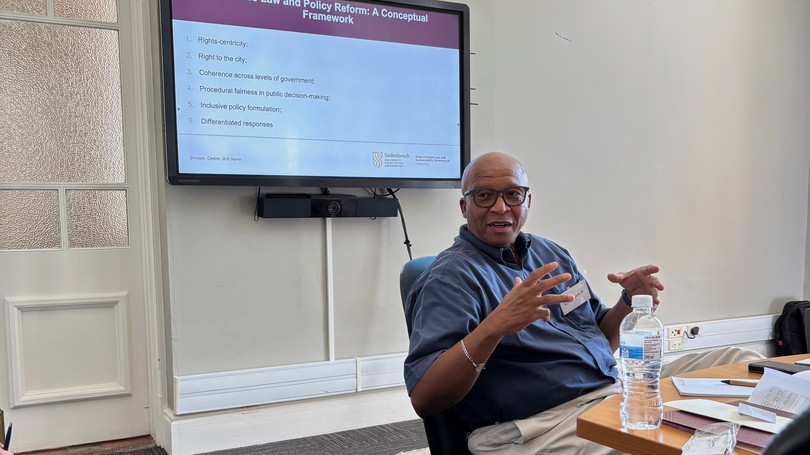
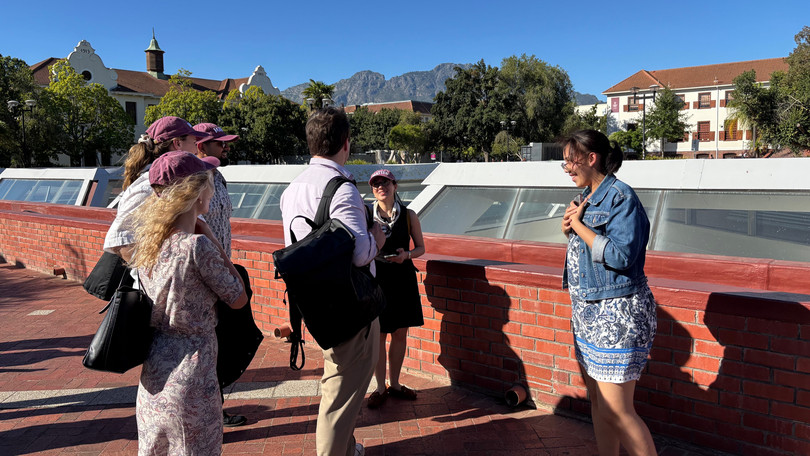
The seminar and workshop programme included events focusing on the future of the SDGs, the colonial past, and the current state of African–European relations, as well as transformative constitutionalism. These were supplemented by visits to the Slavery Lodge, the District Six Museum and the University of the Western Cape’s nature reserve. The workshop week concluded with a discussion event on the latest advisory opinions of international courts on international climate protection.