Theses
Supervisors in the "Digital Transformation and Information Management" Research Group
Prof. Dr. Paul Drews
Dr. Bijan Khosrawi-Rad
Prof. Dr. Kristina Lemmer
Jan Maschewski
Kenneth Richter
Matthias Werner
Dr. Markus Philipp Zimmer
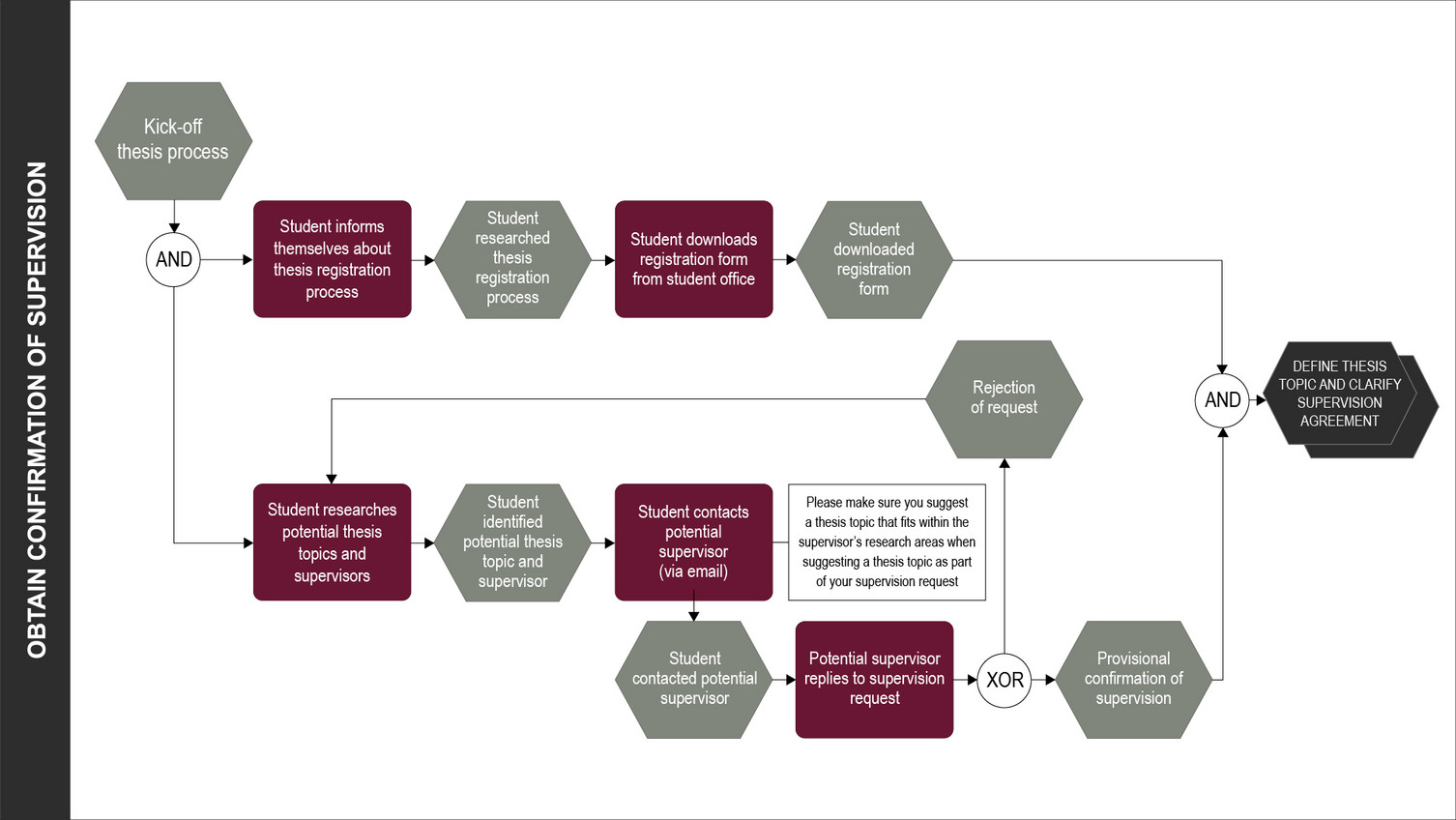
If you are interested in supervision by any of the aforementioned supervisors, please contact them via email or arrange an appointment via mystudy for office hours.
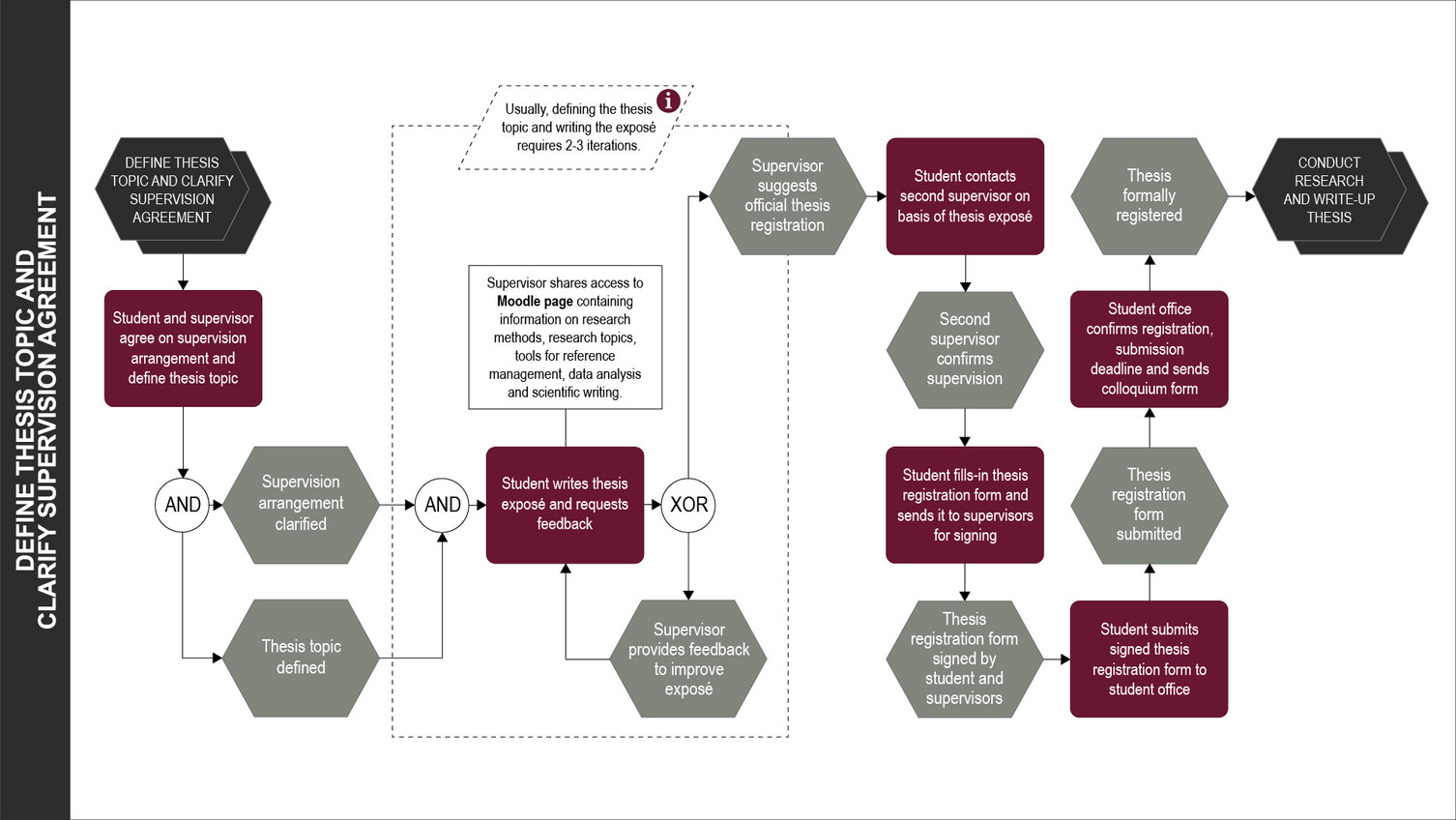
Together with the supervisor, students then define the topic of the thesis and the format of the supervision process. This phase includes writing an exposé and ends with the registration of the thesis with Student Services.
Topic Areas
- Digital Transformation / AI Transformation (Paul Drews, Bijan Khosrawi-Rad, Matthias Werner)
- Digital Innovation / AI Innovation (Paul Drews, Matthias Werner)
- Digital Transformation of Work, (Gen)AI and Work, e.g., knowledge work, creative work (Paul Drews,
Bijan Khosrawi-Rad) - Digital Entrepreneurship (Paul Drews, Bijan Khosrawi-Rad)
- Digital Government (Kristina Lemmer)
- Digital Health (Jan Maschewski)
- Digital-Sustainable Co-Transformation / Responsible Digital Transformation (Paul Drews)
- IT Governance / IT Management, IT Strategy (Paul Drews)
- Enterprise Architecture Management (Paul Drews)
- IT Innovation Management (Paul Drews, Matthias Werner)
- Agile Transformation / Scaling Agile (Paul Drews)
- Data-Driven and AI-Driven Business Models, Managing AI / Responsible AI (Paul Drews, Bijan Khosrawi-Rad)
- Agentic AI / AI Agents in Organizations (Paul Drews, Bijan Khosrawi-Rad)
- Data Governance / AI Governance (Kenneth Richter)
- Data Studies (Kenneth Richter)
- Temporality in/of Data Governance (Kenneth Richter)
- Agentic AI in Data Governance (Kenneth Richter)
- Data Innovations (Kenneth Richter)
- Professional Service Firms, e.g., (IT) consulting firms, IT service providers, law and accounting firms
(Matthias Werner) - Interplay and Management of Conflicts, Tensions, and Paradoxes (Matthias Werner)
- Experimentation & A/B Testing (Nils Stotz)
- Digital Education, e.g., game-based learning, serious games, virtual worlds, learning with AI chatbots, AI-supported brainstorming (Bijan Khosrawi-Rad)
- Human-AI Collaboration, e.g., conversational agents and their design, virtual companions, creativity with AI
(Bijan Khosrawi-Rad) - Startups and Scaling, e.g., growth hacking (Bijan Khosrawi-Rad, Jan Maschewski)
- Design Science Research (Bijan Khosrawi-Rad)
The following topic areas are currently available:
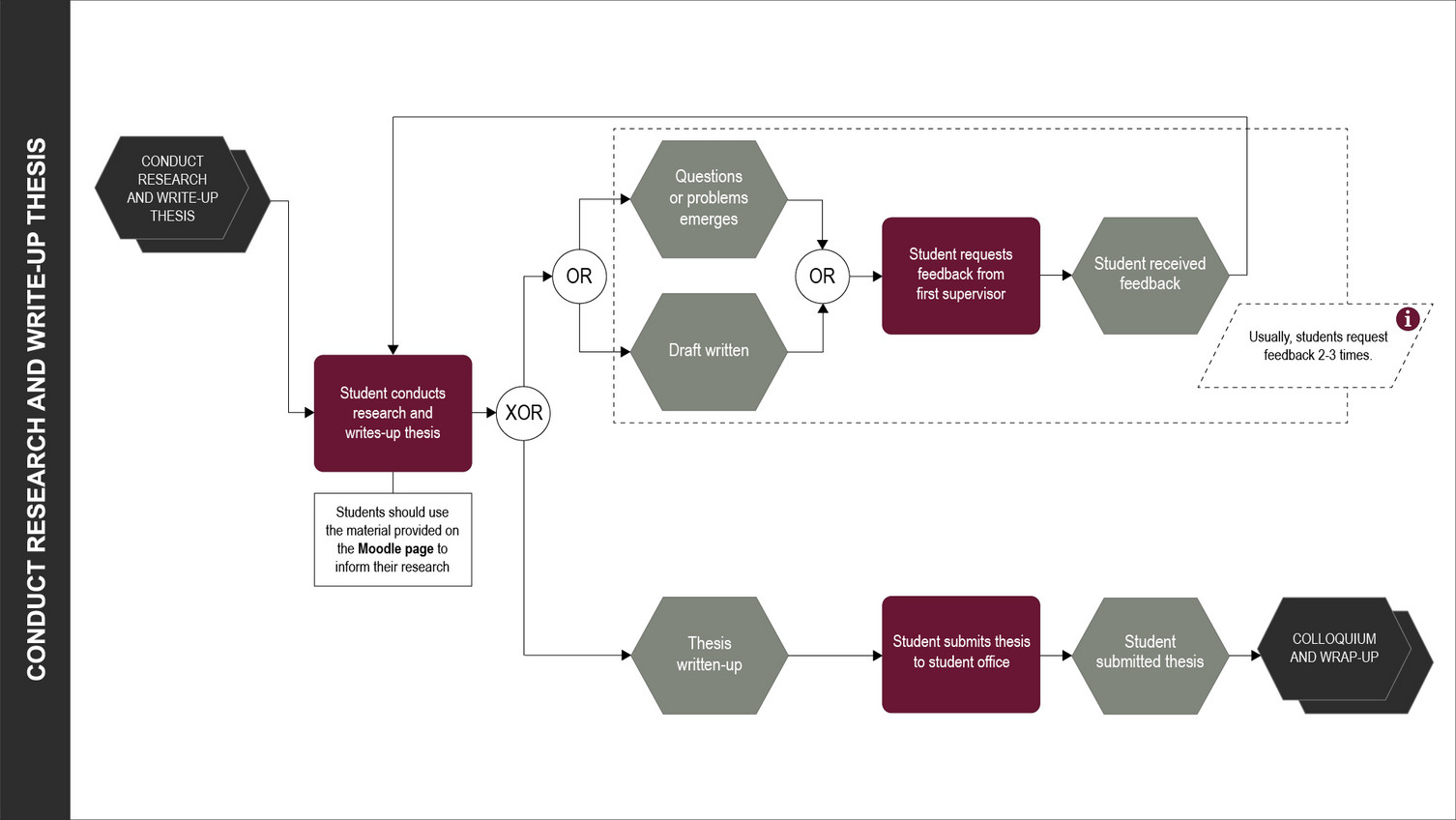
The third phase involves carrying out and writing up the research work. Depending on the chosen research method, students collect data, analyze it, and subsequently write up the results. At the end of this phase, students submit their thesis. The submission deadline is defined by Student Services based on the thesis registration date.
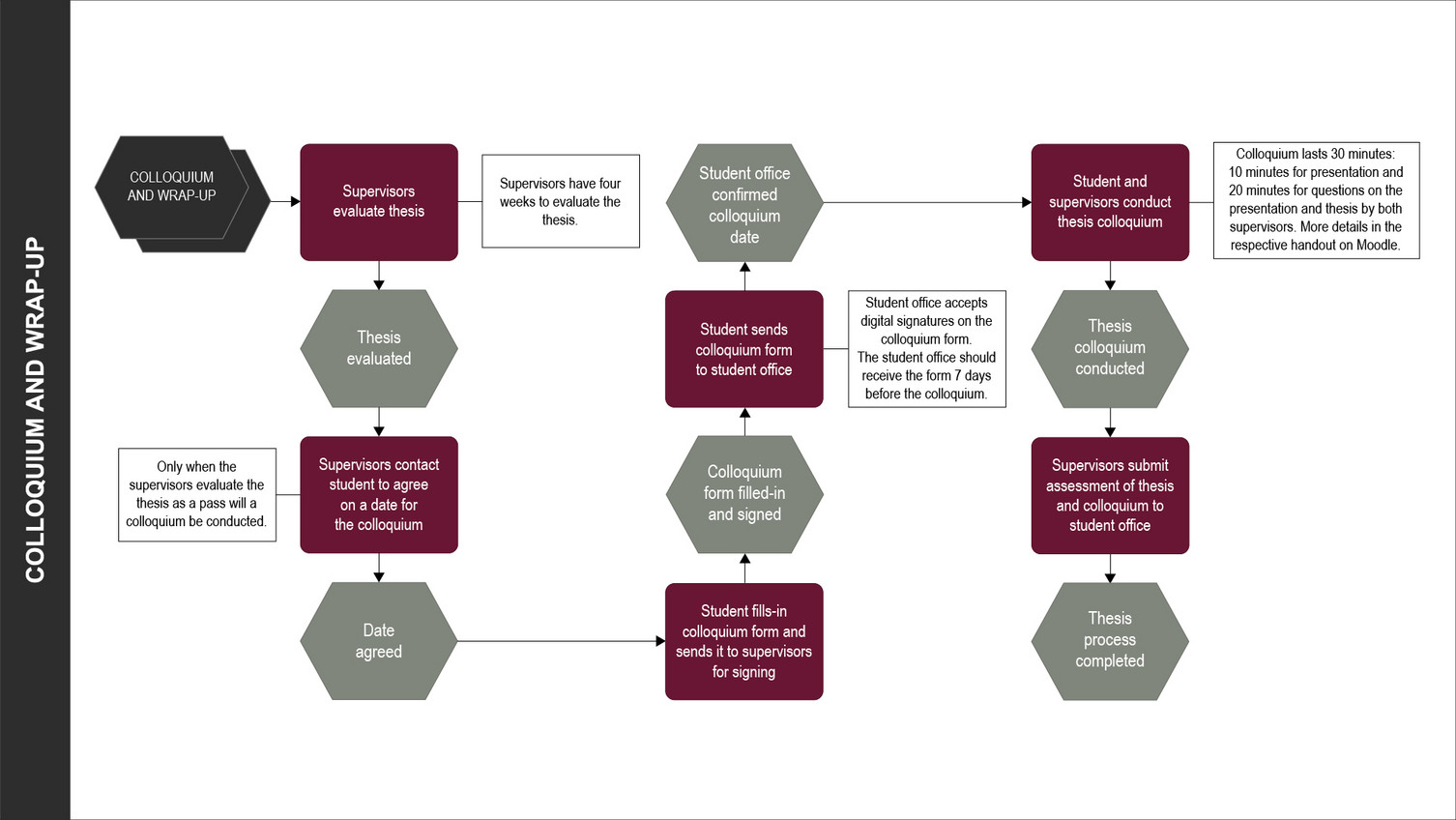
After submission, the supervisor evaluates the written thesis. If the written part is passed, the supervisor contacts the student to schedule the colloquium. After completion of the colloquium, the supervisor posts the assessment report, examination record, and grades in the university system.