
Press Freedom Week: NDR broadcast live from Leuphana
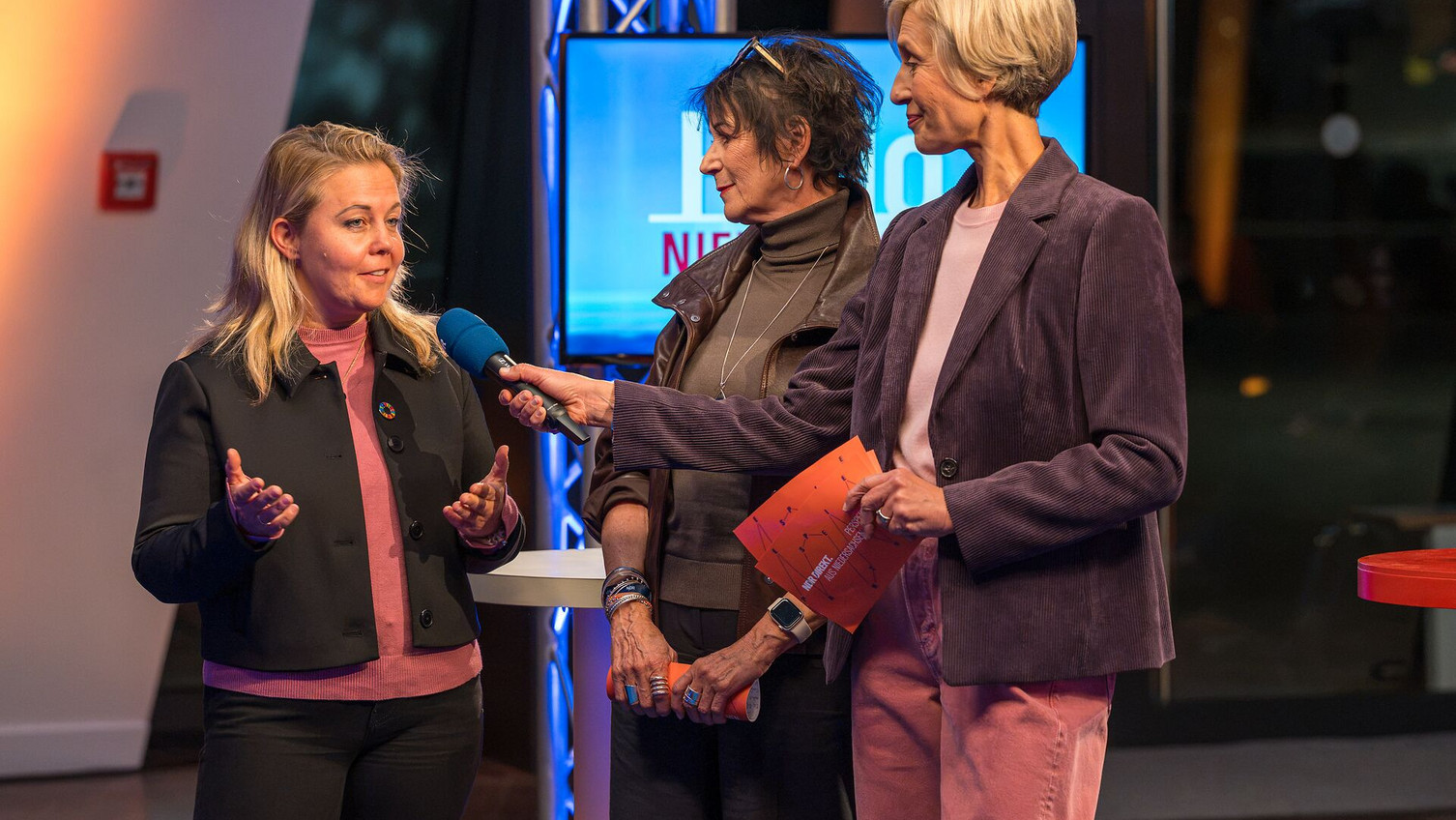
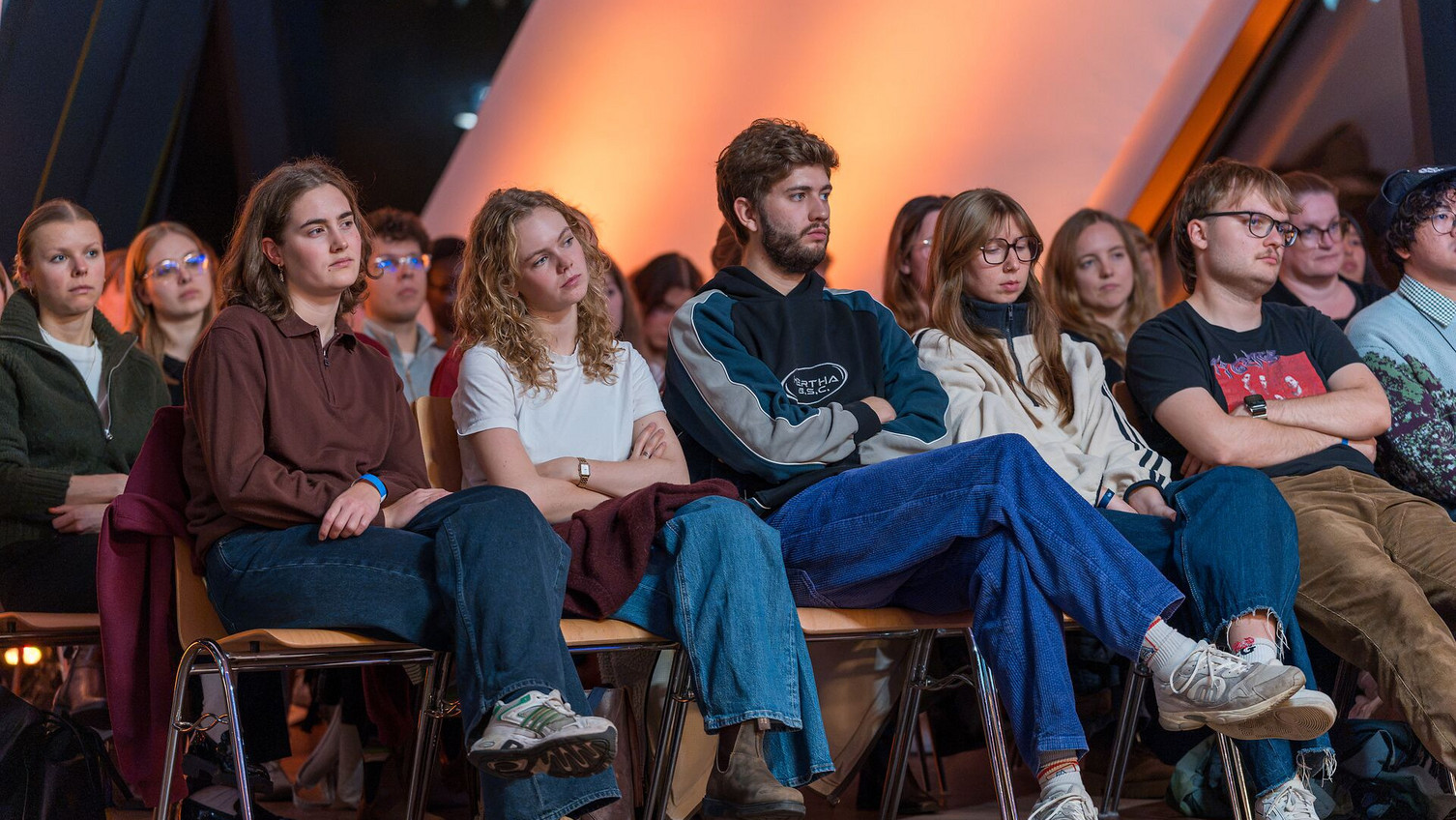
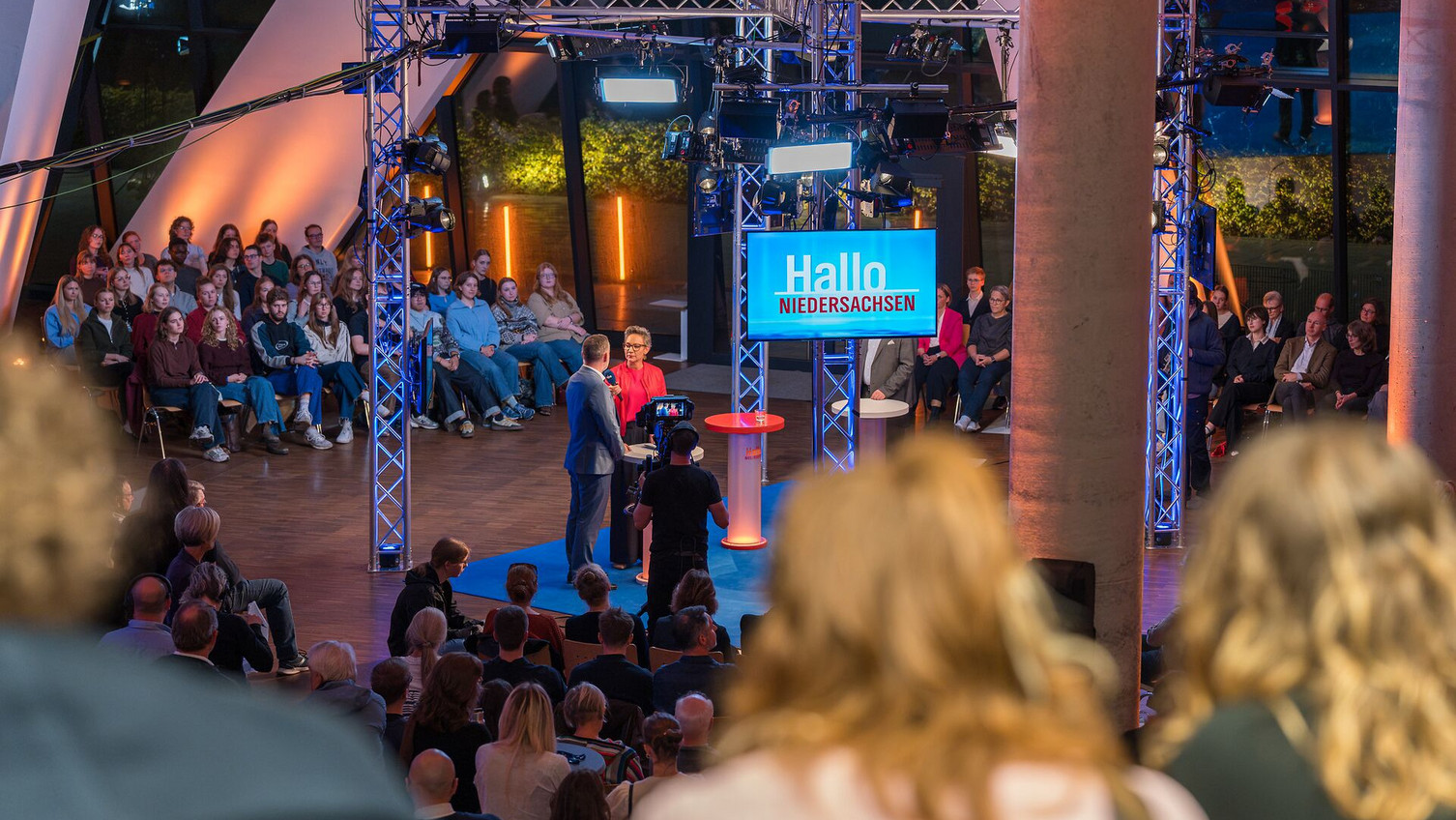
2026-10-16 How can people still trust information when AI can mimic and manipulate videos, images, and even human voices so convincingly? For the second time, Leuphana hosted the NDR’s Press Freedom Week. More than 300 citizens and students attended the expert panel discussion and debated disinformation, journalistic credibility, and protection against digital violence on NDR DIREKT and Hallo Niedersachsen.
 ©Leuphana/Tengo Tabatadze
 ©Leuphana/Tengo Tabatadze
 ©Leuphana/Tengo Tabatadze
 ©Leuphana/Tengo Tabatadze
 ©Leuphana/Tengo Tabatadze
 ©Leuphana/Tengo Tabatadze
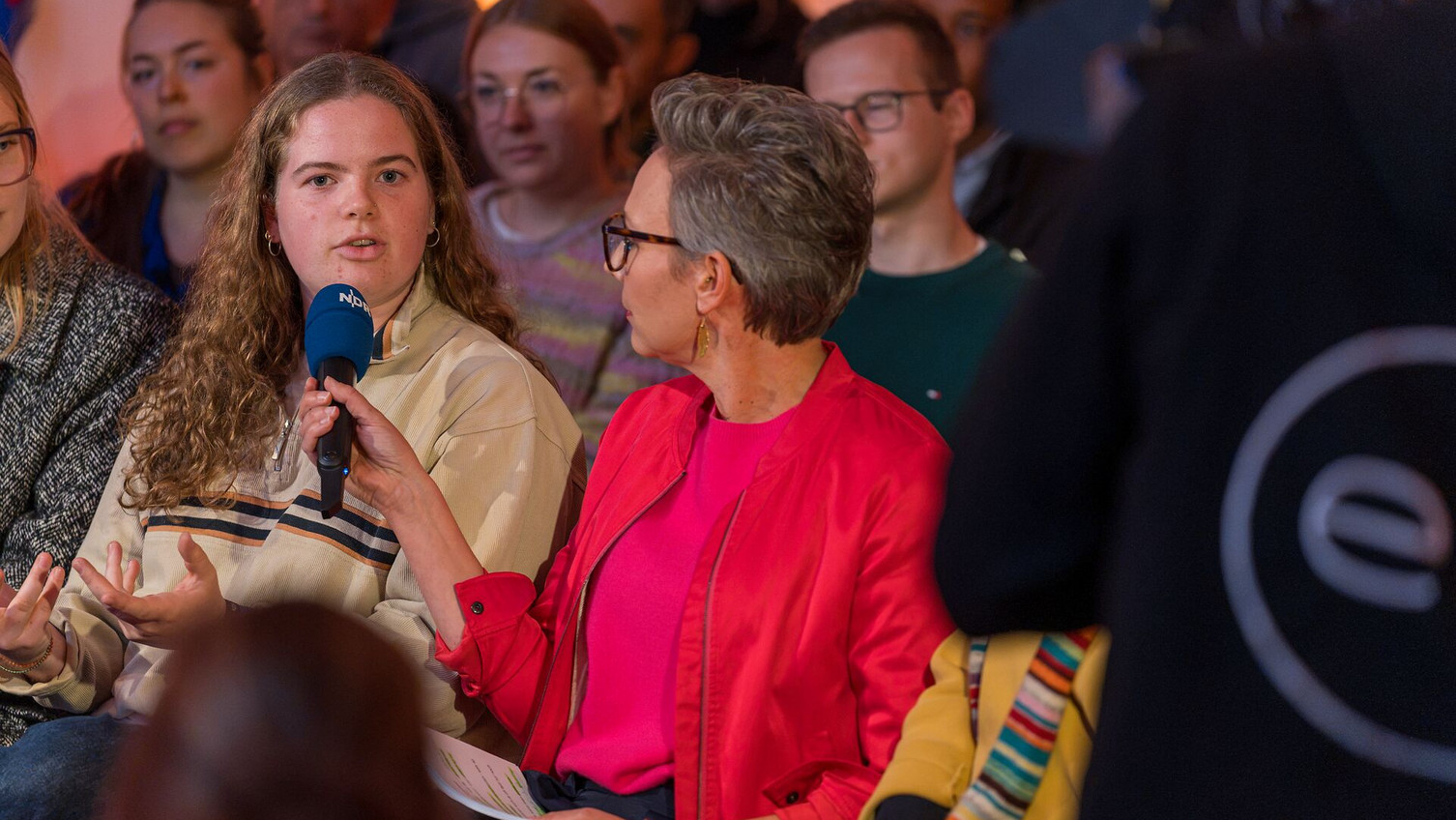
“Disinformation is as old as humanity itself. What’s new is this mistrust: Anyone can easily create fake information,” says Leuphana student Sophie on *Hallo Niedersachsen*. She is one of about 20 students who participated in a workshop on AI and disinformation before the live broadcast from Leuphana’s main building: Leuphana professors and students explored the topic of AI from various disciplinary perspectives: ranging from theology to sustainability to computer science. How is AI changing the way we engage with news? How can we tell what’s real? How do we protect ourselves and others from deepfakes?
These questions also guided the students during the subsequent broadcasts: NDR aired “Hallo Niedersachsen” live from Leuphana’s main building. This was followed by an online broadcast of NDR DIREKT.
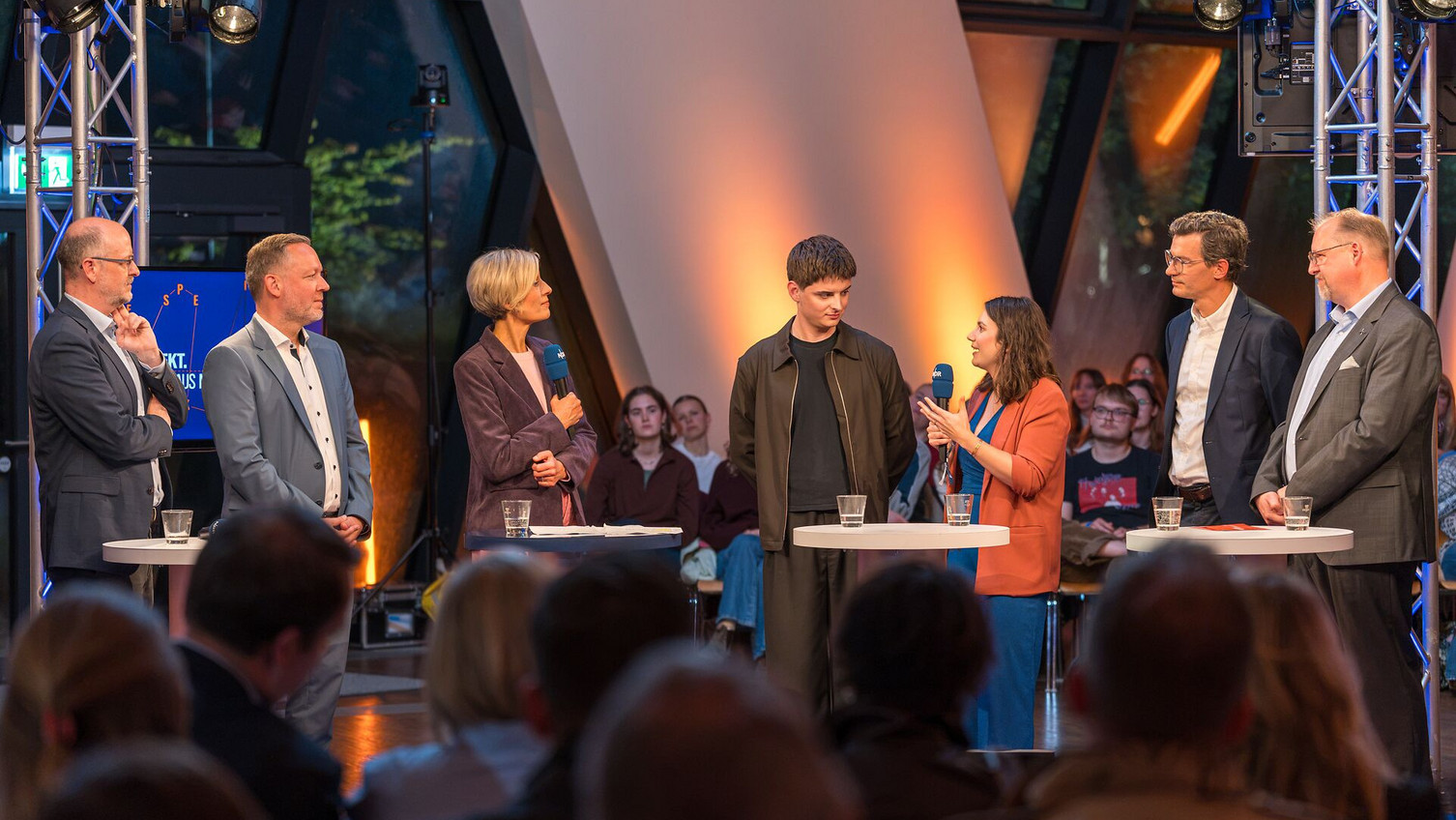
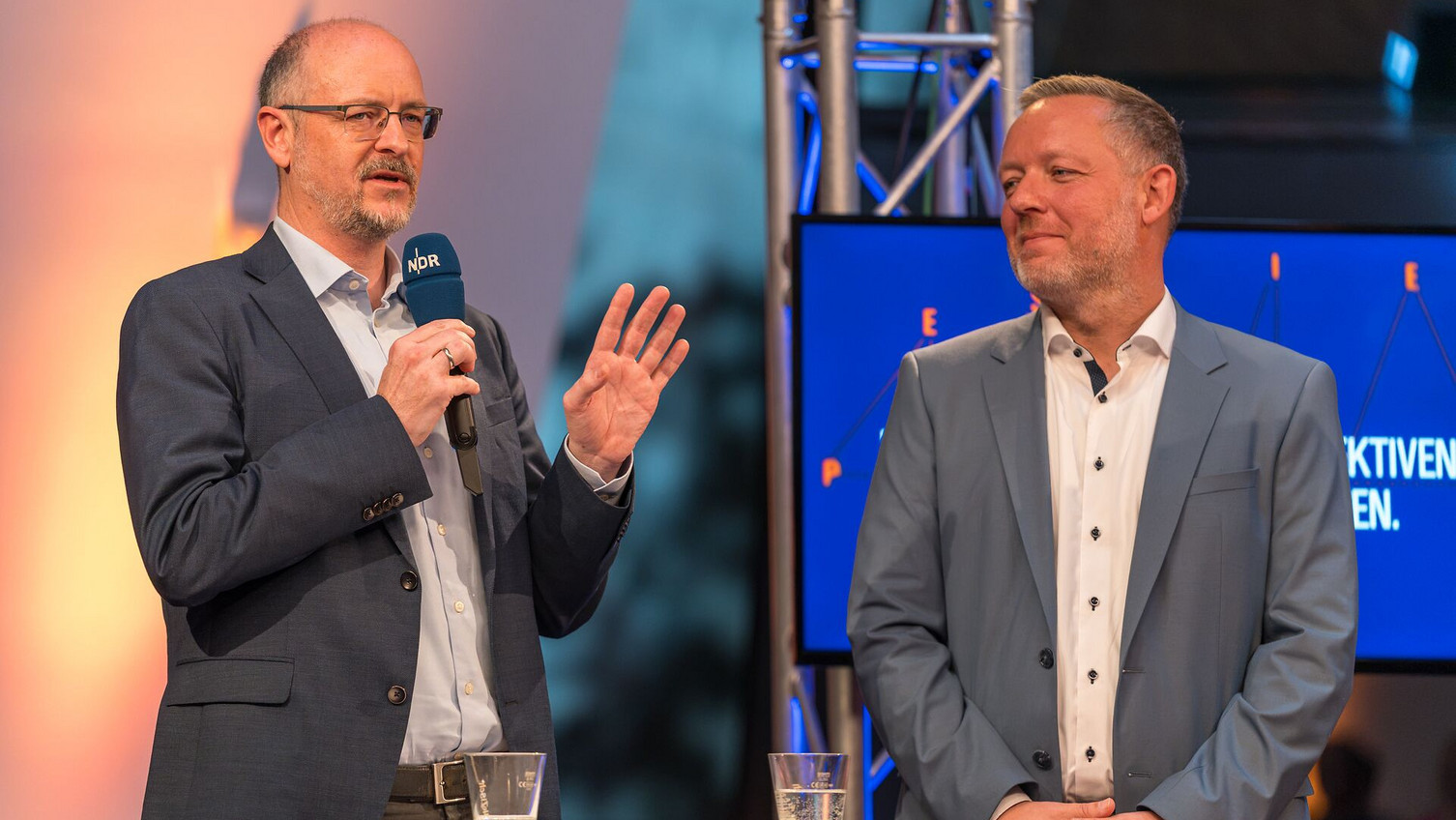
On the panel, experts from journalism, television, law enforcement, and academia engaged in discussion. It became clear that addressing disinformation is not solely the responsibility of the media and platforms. Education also plays a central role: People must learn to critically evaluate information, assess sources, and understand the mechanisms of social media, as Marcus Pietsch, professor of educational sciences at Leuphana, emphasized.
Newsfluencer Fabian Grikschat summed up just how challenging dealing with AI is, even for young people: “We young people can’t keep up with it anymore either.” During the expert panel, he examined the topic of AI from the perspective of social media.
The central theme of the evening: credibility. Manual Becker, editor-in-chief of the *Landeszeitung für die Lüneburger Heide*, summed up the importance of journalistic research in four words: “Real reporters. Real images.” Local journalism is crucial: “We’re on the ground. We talk to people.” The big advantage: People are familiar with the situations and can verify information firsthand.
But the evening wasn’t just a dialogue among the experts. The audience was invited to join the discussion: “How do we protect our children online?” one audience member asked, for example.
Newsfluencer Fabian Grischkat was clear in his warning against posting videos and images online and on social media without thinking twice. Thorsten Massinger from the State Criminal Police Office emphasized prevention and responsibility in everyday life. Parents and teachers should pay close attention to the experiences children encounter online.
Media literacy is crucial.
Marcus Pietsch emphasized that it is also the role of education to explain the mechanisms of social media and to provide access to a free press. He advocated for creating more “spaces for discourse.” An important part of democracy education, he said, is understanding that there are different opinions: “And we need to talk about them.”