
Panel Discussion: Transatlantic Relations in Crisis?
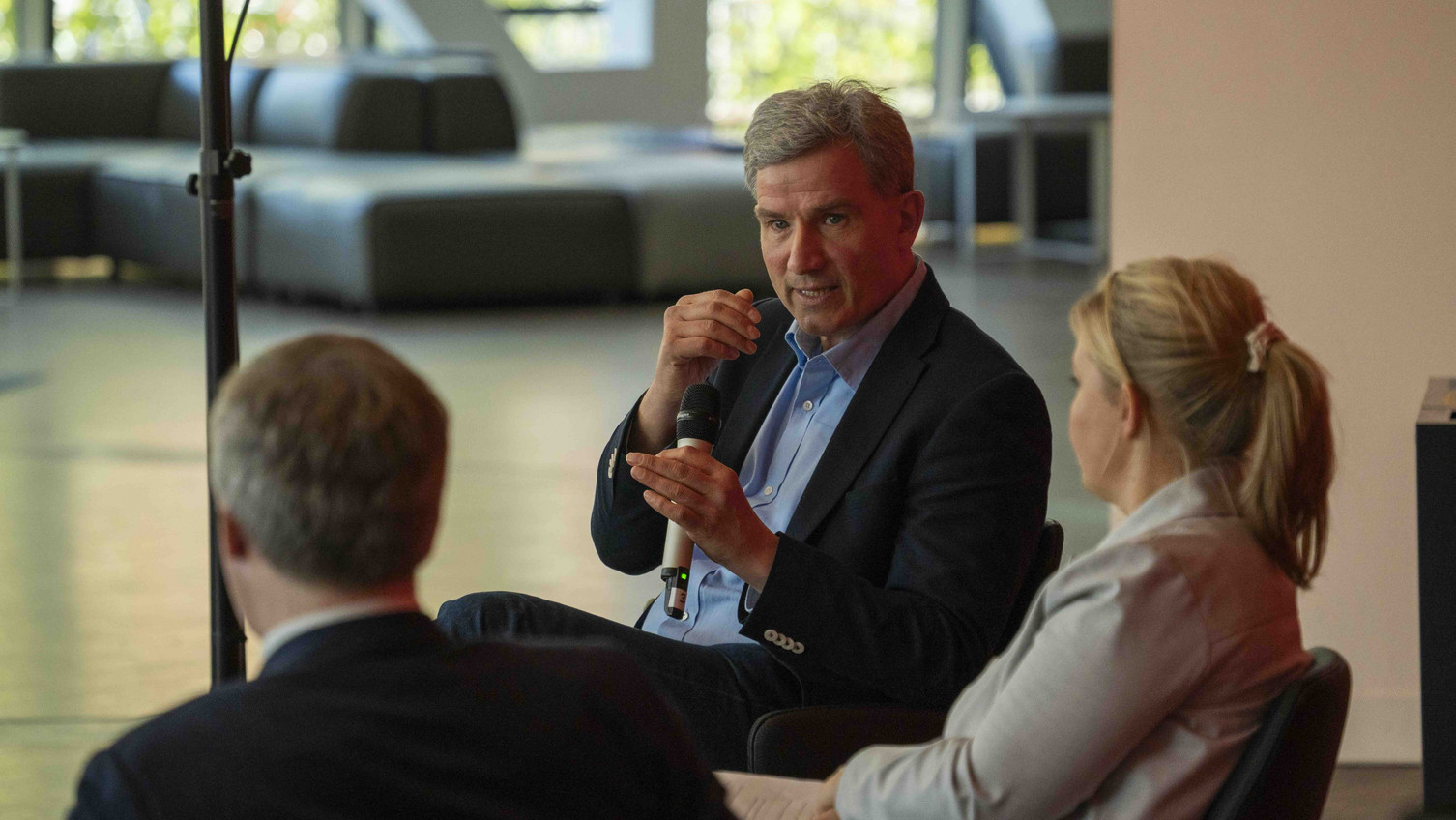
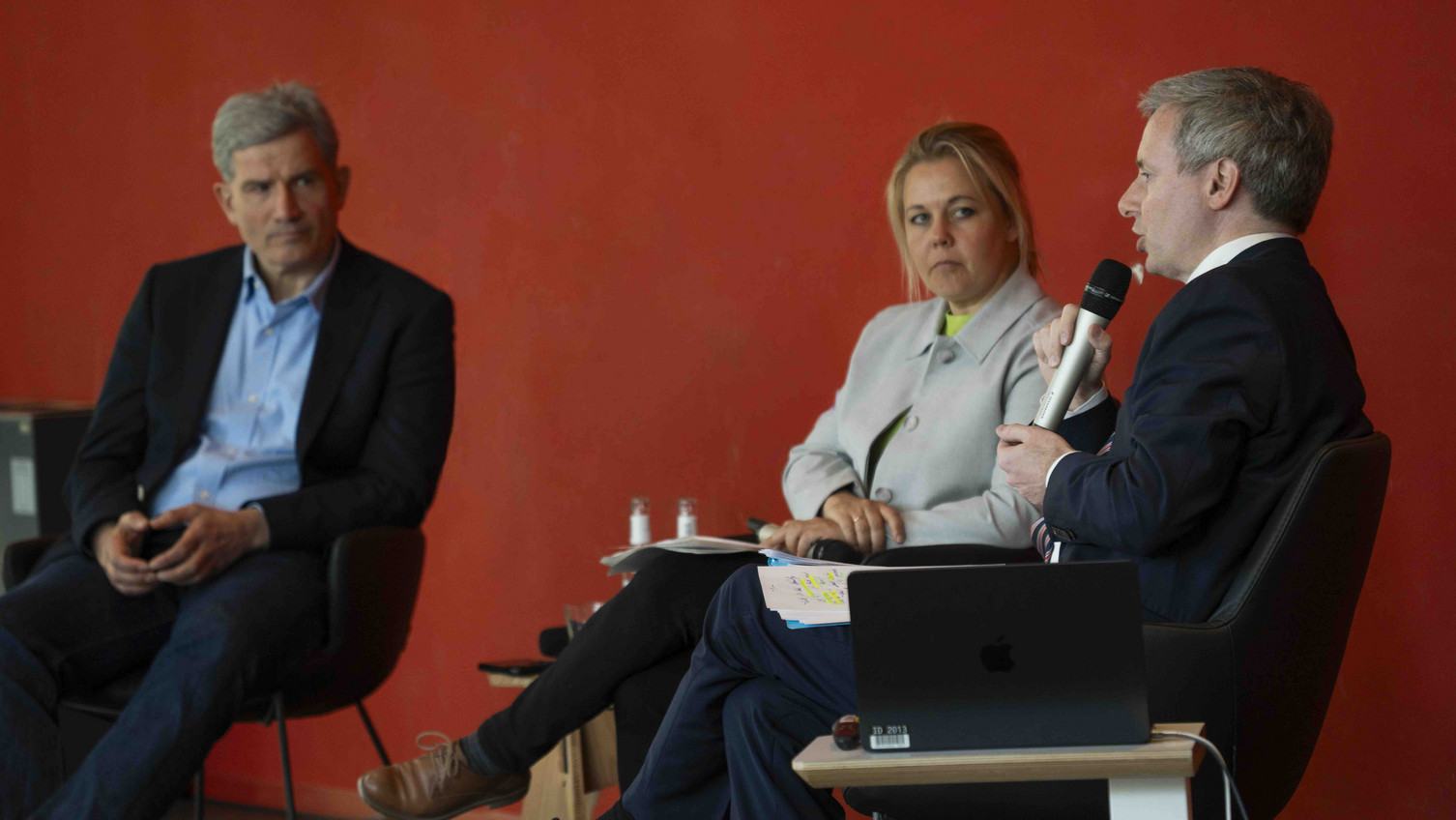
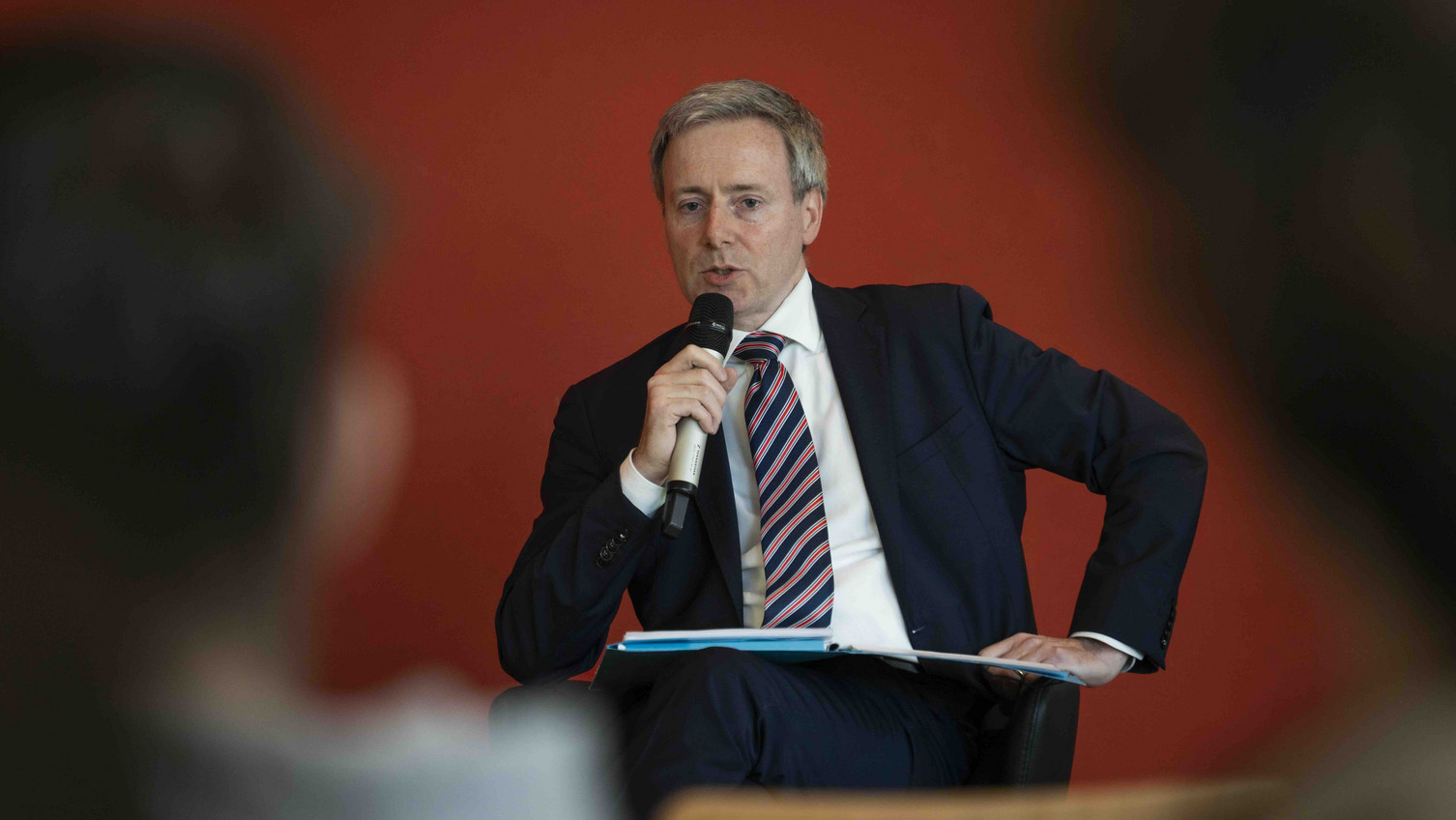
2026-04-29 The Joachim Herz Doctoral School hosted a panel discussion featuring Metin Hakverdi, a Member of the German Bundestag and the Federal Government’s Coordinator for Transatlantic Cooperation, alongside Professor Dr Heiko Meiertöns from the Federal University of Applied Administrative Sciences. The discussion focused on the current state of transatlantic relations, considering how they are faring and developing against the backdrop of multiple geopolitical challenges.
 ©Leuphana Universität Lüneburg
 ©Leuphana Universität Lüneburg
 ©Leuphana Universität Lüneburg
Professor Meiertöns analysed the current state of US security and foreign policy. Under the Trump administration, the focus has shifted towards the Western Hemisphere. The 'Trump Corollary' to the Monroe Doctrine calls the sovereignty of Latin American states into question. Conversely, Europe is viewed as being in a state of 'civilisational decline'. Nevertheless, Europe's economic strength must be utilised more effectively, as the US government believes that 'Russia is primarily a problem that must be managed by Europe'. Professor Meiertöns then turned to the Iran crisis, asking how Germany should deal with a US administration whose Secretary of State 'openly advocates behaviour that contravenes humanitarian and international law, as well as a warrior ethos'.
Metin Hakverdi discussed the current challenges facing the transatlantic relationship from a political standpoint. He emphasised that Germany and Europe are currently unable to guarantee their own security and are dependent on the United States. At the same time, Europeans yearn for a strong, rules-based international order, yet the Trump administration is systematically undermining it. In light of these contradictions, Europe must adopt a new mindset and strive for greater independence, developing greater sovereignty in technological, economic, and security policy matters. However, Mr Hakverdi acknowledged that this would be a very challenging task.
Despite these concerns, he remained optimistic about the future of transatlantic relations. Close economic and political ties, a positive view of Germany and Europe outside the US administration, and the possibility of decisive change in the political situation in the United States with the midterm elections all offer hope. Nevertheless, Metin Hakverdi emphasised that our aim must be to gain greater sovereignty in order to create more political leeway at the international level, thereby securing influence and a voice. Only then will Germany and Europe be able to effectively champion the preservation of a rules-based international order.