Conference of the Central Contact Point for Antisemitism
2026-03-04 The Central Contact Point for Addressing Antisemitism at Universities in Lower Saxony (ZAN), located at the State Agency for Civic Education of Lower Saxony, hosted a conference for university members on March 2, 2026. The Central Contact Point was established on the initiative of the Lower Saxony Ministry of Science and Culture in close cooperation with the Lower Saxony State Conference of Universities and is intended to support universities and university members in advising on and addressing antisemitism. The Leuphana University hosted the conference.
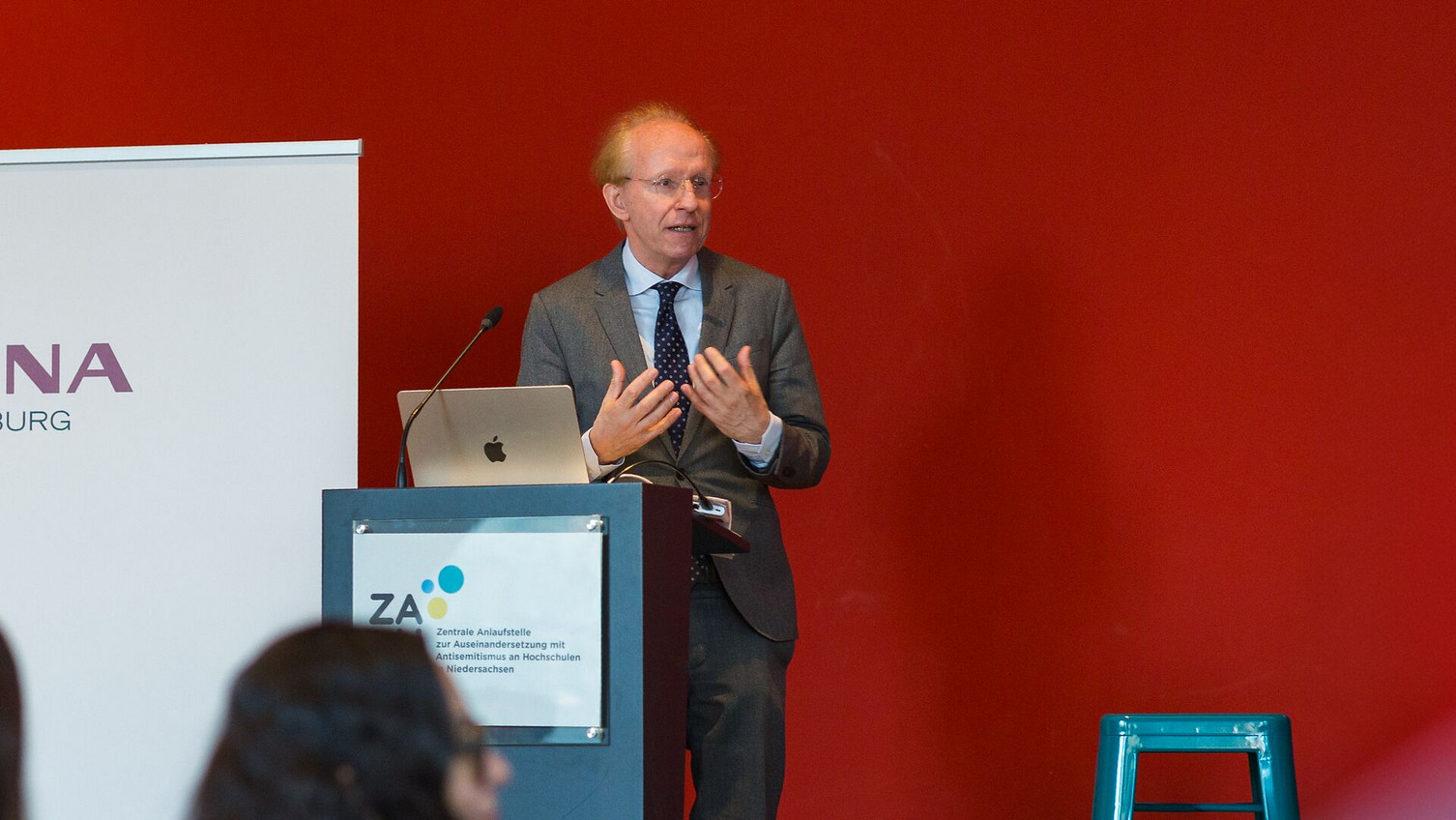 ©Leuphana/Tengo Tabatadze
The State Agency for Civic Education in Lower Saxony hosted a conference to establish the Central Contact Point for Addressing Antisemitism at Universities in Lower Saxony (ZAN). The conference focused on networking among university contact persons for antisemitism prevention, as well as individuals who perform these tasks in other capacities or have connections to the topic. It also facilitated the exchange of knowledge on addressing and preventing antisemitism and provided information on support services for universities and university staff.
Lower Saxony's Minister of Science, Falko Mohrs, the President of the Lower Saxony University Conference, Prof. Dr. Susanne Menzel Riedel, and the President of Leuphana University Lüneburg, Prof. (HSG) Dr. Sascha Spoun, opened the conference. It was noted that since October 7, 2023, antisemitic attacks against Jews and institutions in Germany have increased. Universities face the challenge of maintaining a free and open space for academic discourse while simultaneously taking decisive action against the misuse of antisemitic statements and actions. This conference aimed to raise awareness of the various forms of antisemitism and to provide information on available resources, procedures, and effective measures for the protection of Jewish students and staff. The conference encouraged networking among universities, fostering mutual learning and strengthening efforts to prevent antisemitism and address antisemitic incidents at universities. Universities are the bastions of academic freedom and freedom of expression, and thus centers of democratic culture, dialogue, and diversity. They should be safe spaces for academic learning and discourse.
The conference encouraged participants to foster networking among universities, learn from one another, and thereby strengthen efforts to prevent antisemitism and address antisemitic incidents at universities.
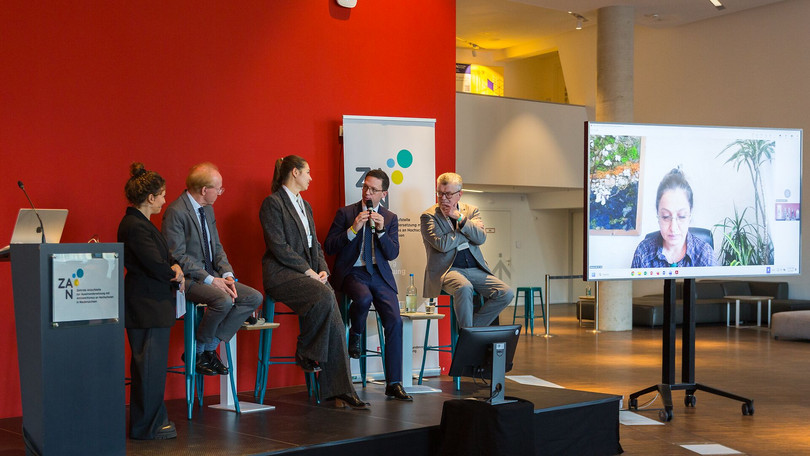
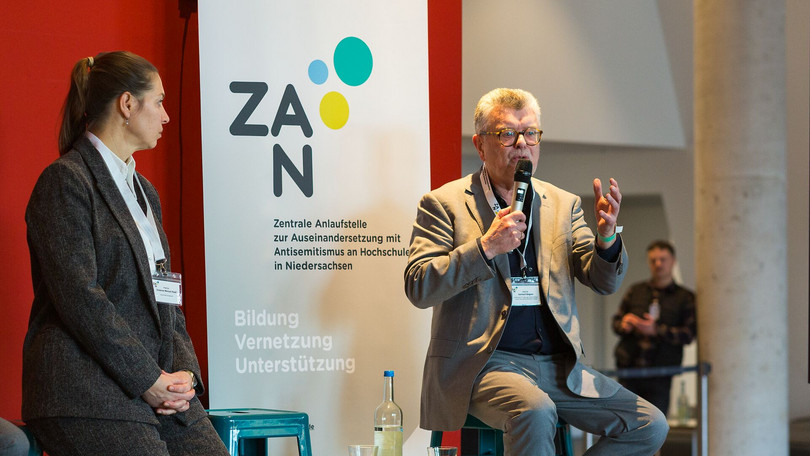
(Caption below, from left to right: Lower Saxony's Minister of Science Falko Mohrs, President of the Lower Saxony State University Conference Prof. Dr. Susanne Menzel Riedel and Prof. Dr. Julia Bernstein, Chairwoman of the Network of Jewish University Lecturers)
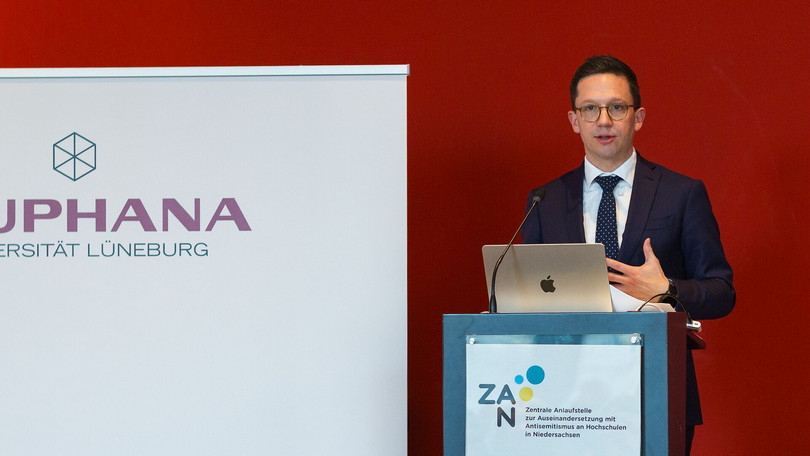
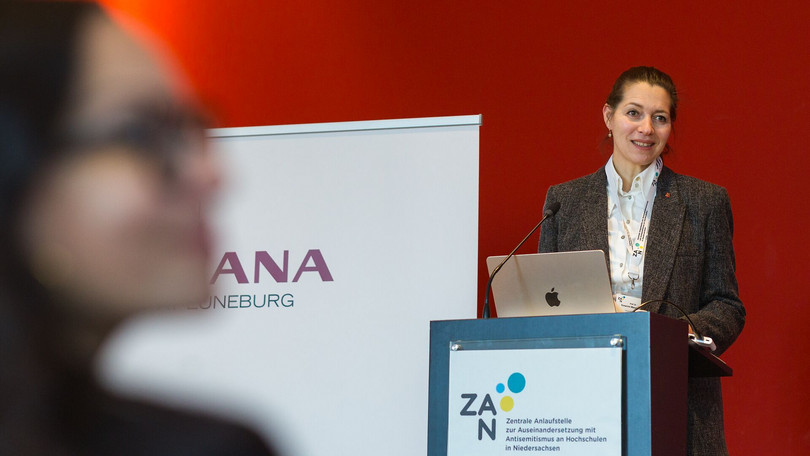
The Lower Saxony State Commissioner against Antisemitism and for the Protection of Jewish Life, Prof. Dr. Gerhard Wegener, emphasized the importance of antisemitism prevention and the fight against antisemitism by universities, in light of the significant increase in antisemitic incidents, as a prerequisite for academic freedom.
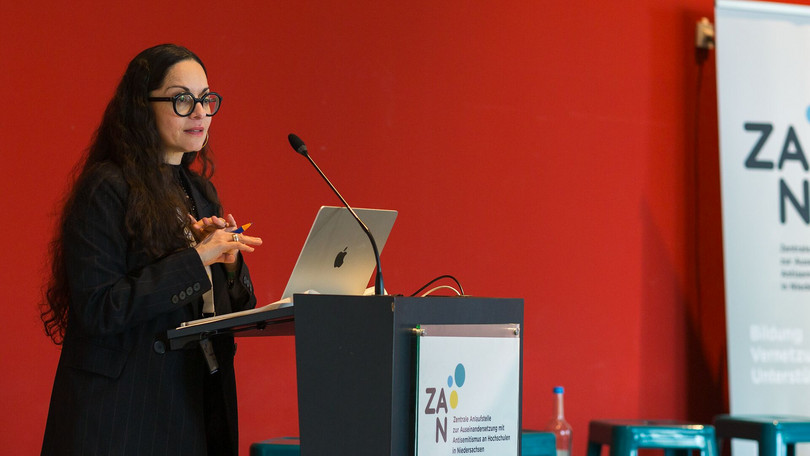
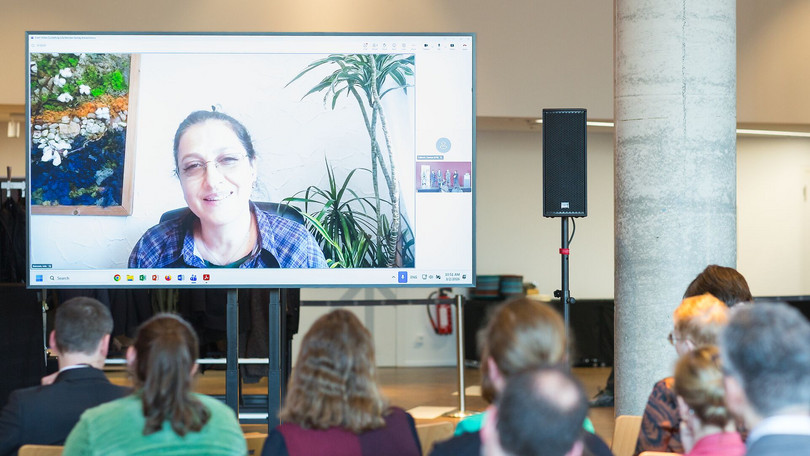
At the conference, participants received insights through keynote speeches, including those by Prof. Dr. Julia Bernstein, Chair of the Network of Jewish University Lecturers, and Marina Chernivsky, Managing Director of the nationwide counseling center OFEK e.V., into the experiences of Jewish people as victims of antisemitic violence and discrimination, Jewish perspectives, and the professional work and effective services offered by counseling centers. In workshops and exchange sessions, participants discussed how to address antisemitism at universities, continuing education and counseling services, and how to interpret antisemitic incidents. The participants gain a wealth of insights and valuable practical experience that will support their work addressing and preventing antisemitism at their respective universities, and they can draw upon a strengthened network.
(Caption below, from left to right: Panelists at the conference, Prof. Dr. Gerhard Wegener, Lower Saxony's State Commissioner against Antisemitism and for the Protection of Jewish Life, and Marina Chernivsky, Managing Director of the nationwide counseling center OFEK e.V.)