Master’s in Auditing: the next step towards success
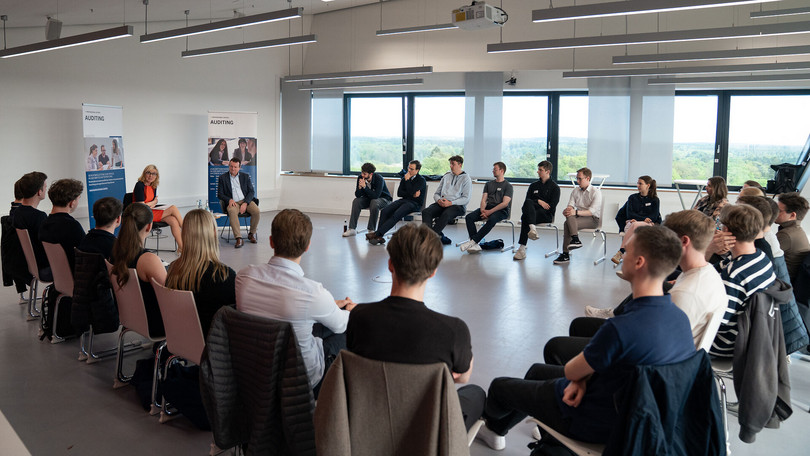
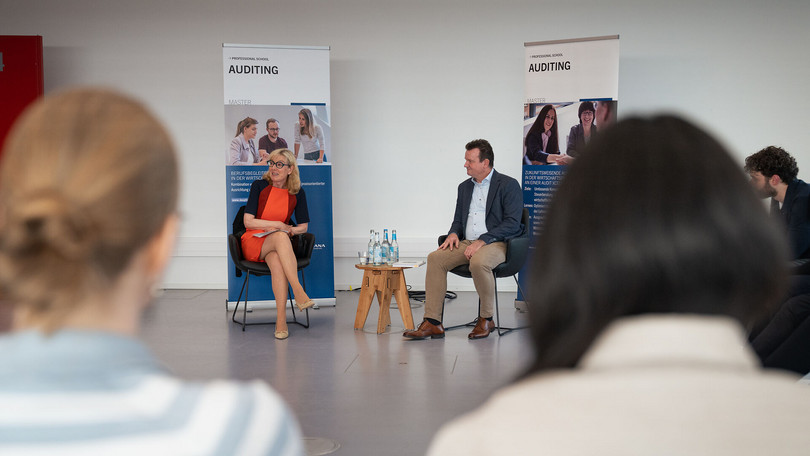
2026-05-04 The end of the second decade is within reach. For a degree programme, this is a testament to its quality. With the fifth renewal of the partnership between the Big 4 – the world’s largest auditing firms – as part of the AuditXcellence initiative, Leuphana University Lüneburg is setting an example: for a decade and a half now, the part-time Master’s programme in Auditing has stood for excellent preparation for the auditing qualification. The 15th cohort of students is now starting.
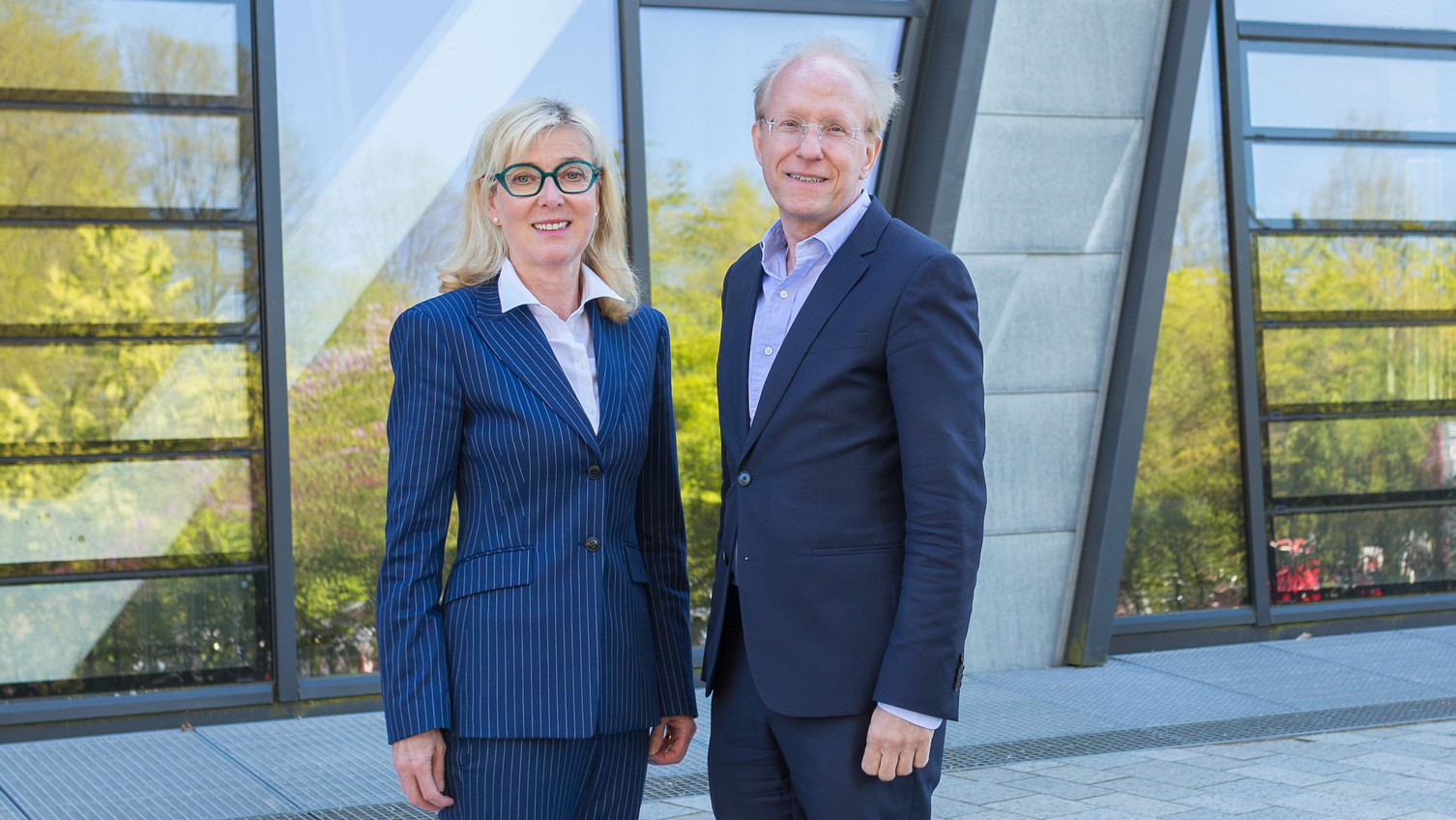
The knowledge imparted forms the basis for a successful examination. In this way, the Leuphana Professional School, which hosts the programme, makes an important contribution to providing up-to-date training in a highly regulated professional field in Germany.
In close collaboration with leading audit firms, students at Leuphana are specifically prepared for the challenges of professional life. This is not just about specialist knowledge. Developing a professional understanding is equally central to the training. After all, auditors bear responsibility for trust in companies and markets. Entire economies depend on this. Even the influence on democracy and its support by civil society should not be underestimated. The part-time degree programme stands for professional competence, sound judgement, integrity and strong communication skills. The ability to convey complex issues in an understandable way and to argue clearly even in critical situations is becoming increasingly important – as experience from recent years has shown.
A study model for regulated professions with a future
For Leuphana’s President, Sascha Spoun, the programme is a defining feature of the university’s curriculum. He says: “We see ourselves as a place where academics for regulated professions are trained in a modern way. The Master’s in Auditing exemplifies how we combine academic excellence with practice-integrated learning.” Another aspect is important to Spoun. Leuphana aims to provide multidimensional support for individuals on their diverse academic development paths. “We take this task seriously – from undergraduate teaching right through to Bachelor’s and Master’s examinations. And it is no less important to us, within the framework of academic continuing education, to address professional responsibility comprehensively alongside the imparting of specialist knowledge.” In this context, Sascha Spoun also mentions the new Lüneburg model for law studies. “Like the Master’s in Auditing, the Leuphana law programme embodies our commitment to breaking new ground in training for demanding, regulated professional fields.”
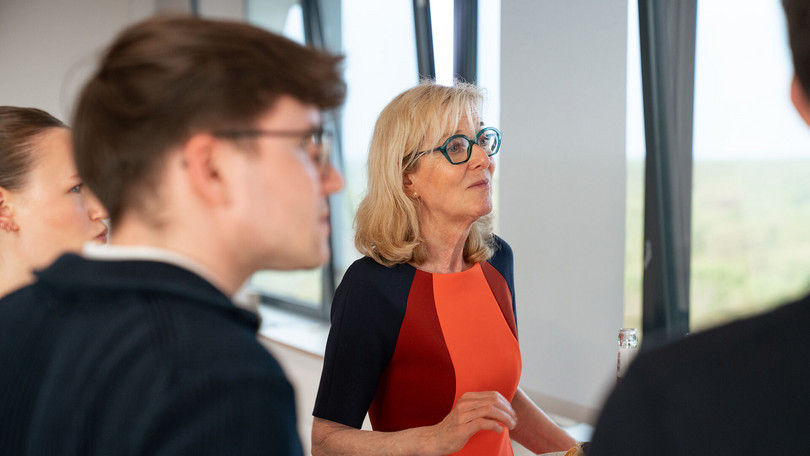
The programme director, Professor Dörte Mody, emphasises the programme’s strengths. She is head of the Institute of Auditing & Tax at Leuphana and explains: “The Master’s in Auditing builds on many years of expertise in training young professionals in the field of auditing. This experience is also reflected in the results: For years, our graduates have achieved an exceptionally high pass rate of over 80 per cent in the state auditing examination. This demonstrates how we successfully combine academic quality, targeted exam preparation and practice-oriented training tailored to industry needs.”
Lifelong learning in partnership
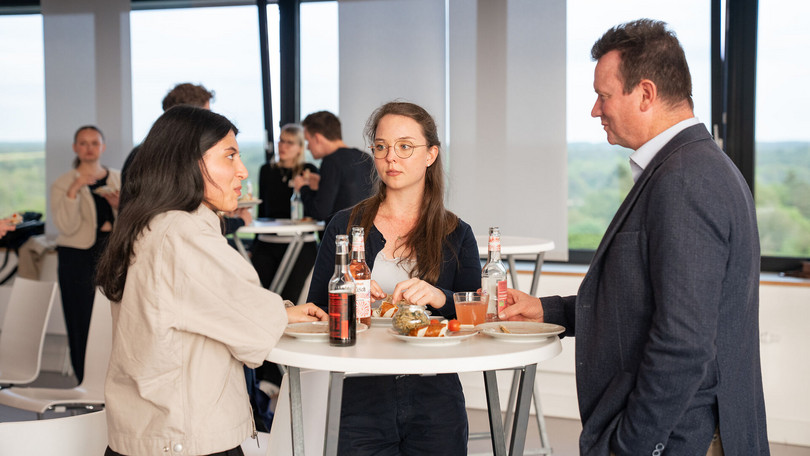
A key feature of the programme is its integration into a network comprising the university and industry partners. The Master’s programme embodies an understanding of lifelong learning based on cooperation: academia and industry jointly develop learning needs and content, continuously adapting them to new requirements.
For example, digitalisation and the use of artificial intelligence are noticeably changing the professional profile of auditing. Whilst routine tasks are increasingly being automated, analytical skills, data literacy and critical thinking are becoming more important. At the same time, communication skills are becoming even more central: auditors act as intermediaries between companies, investors and the public. Mody comments: “By consistently keeping our teaching content up to date, we enable our students to experience the profound transformation of the auditing profession first-hand and to prepare specifically for the challenges of the future.”
“Our long-standing cooperation with the Big 4 underscores the programme’s strong practical focus and demonstrates that the course is not only well-established but also remains fit for the future in a dynamic environment,” emphasises President Spoun, looking ahead to the next stage of success.