
Mastering Academic Publishing: Insider Tips for Early-Career Researchers
2026-07-07 Early-career researchers of Embracing Transformation and the School of Sustainability gained invaluable insights at Catherine Tait’s publishing workshop on July 2, 2026. From understanding editorial decision-making to mastering peer review responses, attendees learned how to strategically position their work, avoid common pitfalls, and build confidence in the publication process.
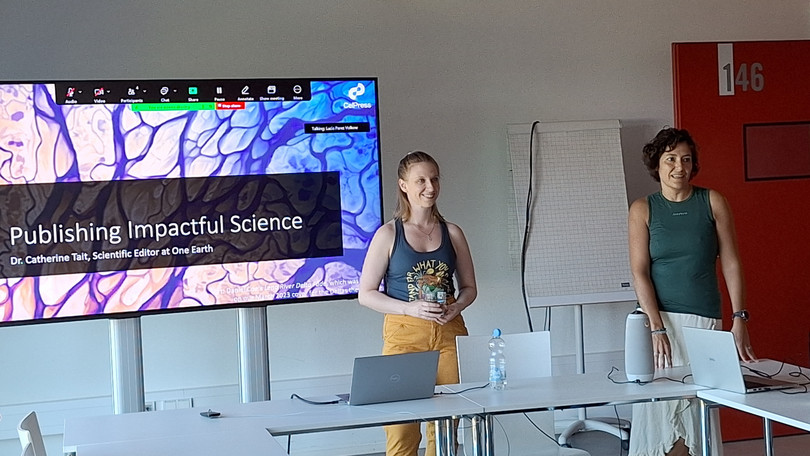
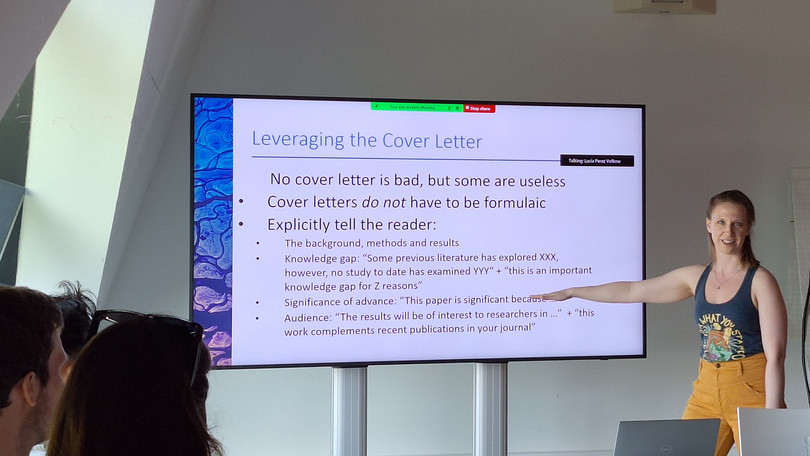
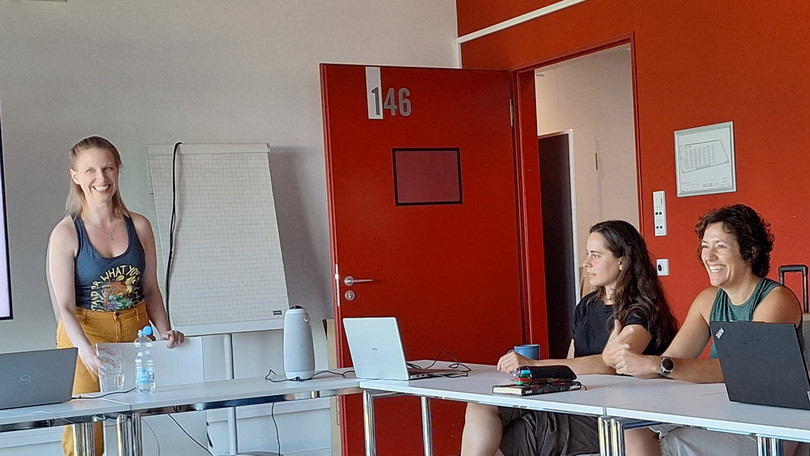
The workshop opened with an encouraging insight: most rejected papers are not necessarily flawed—just misaligned with a journal’s scope. Catherine Tait, Scientific Editor at One Earth, emphasized that editors are scholars with doctorates who deeply understand their fields, making editorial decisions rooted in expertise: “I can say, as an editor, I rarely see science that is bad. If a paper is rejected, it is usually because it doesn’t fit the journal’s scope. In that case, I recommend transferring to a different journal.” For selecting the right journal, authors should ask questions like: Who is my target audience and is my advance relevant on a global, national or regional scale?
A major takeaway was the transparency around peer review. Tait explained that reviewers are carefully selected not only for scientific expertise but also for familiarity with the study’s geographic or cultural context—ensuring balanced, informed evaluations. She also offered practical advice: not every reviewer comment needs to be addressed. Researchers should prioritize meaningful revisions, respond thoughtfully to unaddressed points, and don’t hesitate to contact editors for clarification. “I’m here every step of the way,” she affirmed. Even though the process takes time, it is essential according to the editor: “Peer review is not a hurdle but a necessary safeguard for rigorous science.”
Attendees also gained practical tools to strengthen submissions. Tait encouraged authors to engage editors before submission—using pre-submission inquiries or forms—to gauge fit. Additionally, she highlighted the power of a compelling title—ideally showcasing key findings—and a concise abstract that tells a mini-story to hook reviewers. “Reviewers are your first readers,” she said, urging authors to craft submissions that invite engagement.
The session empowered early-career researchers to navigate the process with confidence by understanding editorial workflows, strategically selecting journals, and responding thoughtfully to feedback. Tait’s guidance—rooted in empathy, expertise, and accessibility—left participants not only informed but inspired to submit with purpose. One participant commented: “Your explanations are not only valuable for publication, but also generally help in writing a truly good academic paper.”
The workshop for early-career researchers was organized by the School of Sustainability in collaboration with the “Embracing Transformation” program—initiated by Prof. Dr. Berta Martín-López (Social-Ecological Systems Institute), who serves as co-director of the Leuphana Transformation Lab and is active in the key subject area “Toward a Regenerative Society”.