
Dr. Ronja Gerdes
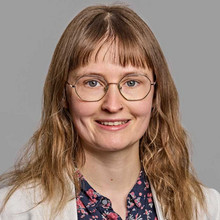
Vita
Ronja Gerdes studied psychology at the Technical University of Braunschweig. She did her PhD on the acceptance of environmental policies at the Otto-von-Guericke University Magdeburg. In 2025, she had a position at the University of Hohenheim, funded by the Margarete-von-Wrangell Juniorprofessorship and did research on sustainable consumption. Since Dezember 2025, she is a postdoctoral researcher in the project "Embracing Transformation" at the Leuphana University Lüneburg.
Projects
-
Embracing Transformation: Psychology of Transformation
Oliver Genschow (Project manager, academic) , Ronja Gerdes (Coordination) , Mayleen Luisa Schack (Project staff)
→Project: Research
Publications
Journal contributions
- Exposing the privacy paradox as a chimera
Juliane K. Bücker (Author) , Ronja Gerdes (Author) , Tobias Dienlin (Author) , Florian G. Kaiser (Author) , 09.10.2026 , in: European Journal of Psychological AssessmentResearch output: Journal contributions › Journal articles › Research › peer-review
- Die Kluft zwischen Dringlichkeit und Umsetzbarkeit der Klimapolitik – am Beispiel des CO2-Preises
Ronja Gerdes (Author) , Florian G. Kaiser (Author) , 01.01.2024 , in: InMind, 2024, 1Research output: Journal contributions › Journal articles › Research › peer-review
- A general explanation for environmental policy support: An example using carbon taxation approval in Germany
Ronja Gerdes (Author) , Emily Bauske (Author) , Florian G. Kaiser (Author) , 01.09.2023 , in: Journal of Environmental Psychology, 90 , 11 p.Research output: Journal contributions › Journal articles › Research › peer-review
- Supporting and expressing support for environmental policies
Florian G. Kaiser (Author) , Ronja Gerdes (Author) , Fenja König (Author) , 01.05.2023 , in: Journal of Environmental Psychology, 87 , 10 p.Research output: Journal contributions › Journal articles › Research › peer-review