
Diversity Day 2026: Between Background and the Lecture Hall
2026-05-18 Annika Geis and Martha Rossmann are active in the student initiative ArbeiterKind.de. They build bridges, provide information about financial aid options, and establish networks for young people whose families do not take higher education for granted.
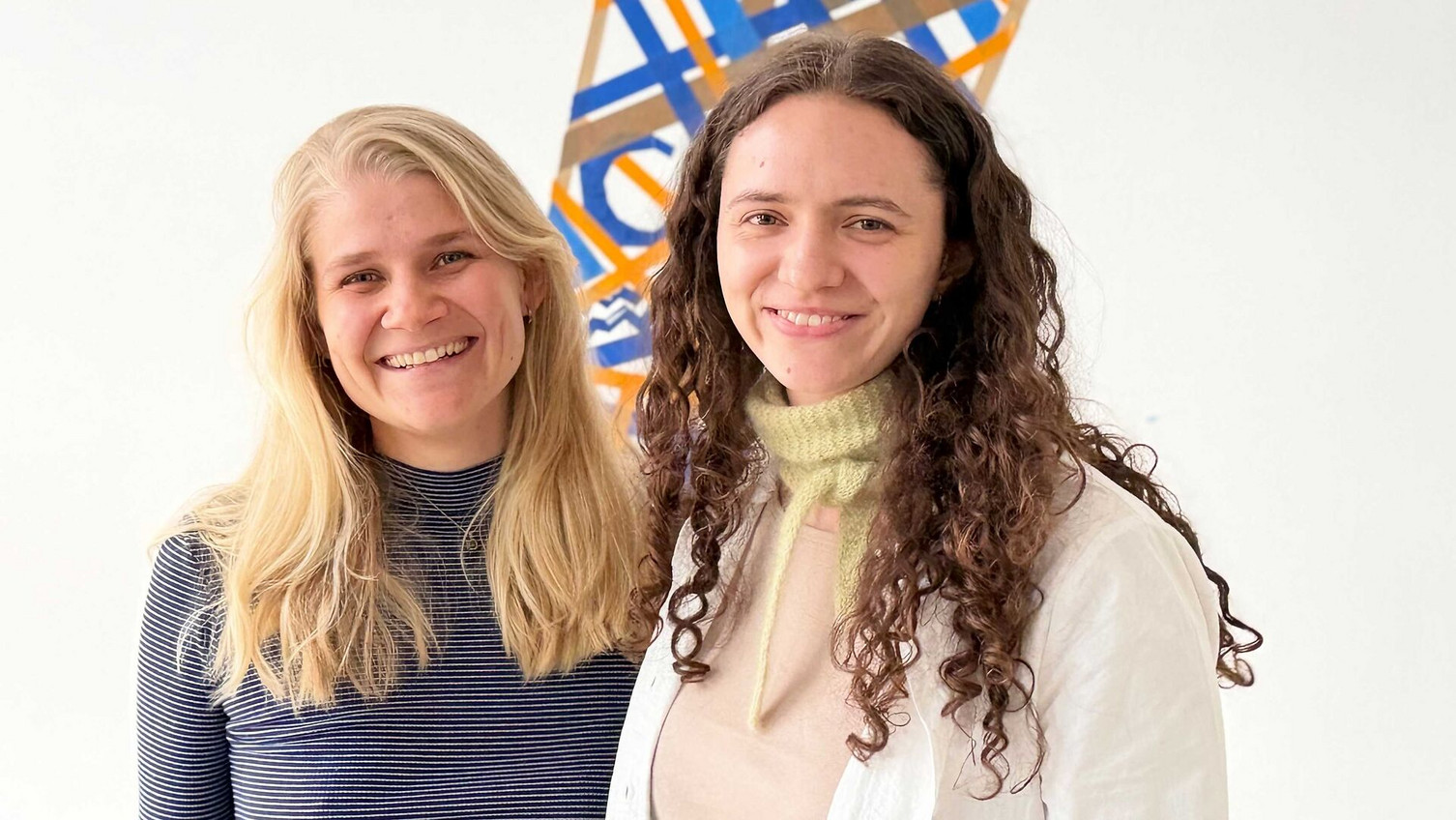
In elementary school, all children still learn together. But the path to higher education is unevenly distributed: While about three-quarters of children from families with parents who hold advanced degrees go on to study, only about one-quarter of young people from households without parents who hold advanced degrees do so. “Education in Germany often works like a funnel: the higher the level of education, the more one’s background determines one’s path,” explains Martha Rossmann. She has been involved with ArbeiterKind.de for two years.
The student initiative aims to build a bridge to university for young people who would like to study but lack the confidence to do so because of their background: “Often, they simply lack the network. Many have no idea what university life actually looks like: What are modules? How do I register? What do I need? Not every university has an orientation week like Leuphana’s, where so many tutors provide support,” explains Annika Geis.
Often, prospective students opt for vocational training instead because they can start earning money right away: “That’s why we provide information on funding options like Bafög or scholarships, which are often specifically advertised for first-time university students,” explains Martha Rossmann.
She is originally from North Rhine-Westphalia and is studying International Business Administration & Entrepreneurship. The student is particularly interested in the intersection of business and sustainability, which is why she chose Leuphana. Martha and Annika know that despite good academic performance, the step to university is not necessarily a given for many first-time college students.
The ArbeiterKind.de initiative is present wherever young people are looking for guidance: in schools, at career fairs, or at information events. There, Annika and Martha not only discuss pathways to higher education but also share their own stories. For many first-generation college students, the transition to university can feel like moving between two worlds. “It shouldn’t be that way,” says Annika Geis.
Added to this is the imposter syndrome that first-generation college students may experience in university settings. Through discussions as part of the ArbeiterKind.de initiative, Annika learned that some members have already found themselves in a situation where, although they were able to solve a university challenge in terms of content, they were still plagued by insecurities regarding their own abilities. This experience is not foreign to her either. The exchange with like-minded people has been encouraging for her and motivates those interested to get involved with the initiative.
For both students, one thing is clear: vocational training and university studies are two different paths—neither is better than the other: “But anyone who wants to study should have the opportunity to do so and feel confident in their ability to do it—regardless of their background.”
Open meetings
ArbeiterKind.de invites interested individuals to open meetings at the Trafos (the former row of shops) every first Thursday of the month. An information evening will be held there on May 27 starting at 6:30 p.m., where interested individuals can learn more, exchange ideas, and make initial connections. Those who prefer to write can also contact ArbeiterKind.de by email.