
Diversity Day 2026: Memes Highlight Classism
2026-05-18 Prof. Dr. Anna Ramella explains why social background matters at the university—and how she aims to empower students.
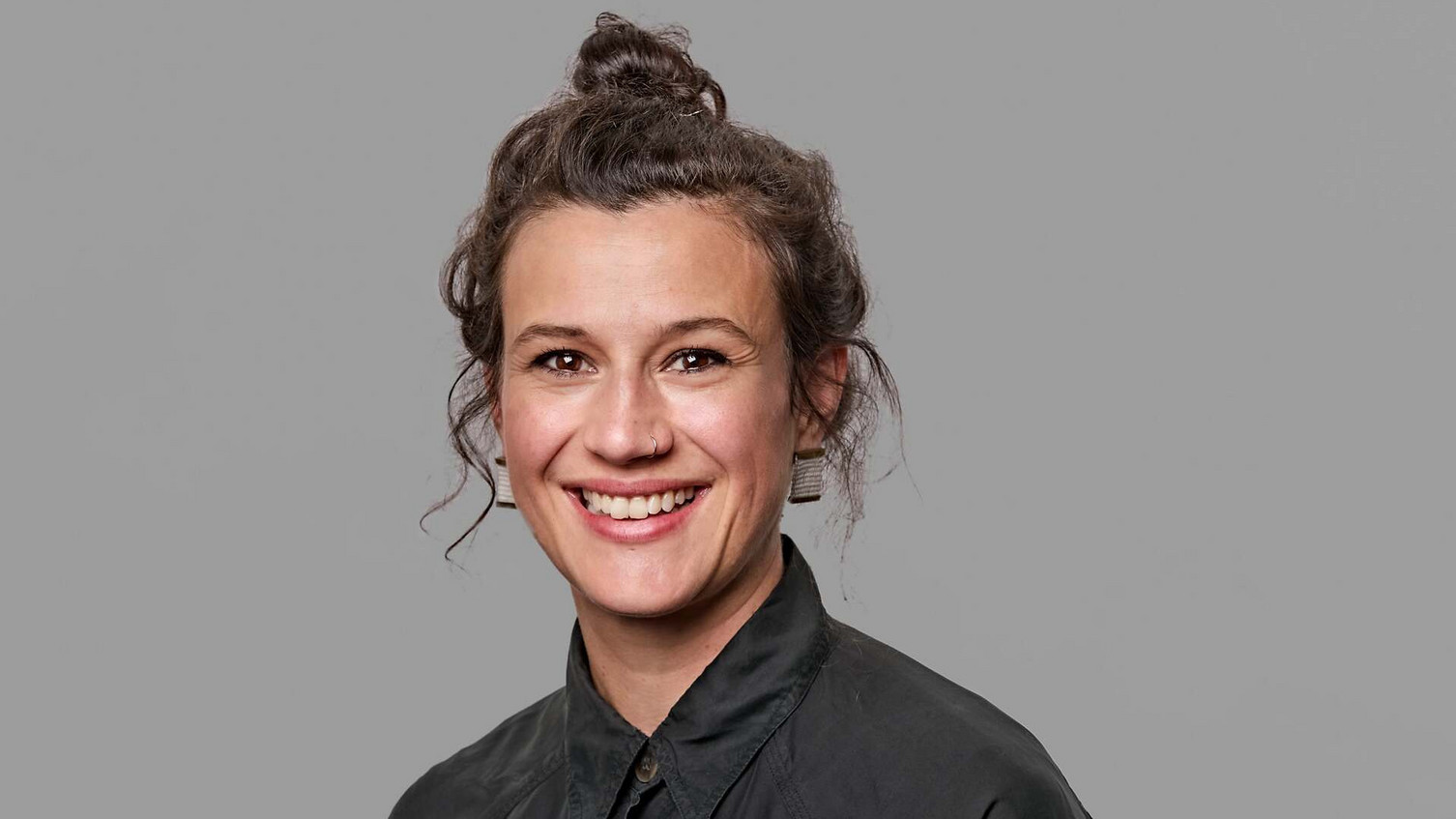
Classism describes the devaluation, discrimination, or exclusion of people based on their social background or economic status. So it’s not just about “rich” and “poor,” but about societal notions of who is considered “educated” or “capable”—and who is not.
Anna Lisa Ramella is committed to raising awareness of this issue: “From the very beginning, it was important to me to develop formats that raise awareness of classism while simultaneously empowering students who come to university with different backgrounds,” explains the assistant professor of cultural studies methods.
A key point: The ability to engage in academic work is fundamentally present in many people. “Navigating the university system, however, is not just a matter of subject-specific competence, but also of familiarity with a certain habitus,” she explains. That is, the way one speaks, behaves, and perceives oneself.
A meme workshop aims to help participants give voice to their own experiences. Together with journalist Caren Miesenberger, participants will learn to use combinations of images and text to shed light on social issues. “The goal is to transform even difficult experiences into something empowering,” explains Anna Lisa Ramella. The series begins on June 9. Caren Miesenberger is a German cultural journalist, author, and media creator who focuses particularly on feminist perspectives, digital culture, and sociopolitical communication. She is best known for the Feminist Meme School she founded.
She highlights the relevance of the topic: “Classism causes us to lose potential and valuable perspectives.” She also takes a critical view of the widespread narrative of “social mobility”: “Who defines what is up and what is down?”
In her teaching, Anna Lisa Ramella generally strives to break down barriers. One example is the digital tool Particify, which allows students to ask questions anonymously. “Not everyone feels comfortable speaking in front of 180 people,” she explains. There are many reasons for this, ranging from personal insecurities to a lack of familiarity with academic communication. Anonymous formats could help foster greater participation here. This isn’t solely about social background, but about increasing participation overall: “Even introverted students or those who lack confidence benefit when teaching is made more inclusive.”