
Inside and Out: How Leading Art Museums Navigate the Questions of Our Time
2026-07-24 How do you deal with populist currents, with climate activists choosing art museums for their interventions – and what effect does this all have on a team whose primary mission is to realise exhibitions? Under the title "Expanding Art Museums", the Leuphana Innovation Community Arts and Culture brings together international art museums twice a year to exchange views on exactly these questions of cultural organization. Prof. Dr. Timon Beyes from Leuphana and Inka Drögemüller, Deputy Director for Audience Engagement at The Metropolitan Museum of Art in New York, offer an insight into this intimate circle of renowned art museums.
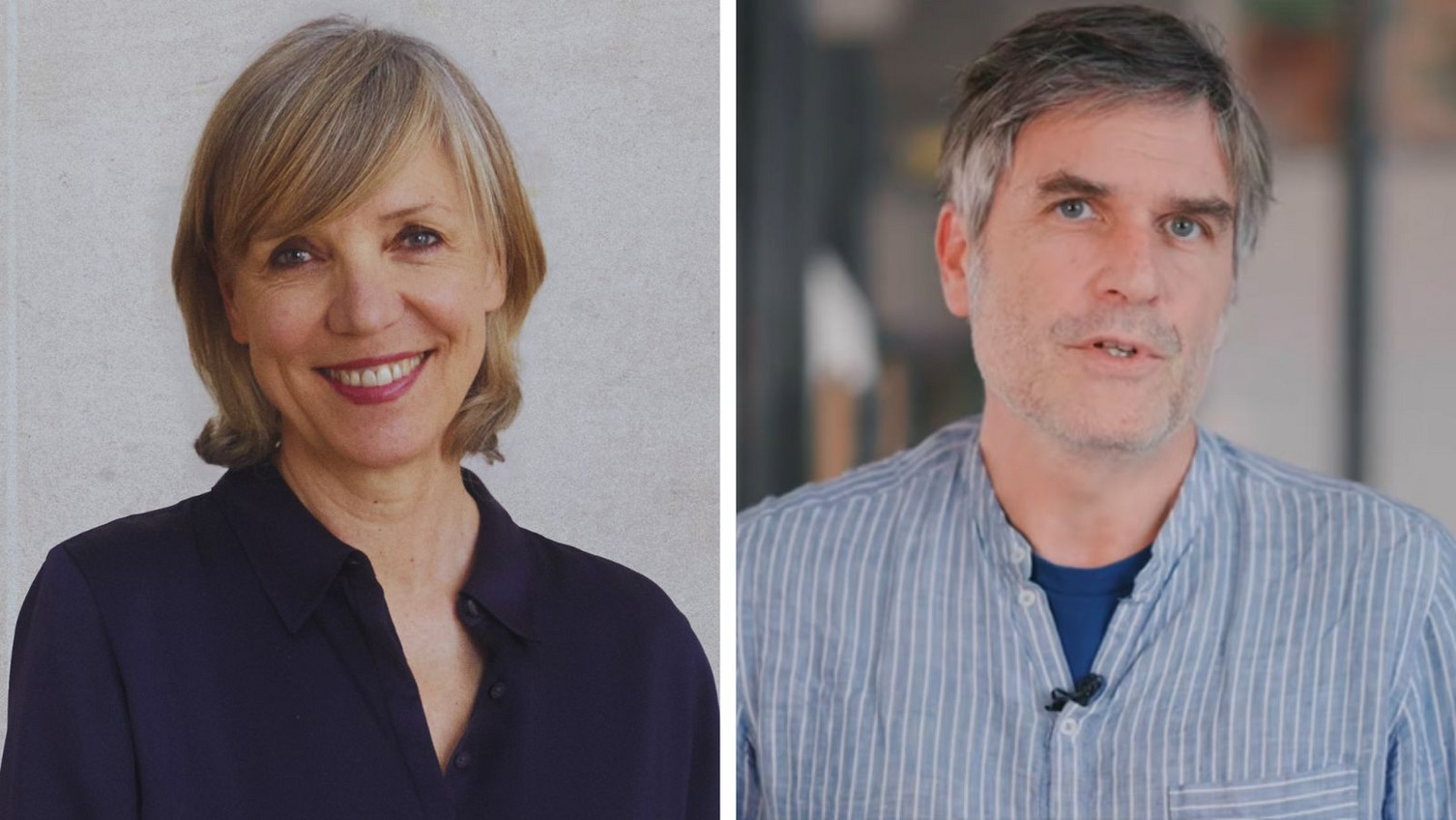 ©Metropolitan Museum of Art, New York u. Leuphana Media Studio
Julia Valtwies: Timon Beyes, what does "Expanding Art Museums" mean to you?
Timon Beyes: For me, it means having the wonderful opportunity to conduct research with and at leading art museums, and to explore questions of organizational theory in depth – particularly by listening to and learning from the people who do the actual work there. In art museums especially, I see a very high level of reflection on organizational challenges, possibilities and problems.
Valtwies: Why is this format needed right now?
Beyes: Because art museums are paradigmatic organizations. They are at the center when it comes to negotiating societal conflicts. Political antagonisms around the rise of populist movements, ecological movements that choose art museums to throw mashed potato or pumpkin soup at paintings, the Israel-Palestine conflict, the effects of digital technologies – all of these issues lead us back quickly to art museums as organizations where these questions must be particularly carefully negotiated.
Valtwies: Why is that?
Beyes: Because they are perceived as public institutions whose mandate is to preserve and update a cultural memory – and that effectively obliges them to take a position on current issues.
Valtwies: Inka Drögemüller, as Deputy Director for Audience Engagement, "Expanding Culture" – opening the museum to new audiences and new formats – is at the heart of your daily work. What motivated you to join the community? What questions were you hoping to find answers to?
Inka Drögemüller: I was immediately on board, because I had had an incredibly positive experience working with Timon Beyes and Leuphana, back when I was still at the Städel Museum in Frankfurt. By the time Expanding Art Museums came together, I was already in New York, and I was very happy to be able to participate. I find it interesting that Timon observes such a high level of reflection in museums. On one hand, he is absolutely right – but on the other, it is only through this project that we are actually able to talk about it with others. These reflections otherwise tend to happen very selectively and within one's own bubble. Moving from a German to an American museum was the biggest culture change of my life – and being part of this project at the same time helped me enormously to reflect on what we do, why we do it, and to recognize that all museums face very similar challenges.
Valtwies: What kind of challenges, for example?
Drögemüller: The MET has an encyclopedic collection – we practically represent the entire world on Fifth Avenue. This means that in every project, we are called upon to engage with diverse framework conditions of different cultures . And because we are a public, large and prominent space, we come into focus very quickly. In the early days of Expanding Art Museums, we mainly discussed our external image. Within the course of the project, the focus shifted to internal communication, collaboration, and how we handle criticism. The two are closely connected.
Beyes: The core question of the project is really: What do you show on the outside – and how do you live it on the inside? Art museums have a high level of reflection on societal issues. The question is how high that level is when it comes to internal organizational questions. Simply having time for this is often the limiting factor. This project serves to sharpen that perspective.
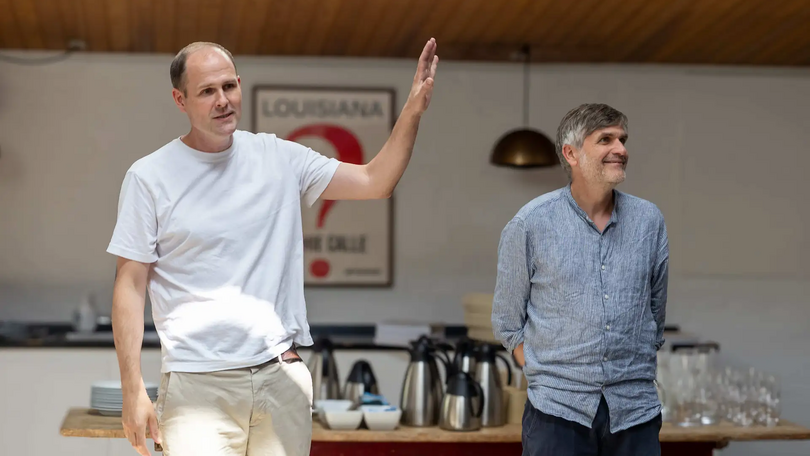
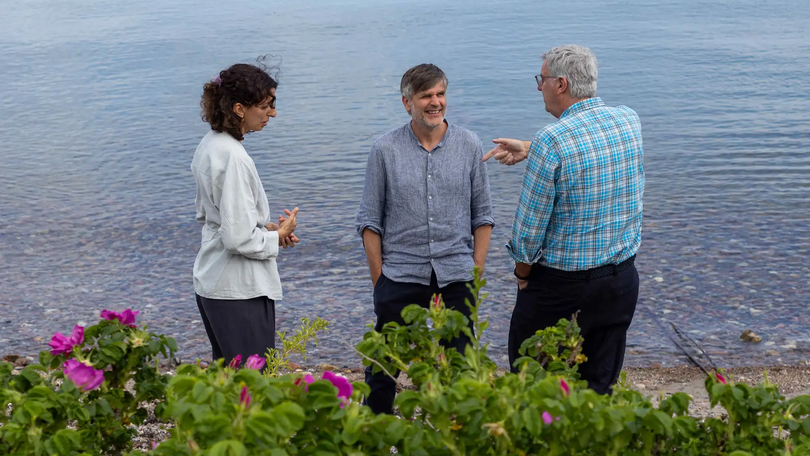
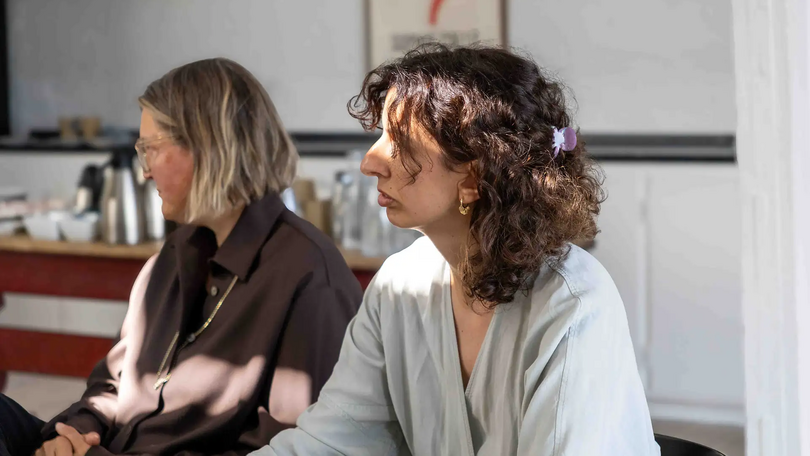
Valtwies: Which contribution has surprised you the most or stayed with you the longest?
Beyes: Our visit to the Louisiana Museum in Denmark in May this year is still resonating with me, because it was the most recent meeting – an impressive site. I kept asking myself: what is not working well here? What was fascinating, for instance, was the Louisiana Channel, which was developed as an internal side project, conceived journalistically as an independent way of offering aesthetic content. From that, a carefully curated video channel has emerged, that has become a big success story for the museum.
Drögemüller: What impressed me most was the consistency. The founder had a vision and established it so resolutely – he chose a museum director who had been a journalist, because he liked his thinking and what he had written. The freedom to operate like that is extraordinary.
Valtwies: What are your most important insights from the workshops so far?
Drögemüller: One major insight was how valuable it is to refocus on what we were originally set out to do. Our role as a museum is not to simply take a side, but rather to represent complexity and provide resources and context. Being driven by polarized debates is the wrong approach. We have all learned to be more resilient – not by issuing statements, but by contributing to a more nuanced framework, because reality is complex.
Beyes: What surprised me was how inevitably politicized these institutions are – and how that politicization is negotiated internally. Also, that a degree of temporary depoliticization can be entirely appropriate: stepping back from certain debates, no longer feeling obliged as an art museum to always take a stance. How political fault lines are navigated in everyday working life – that I find genuinely fascinating.
Valtwies: What do you hope for the future of the project?
Drögemüller: I hope it continues. We have become a group that knows each other well and trusts each other. We can address certain topics very openly. Timon Beyes and Max Schellmann from Leuphana bring a clear academic perspective that often lifts the conversation to a meta-level – something we don't have in our everyday life at the museum otherwise. And it's precisely that, which so often leads to entirely new thinking. After every workshop, I return to the MET and hold a meeting with my core team to share and discuss: What did I learn? What can we adopt? The exchange with colleagues from other institutions and their experience help me implement changes.
Valtwies: You also connect the community with teaching, visiting participating museums with students, in collaboration with the University of St. Gallen. What value does this create for the institutions?
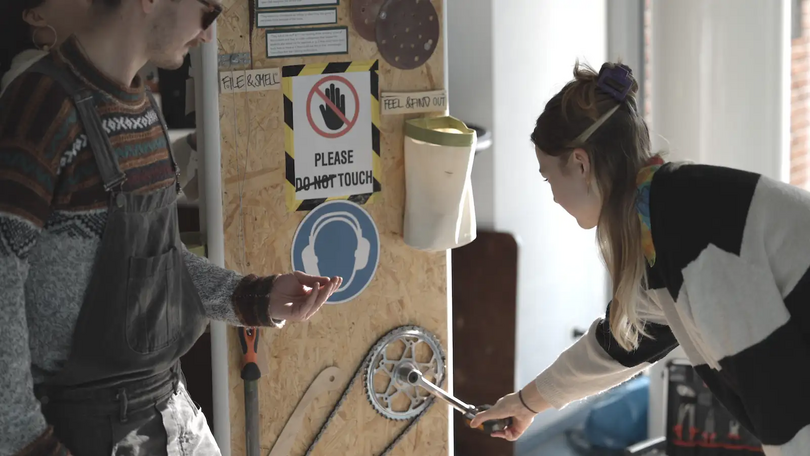
Beyes: The participating institutions generously open their doors, so that 25 to 30 students can study their everyday organizational life for a week. At the end, the students exhibit their observations and their analysis to the museum. It is a wonderful learning laboratory. And my impression is that the institutions receive it with great enthusiasm. It can be eye-opening to have students hold up a mirror to see how your own organization really works.
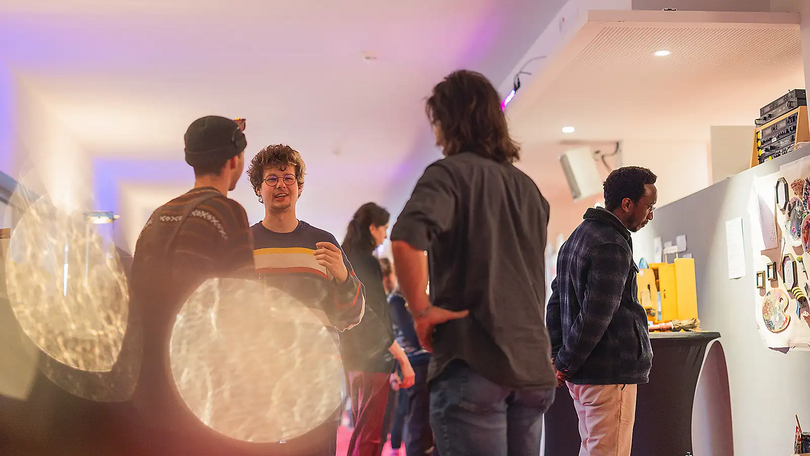
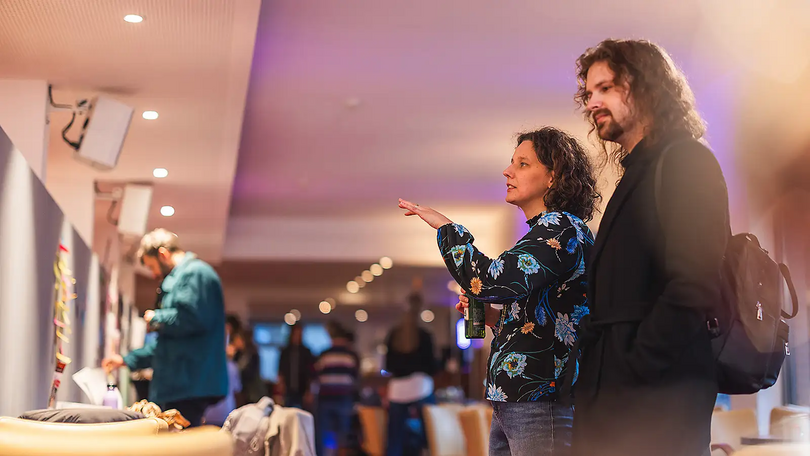
On the web portal www.expandingartmuseums.com, the community regularly publishes contributions on the workshops of the international art museums. The accompanying Instagram account @expanding.art.museums offers further insights. In addition, a handbook is currently in development under the working title "Art Museums A–Z", in which all participating museums and researchers are contributing entries on key concepts in cultural organization. From 2027, these will also be made available digitally on the web platform.
The following institutions are part of the "Expanding Art Museums" sub-project of the international Leuphana Innovation Community Arts and Culture:
- Zentrum Paul Klee, Bern
- Kunstmuseum Basel
- MUDAM Luxembourg
- Louisiana Museum of Modern Art, Humlebæk
- Metropolitan Museum of Art, New York
- Lenbachhaus, Munich
- Österreichische Galerie Belvedere, Vienna
- Munch Museet, Oslo