
Conducting Research in North America: Academic Exchange and Lasting Connections
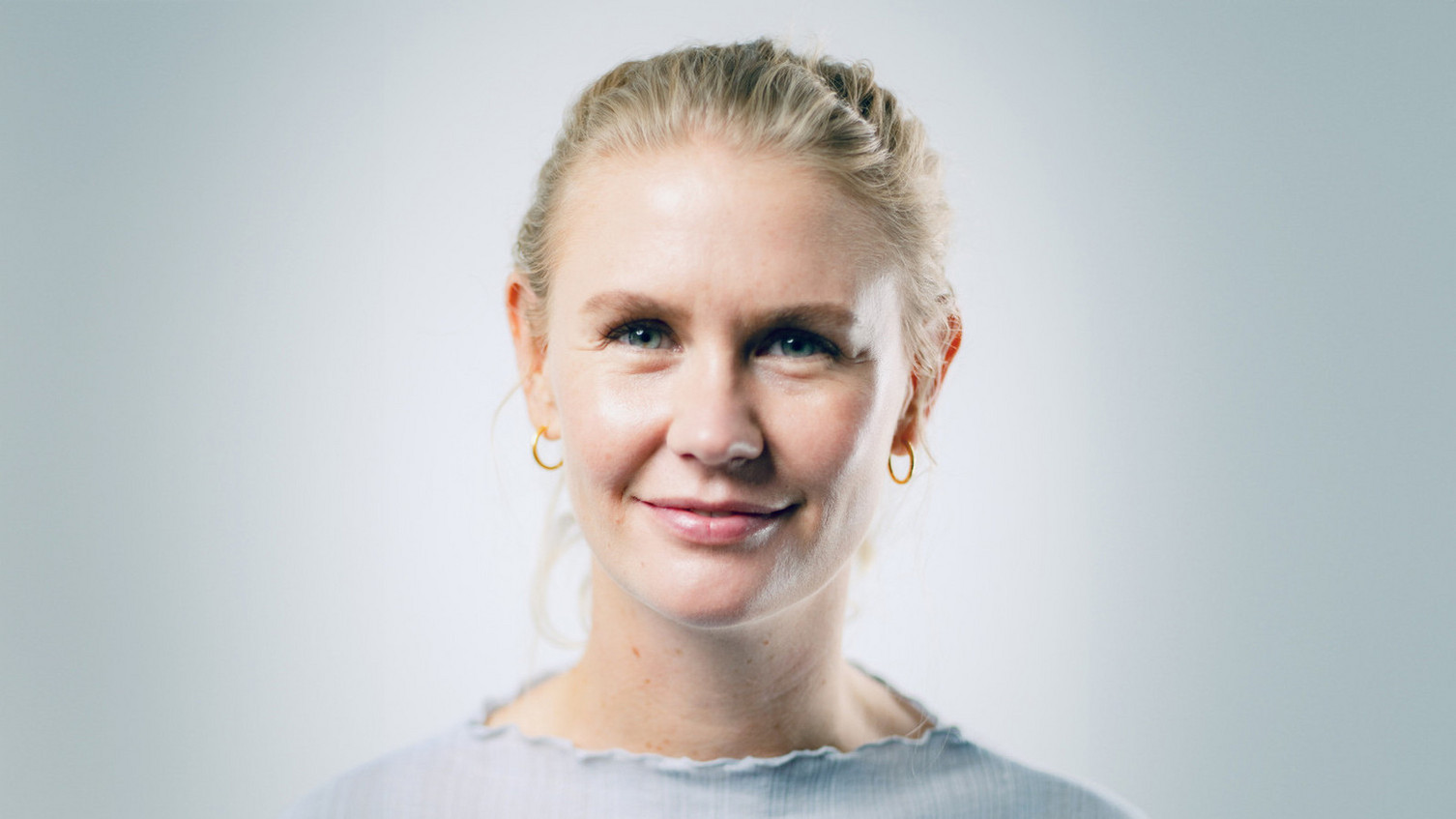
2026-11-20 Research stays in Vancouver and California gave Randi Heinrichs new insights into her research on digital cultures and provided space for in-depth exchange and focused writing. In this interview, she reflects on formative collaborations, the challenges of navigating different academic systems, and how international encounters can lead to lasting connections and friendships.
What kind of international experience did you undertake during your doctorate?
One of my doctoral advisors was Wendy Chun at Simon Fraser University in Vancouver. This connection grew out of her close collaboration with the Center for Digital Cultures at Leuphana. I spent two extended periods in Vancouver working with her and her team at the Digital Democracies Institute.
My dissertation combined historical and ethnographic research, including fieldwork on the tech industry around Silicon Valley. I therefore also spent time in the San Francisco Bay Area. These research stays were already part of the plans for my position when it was advertised, so they were funded through the research project I worked on.
Having a local university affiliation was also helpful, particularly for arranging my visa. I was a research fellow at UC Davis, where I worked with colleagues in Science and Technology Studies (STS), and later at UC Berkeley, where I participated in the Algorithmic Fairness and Opacity working group.
What worked particularly well?
My second stay in Canada was repeatedly postponed because of COVID. That meant constantly adapting plans and coordinating with the Canadian fellowship programme to make sure I could retain my funding.
When I finally went, I used those three months to finish the first complete draft of my dissertation. Each month, I had a writing deadline followed by a feedback meeting, and I flew home with a full draft.
That combination of protected writing time and regular feedback worked really well for me. Being far from home helped me focus, while exploring a different place after work gave me fresh inspiration—and reminded me that there was a life beyond the dissertation.
What challenges did you encounter?
One challenge was navigating different academic cultures and publication requirements. Because my doctoral committee was international and part of my fieldwork took place in the US, I wrote my dissertation in English. My supervisors also encouraged me to publish it with an American academic press.
But the German doctoral process and North American publishing timelines do not fit together easily. At Leuphana, publication is required to formally obtain the doctoral title. American academic presses, meanwhile, generally expect a substantially revised book rather than the dissertation itself—a transformation often undertaken during a postdoc.
I also had to learn a different submission process, including how to write a book proposal tailored to a particular press. The challenge was balancing the university’s requirements with the time needed to develop the proposal and revise the manuscript. I eventually secured a contract with my first-choice publisher, although the book is still a work in progress. Getting there meant navigating two systems with quite different expectations.
What did you gain from the experience, both personally and academically?
Academically, working with Wendy Chun and her team at the Digital Democracies Institute gave me access to new research materials, broadened my perspective, and led to lasting collaborations. Through our joint research, I visited Columbia University’s Rare Book & Manuscript Library in New York, where I found archival material that became central to my dissertation.
It was also exciting to bring my background in media and cultural studies into dialogue with Science and Technology Studies (STS) in California. I continue to draw on those experiences through my involvement in the German STS association, STSing. One of those connections also led to a collaboration on a special issue of Urban Studies, which I’m co-editing with colleagues—including someone I met at one of the legendary STS camps on the coast near San Francisco.
Personally, I came home each time with unforgettable memories and new friendships. I’m still close to many of the people I met. In fact, I’ll be spending Christmas in San Francisco this year.
What advice would you give to other doctoral researchers considering a similar step?
My advice would be: go for it—and, if possible, stay a little longer than you initially planned. Give yourself time to find your feet. Everything takes longer when you haven’t established routines or found your way around. Universities can be labyrinths, jet lag doesn’t help, and all the new impressions can be overwhelming. Settling in takes longer than you think—and that applies to coming home, too.
Dr. Randi Heinrichs completed her doctorate at Leuphana University Lüneburg in 2023 under the supervision of Prof. Götz Bachmann and Prof. Wendy Hui Kyong Chun. Her dissertation, “Anonymity reprogrammed,” examined how digital platforms and personalization technologies are changing our understanding of anonymity. Important parts of her research developed during research stays at Simon Fraser University in Vancouver and the University of California, Berkeley. Combining ethnographic fieldwork and historical analysis with media and cultural theory, her work sought to understand and critically examine new forms of anonymity and identifiability in digital cultures.