Bob Blume: School should open its doors
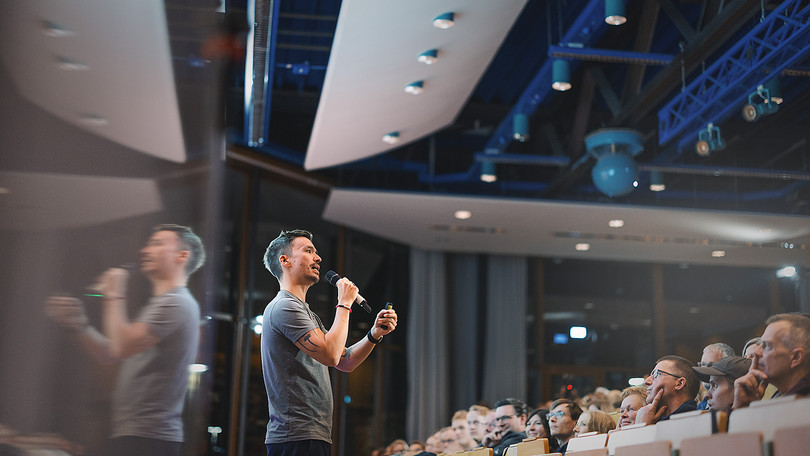
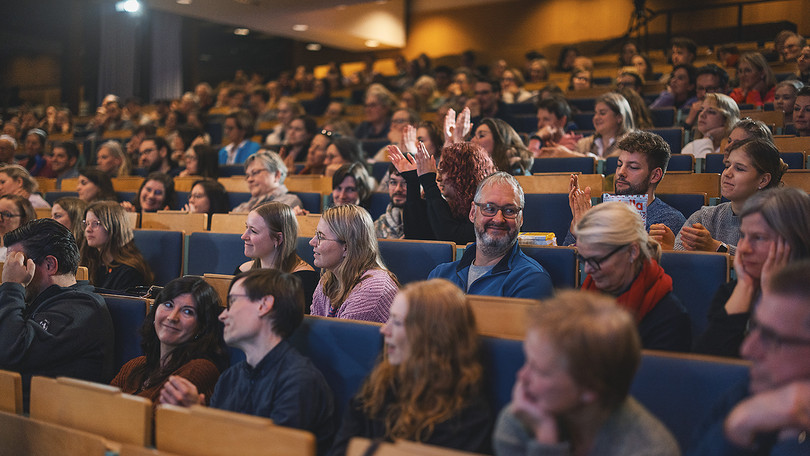
2025-11-27 “Maybe we should burn down the school” versus “we need more courage—maybe it will turn out okay”—this was the range of opinions expressed during the panel discussion with education activist Bob Blume on the topic “Why learn anyways?”. Around 350 guests attended the discussion, which was organized jointly by the Literaturbüro Lüneburg and the Leuphana Innovation Community School Development and Leadership.
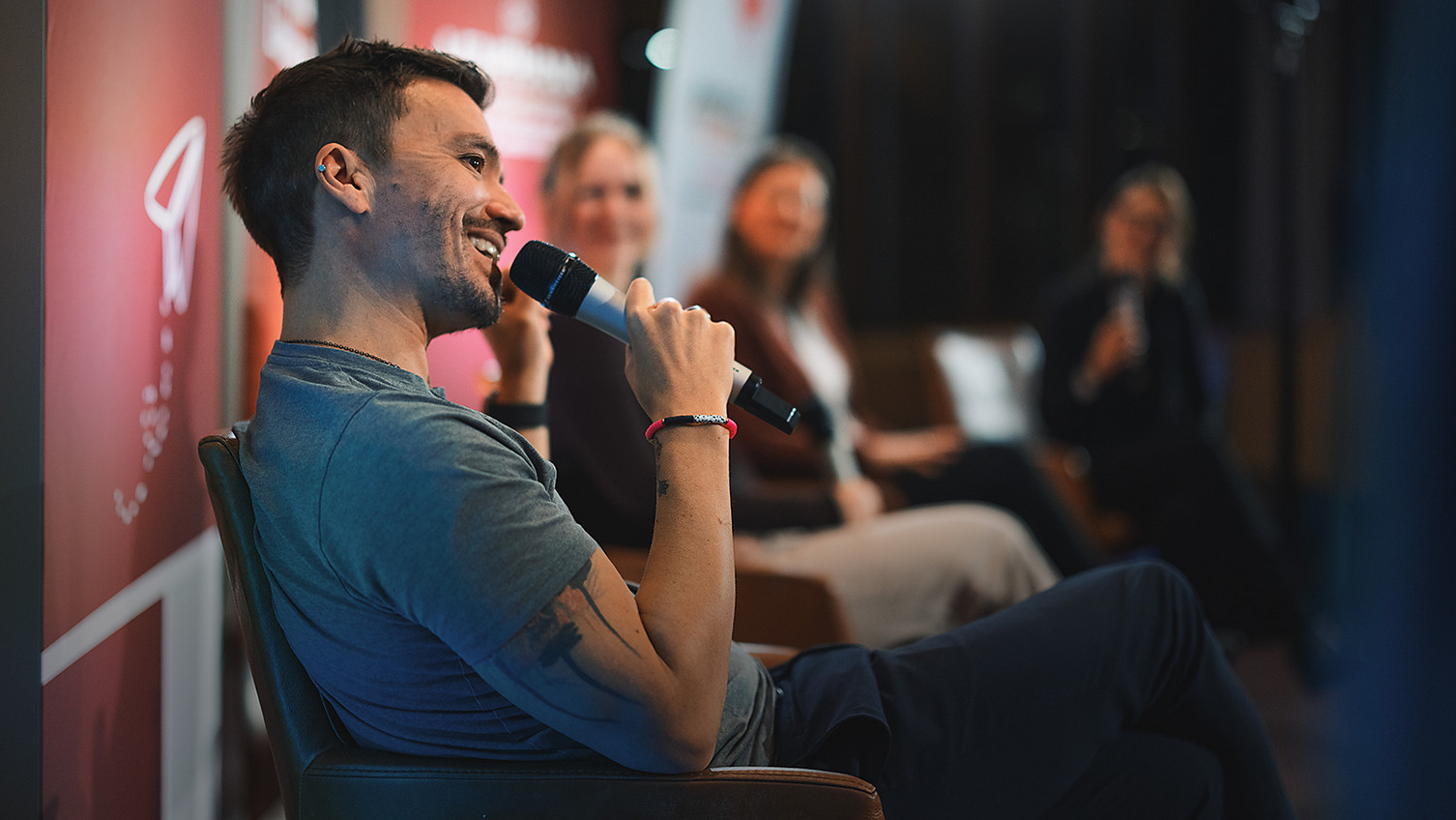
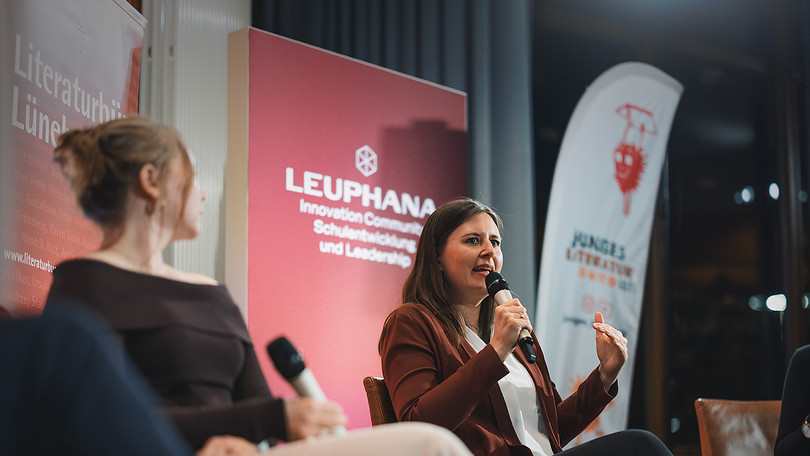
The discussion between Bob Blume, Prof. Dr. Simone Abels, and district student representative Marie Sievers touched on several current challenges facing schools today, including banning mobile phones in schools, open learning formats, and innovative teacher training. Spiegel author Silke Fokken moderated the discussion. Based on Blume's podcast title “Die Schule brennt” (The school is burning), student Marie Sievers ventured the following thesis right at the beginning: “Maybe it would be better if the school burned down completely and we then had the opportunity to build something new.”
Everyone involved agreed that something must change. However, representatives from schools and research institutions engaged in lively debate about whether radical change was needed, as Sievers demanded, or whether changes could be made within the existing system. According to Bob Blume, in addition to the courage to change, what is needed above all is a genuine interest in the students and their issues. Only then teachers can design lessons that truly resonate with their students. This also involves opening doors by including people in the learning process who can demonstrate to children and young people how what they learn relates to society and their everyday lives.
COURAGE TO EMBRACE OPEN LEARNING FORMATS
As a professor of science education, Simone Abels emphasised the importance of inquiry-based learning and its associated successes. For example, the Leuphana Innovation Community School Development and Leadership is working with a school to develop concepts for what is known as “Free Day.” These are project phases in everyday learning during which students work independently on topics. The school can develop further in an evidence-based manner and change the system from within. This is just one example of several cooperation projects between the university and schools through which the community is jointly redesigning schools.
In all aspects, the panelists made it clear that motivated people are needed above all else to drive change processes forward. In her role as Vice President for Teacher Education, Simone Abels promoted teacher training at Leuphana University: “We need the brightest minds who really want to make a difference.” And Bob Blume concluded with the words: “It always has to do with courage, on the part of teachers, but also on the part of parents.” Because – and this was another point on which Blume and Abels agreed – it takes many actors to set out on this path together. And so Bob Blume concluded with the words: “Maybe it will turn out well.”