
Practicing instead of Performing: Care in local Art Institutions
2026-05-13 What does “care” actually mean? What do visitors, staff, and artists need from local arts and cultural institutions? And what structures can help firmly embed care within the cultural sector? Questions like these are discussed by institutions worldwide. In Lüneburg, the Leuphana Innovation Community Arts and Culture will address the topic at the Zukunftsfoyer on May 19, 2026, at the Theater Lüneburg. Lisa Deml, director of the Halle für Kunst, and organizational researcher Prof. Dr. Boukje Cnossen are discussing the right wording and suggestions for a supportive work environment in the arts.
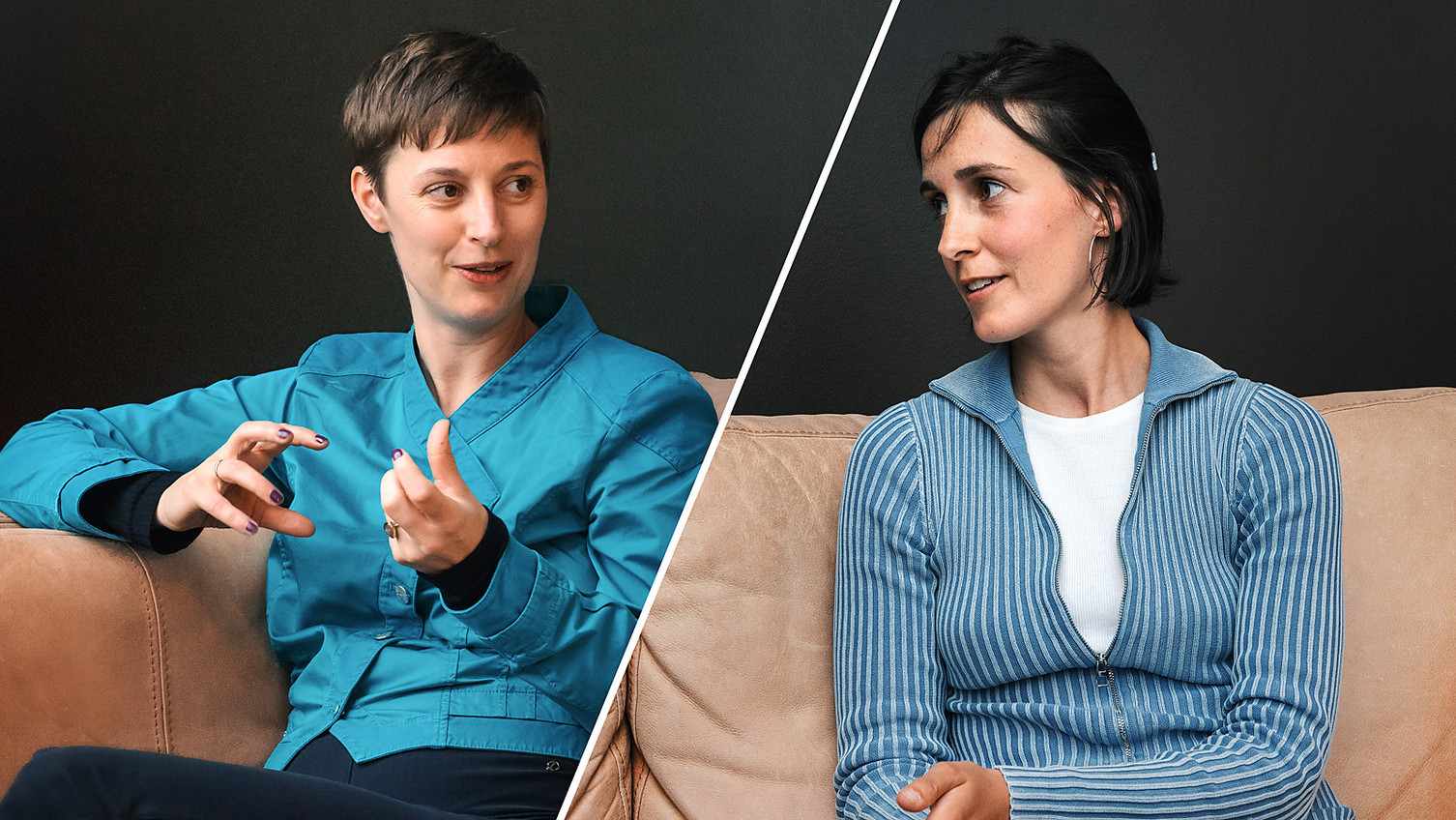
Julia Valtwies: What do you mean by the term “care” – or in German Fürsorge – in local art and cultural institutions?
Boukje Cnossen: The terms “care” and “curator” come from the same root, the Latin verb curare (to care). I think this is one reason why the term has become so prominent in recent debates in the arts. Another reason is, that in independent art spaces, practices of organizing and curating are often precarious, which brings up the question, how you can care for people and the institution or organization. So care, or Fürsorge, becomes relevant on many levels, but I'm not sure they mean exactly the same.
Lisa Deml: As I understand them, the terms don’t mean the same exactly. What I like about the German Fürsorge is that it already addresses someone or something. It has “für” in it—caring for. “Care” in English feels more like an umbrella term. It’s being used so widely in contemporary arts that it has almost been emptied of meaning. Fürsorge, on the other hand, is inherently relational.
Valtwies: And who are you addressing with that?
Deml: We care for our members of our Kunstverein by organizing excursions, tours and assemblies; for our team by building internal feedback and support structures like monthly jour fixes and an annual breakfast; for our visitors by trying to attending to their needs and mediating our program; and for the artists we work with through travel and childcare arrangements or artist fees, for instance. Marie-Sophie Dorsch, with whom I am directing the Halle für Kunst Lüneburg, and I, we try to build long-term relationships.
Cnossen: I find that really interesting and also wonder if the term “care” sometimes comes with expectations that are too high. Given the conditions in the art field, it’s not always possible to care for everything and everyone.
Deml: I agree. There’s a certain idealism involved. Marie and I, we are trying not to pass on precarity, so we act as a buffer zone. And we are trying to establish a rhythm that is slower. For example, we introduced four-week intermissions in between exhibitions. But we actually don’t use the word “care” in our public communication. There are so many contemporary art exhibitions about “care,” that have been produced in quite careless ways. It is our aim to practice care, not to perform it.
Cnossen: Yes, this performative aspect of care can be problematic. That raises the question of how useful the term still is.
Limitations made Visible
Valtwies: Where do you see limitations of care?
Deml: Limitations are real. When we face them, we try to make them visible. If we run out of money, then the Halle might still be open, but perhaps without an exhibition. We want to be transparent about our working conditions.
Cnossen: What I like about what you’re saying, is that limitations are contextualized. They should not be absorbed by individuals. But sometimes the ambition to care can also feel patronizing, in the sense that you decide to take care of someone without knowing if they want or need that.
Valtwies: What role does the community in Lüneburg play in strengthening care?
Deml: A huge one. There is a growing network of cultural institutions and organizations in Lüneburg. Especially in the light of funding cuts, such cooperations and collaborations are more important than ever. It’s about sharing resources.
Cnossen: I am very happy, that with the work of our researcher Lana Bartusch in the Leuphana Innovation Community Arts and Culture, we can highlight these collaborations. She is becoming a part of these spaces and has a role in shaping their network at the same time. That’s why she can tease out the very specific ways in which these organizations are dealing with the circumstances that they work in. It's about dealing with precarity, but it's also about their awareness of how they are different. It's about humor as a coping mechanism sometimes. She can contextualize certain processes or problems through her research.