Critical Studies M.A. – Nikolas Geier: A Network of Thoughts
2026-08-17 Nikolas Geier’s transition into his career is seamless: In the coming weeks, he will submit his master’s thesis and is already working full-time as an assistant curator at the Kunstverein Harburger Bahnhof. Prospective students can apply for the master’s program “Critical Studies” until August 31, 2026.
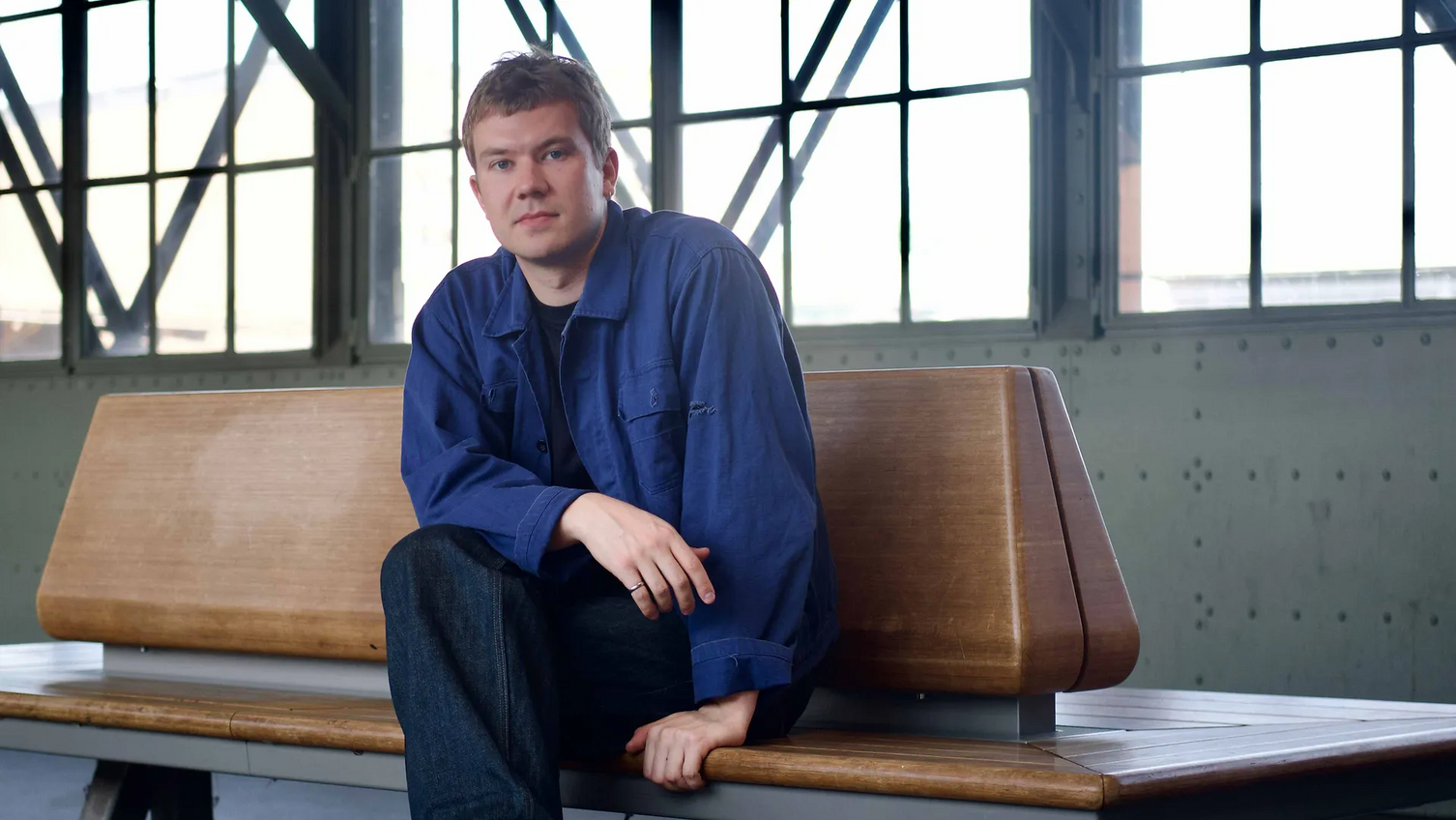
Nikolas Geier is hard to reach at the moment. His master’s thesis and new job are keeping him busy. He hadn’t really expected to land the coveted position as assistant curator at the Kunstverein Harburg: “I was honestly surprised that my very first application worked out,” he says.
But perhaps his professional success is also due to the good mix of practical experience and theoretical knowledge that Nikolas Geier brings to the table: Even while studying art history and philosophy, he was already active in the art scene, organizing exhibitions, mentoring artists, and curating shows. But at some point, he found himself less drawn to the fast-paced nature of Berlin’s art scene: “I sometimes had the impression that so much is happening and being produced in the capital’s art scene that there’s often little room left for an in-depth exploration of content.”
He also lost interest in the master’s program in philosophy he had started, due to its disciplinary narrowness. “I was looking for a space for discourse and, at the same time, more room to actually be able to study in depth.” Nikolas Geier set out on a search and found the degree program “Critical Studies.”
“I also deliberately looked for a smaller setting. In Lüneburg, I felt for the first time that I could study in peace. Everything is close by. I spent a lot of time in the library, immersing myself in books.” Exciting and intense discussions often arose in the small study groups: “The interaction with the faculty was also close. My professors were always approachable. On the Leuphana campus, there’s a different way of interacting than in Berlin,” explains Nikolas Geier.
During his studies, he explored current discourses on contemporary art, as well as classical art history, postcolonial theories, and Marxist approaches: “I love theoretical work. During my master’s program, a whole new network of ideas opened up for me. I now have a much better understanding of the significance of university research for the art world.”
Now he’s building that bridge himself: As part of a small team, the young assistant curator organizes exhibitions, mentors artists, conducts research, drafts grant proposals, and handles organizational tasks such as transport and setting up exhibitions. Once Nikolas Geier submits his master’s thesis in the coming days, things will quiet down a bit for him again. He looks back positively on the past few years: “Over the course of the four semesters, I’ve come to understand more and more what it’s like to work in the art world and how it functions—both on an intellectual and substantive level.” This solid theoretical foundation is now helping him make a smooth transition into his career: “I speak the same language as my colleagues,” says Nikolas Geier.