
Dissertation Awards 2025
Leuphana University of Lüneburg confers up to five Dissertation Awards each year to honour remarkable academic achievements in the field of the doctorate. These awards recognise outstanding research work submitted and defended by doctoral candidates at one of Leuphana's five schools within one academic year. The Dissertation Awards provide the winners with visible recognition for their future careers.
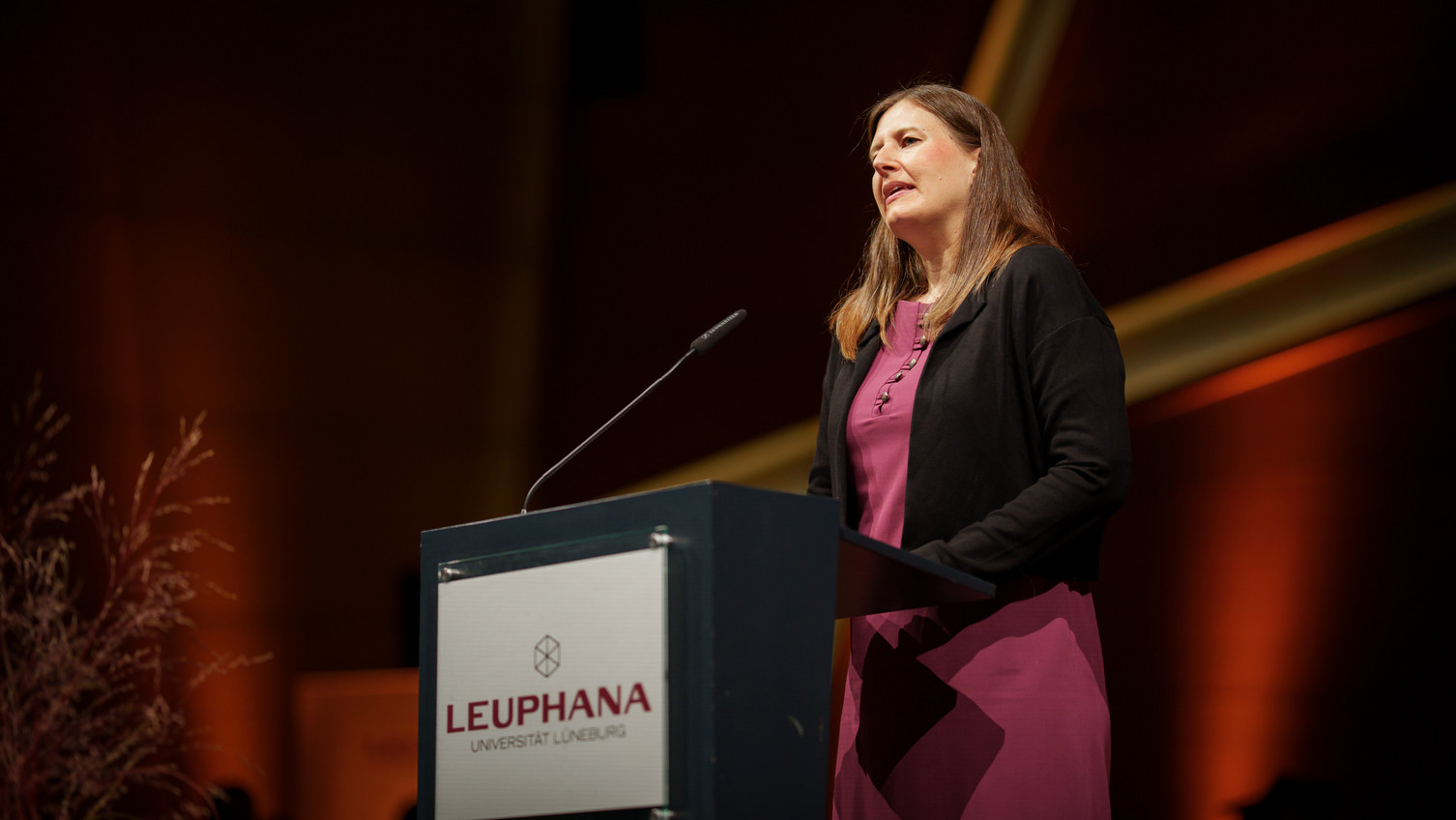
The presentation of the Dissertation Awards 2025 took place at the graduation ceremony on November 8, 2025 in the Audimax of Leuphana's central building.
The ceremony was followed by an informal get-together of the award winners and their accompanies with first supervisors, the Graduate School and other representatives of the university, during which the award winners had the opportunity to give a brief thematic insight into their dissertations or research topics in a 3-minute pitch format.
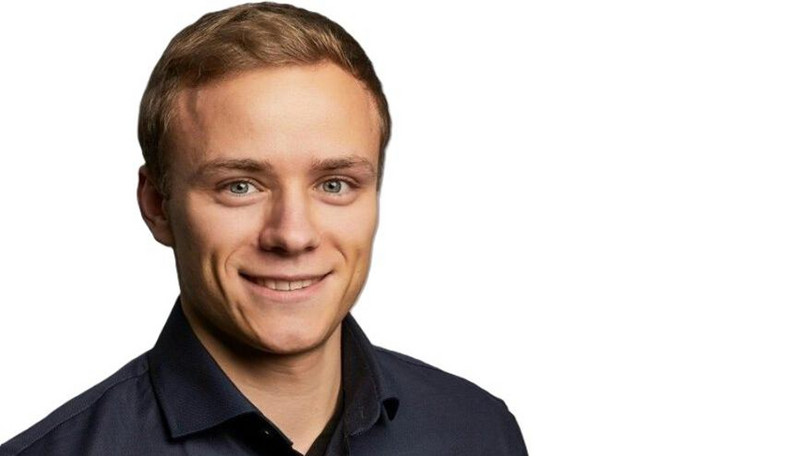
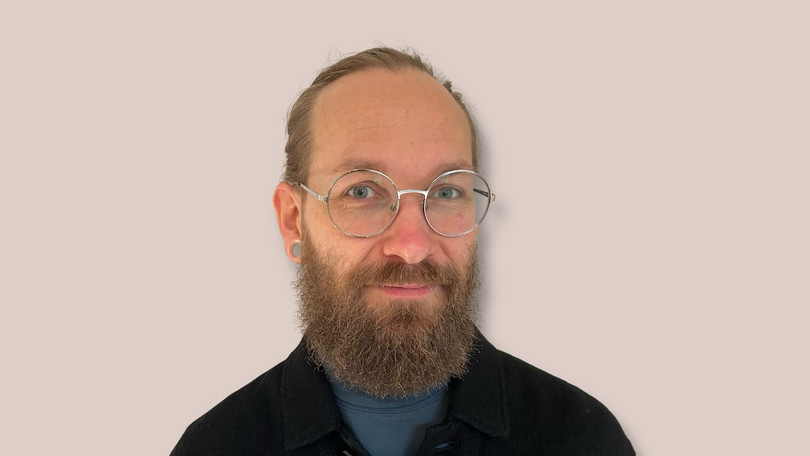
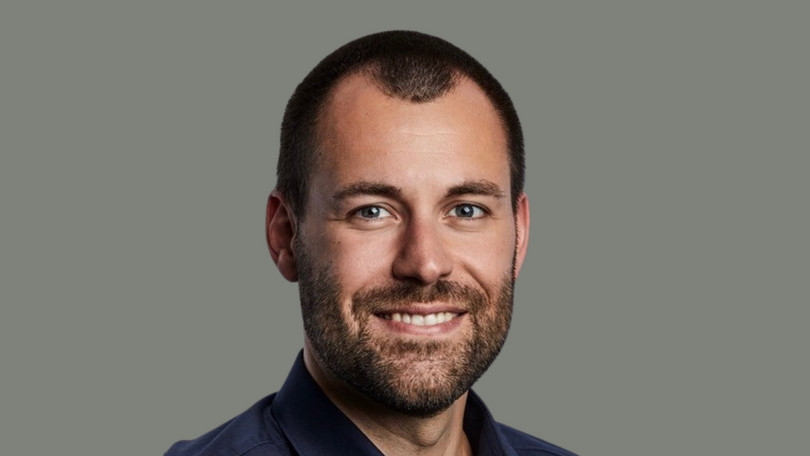
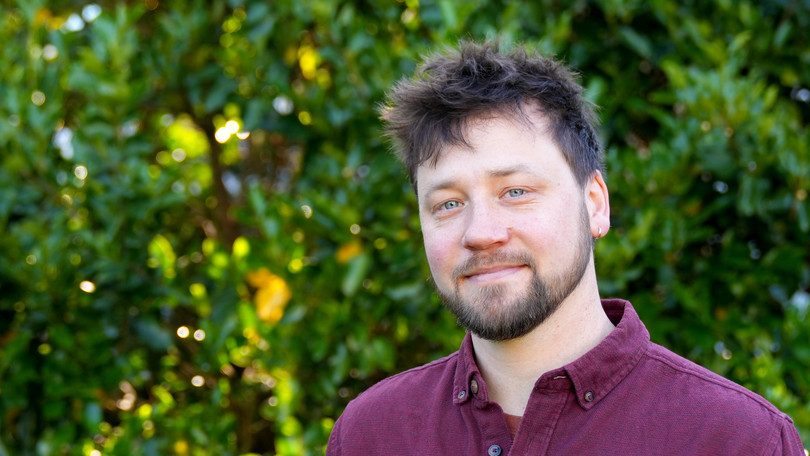
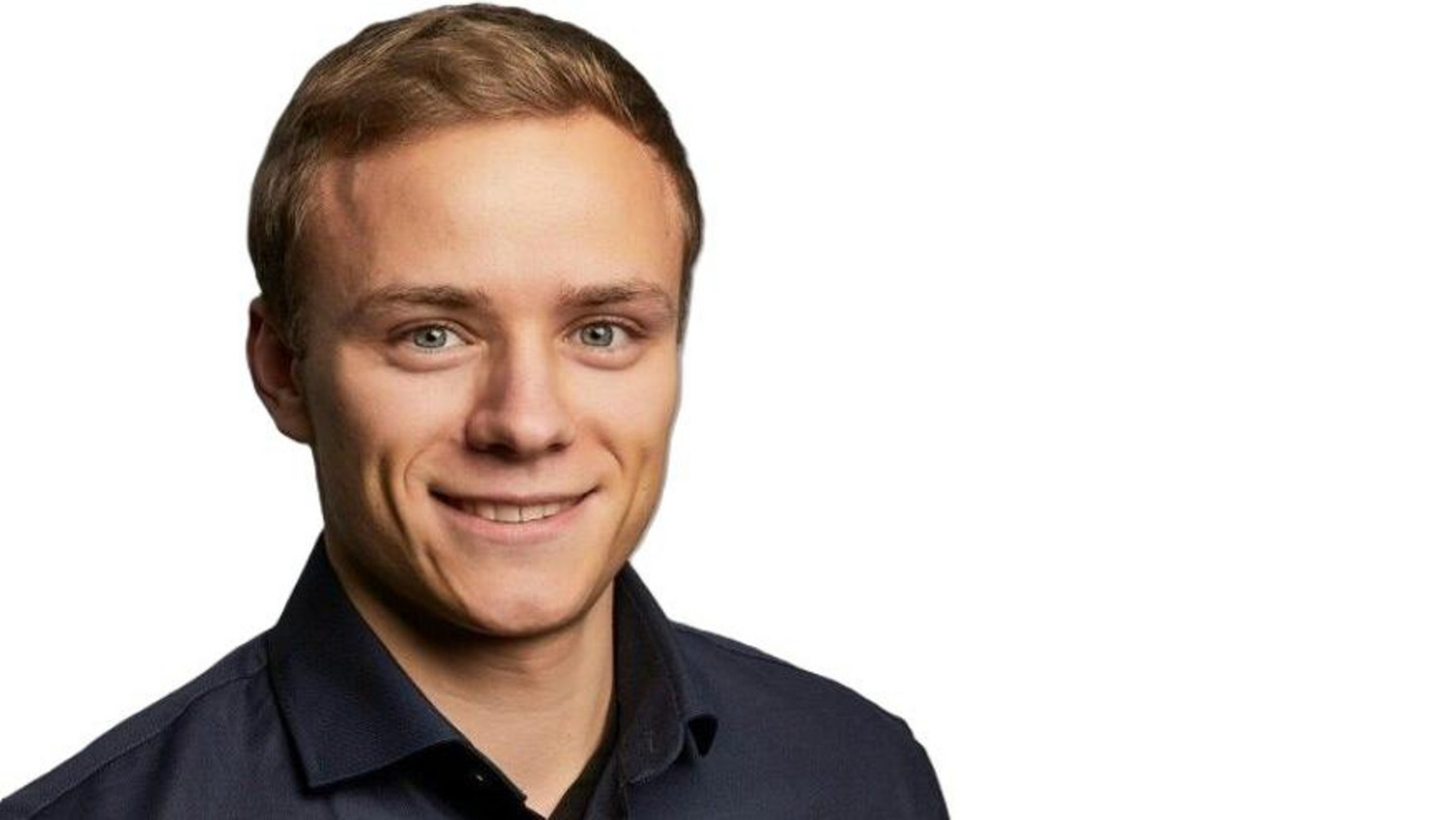
Dr. Mats Petter Kahl
Leuphana University of Lüneburg awards the Leuphana Dissertation Award to Dr. Mats Petter Kahl for his dissertation entitled ‘Competition in the German Market for Gasoline Retailing’.
Dr. Mats Kahl presents an outstanding scholarly achievement with his dissertation. Two articles from his cumulative dissertation have been published in the top journal of the field. Thematically, Mr. Kahl examined the distinctive pricing patterns of the German fuel station market. His work is characterized by methodological precision and the innovative use of a dataset from the Market Transparency Unit of the Federal Cartel Office. Central questions include whether fuel discounts actually reach consumers, why prices rise again after phases of decline, and how fuel stations behave in border regions, yielding nuanced, practice-relevant insights.
What motivated you to pursue a doctorate and why did you choose Leuphana?
I decided to pursue a doctorate rather late in my master’s program. The excellent supervision provided by the Institute of Economics (IVWL) at Leuphana University of Lüneburg, especially by my first supervisor for both my master’s thesis and my dissertation, Prof. Dr. Thomas Wein, was decisive. My second supervisor, Prof. Dr. Boris Hirsch, who also supported me throughout my master’s and doctoral studies, was an invaluable guide on my path to the doctorate. The exchange with the research-active IVWL sparked my interest in academic work. In addition, my enthusiasm for learning motivated me to further deepen my methodological and disciplinary expertise by taking many additional doctoral courses both within and beyond Leuphana University. I am very grateful for the excellent conditions provided by Leuphana University of Lüneburg.
What special memories do you associate with your doctoral studies?
Alongside the many quiet hours of research spent in my office, the equally focused and lively debates during the research colloquia and the IVWL’s annual Microeconomics Workshop stand out in particular. I am especially grateful to Prof. Dr. Mario Mechtel for integrating me into the inter-university research exchange, which ultimately led to the establishment of the research area Behavioral Economics and Societal Transformation.
I also carry unforgettable memories from international conferences and doctoral courses in Italy and Spain. I will always remember the exchange with the professors, fellow doctoral students, the institute’s administrative staff, and the faculty administration of the School of Public Affairs. What remains are not only wonderful memories, but also friendships for life.
What challenges did you face during your doctorate and how did you deal with them?
At the beginning of a doctoral program, there are many challenges because everything is new. One must simultaneously familiarize oneself with teaching and research. The encouraging part is that you grow quickly through these tasks and are able to deepen your knowledge every day. For me, this demanding period was deeply fulfilling, and I am very grateful for it.
My position as a research associate at Leuphana University Lüneburg also included program coordination responsibilities, which required my immediate and full attention. Through this work, a rewarding collaboration developed with other coordinators, the program directors, and the Dean’s Office of the School of Public Affairs. I greatly appreciated this joyful and productive cooperation.
What advice or tips would you give to new doctoral students?
Choose a dissertation topic you are truly passionate about, because you will spend a great deal of time with it. Hold on when you hit a rough patch. Often, gaining a bit of distance helps more than getting lost in the details. Celebrate even the smallest successes, they will motivate you to keep going. In my case, beyond the exchange within the institute, the continuous participation in doctoral courses, workshops, and conferences proved to be a fruitful complement. These experiences brought new methods, perspectives, and ideas that substantially advanced my research
![[Translate to Englisch:] Dissertationspreisträger Thorsten Schneider](/fileadmin/_processed_/f/c/csm_Foto_ThorstenSchneider_82e33a9b7b.jpg)
Dr. Thorsten Schneider
Leuphana University of Lüneburg awards the Leuphana Dissertation Award to Dr. Thorsten Schneider for his dissertation entitled ‘Ideologiekritik in der deutschsprachigen Kunstgeschichte um 1968 und ihr Potenzial für eine aktuelle Kunstkritik’.
Dr. Thorsten Schneider’s dissertation examines the broad subject of ideology critique within a very concrete context: German-language art history around 1968. He traces the emergence of an art scholarship that understands itself as a form of critical art history. In addition, he contributes to a deeper understanding of the debates of 1968 that continue to shape contemporary society. The work addresses scholarly categories, the temporality of critique, the role of academic research, and working conditions at universities. Through extensive archival research and methodological rigor, he achieves a profound, richly documented analysis that sheds new light not only on the past, but also on the present of art criticism.
What motivated you to pursue a doctorate and why did you choose Leuphana?
As the child of a single father, my path from secondary school to university was certainly not predetermined. I experienced my studies as an incredible freedom to pursue my own interests and soak up everything that might be interesting, regardless of the subject or field. My doctorate was simply an opportunity to continue doing this. It was great luck that I ended up at Leuphana University in the Graduate College of Cultures of Critique. At a point when I didn't know how to proceed, I met Beate Söntgen and Susanne Leeb, who encouraged me to apply for the college. That's how it all came together. The interdisciplinary exchange, the openness to engage with unfamiliar questions, and, last but not least, the collegial and unpretentious interaction between all the researchers and staff involved is unique.
What special memories do you associate with your doctoral studies?
I can't single out any particular highlights. For me, it's more about those precious moments when, in the middle of a discussion, someone—no matter who—suddenly says something that makes a difference. When a dynamic emerges in which people can think freely. That has a lot to do with trust and less to do with flashes of inspiration. Science is a social practice. I love it when this special energy arises that allows everything to be questioned. Sometimes it's terribly tough, and then suddenly wonderfully easy. It's not much different at my desk; there, too, it sometimes takes a little longer for a sentence to make sense. But when it happens, it's very gratifying. I read many texts over and over again and discover something new in them every time. And then there are all those encounters with familiar or unfamiliar people who share their knowledge, tell everyday nonsense, or otherwise leave an impression.
What challenges did you face during your doctorate and how did you deal with them?
The COVID-19 pandemic was a profound turning point. Community and interaction among colleagues suddenly became difficult. New ways of staying connected had to be found quickly. Everyday life had to be reinvented, and problems arose that had been unthinkable before. Some colleagues and friends were hit much harder than I was. In such moments, existential questions, illness, and death come to the fore. In this situation, I was initially just glad to have a regular income and time to work. When the pandemic was gradually coming to an end, my father died. I mention all this here because a doctorate is not written alone at a desk; it takes many good relationships to make room for it in life. That's not always easy. When very good people leave science, it always gives me a little twinge, but I can also understand it. Science can offer many freedoms, but under the given conditions it is also linked to many uncertainties, which makes it a special way of life.
What advice or tips would you give to new doctoral students?
Unfortunately, I can't give any advice. Everyone has to find out for themselves what is good and right for them. That's the beauty of it, but it can also be agonizing. That's why friends, colleagues, and confidants are so important. They help you when you have doubts, give you hope, and are there for you when life throws challenges your way. Whether it makes sense remains to be seen.
![[Translate to Englisch:] Dissertationspreisträger Dr. Lennart Seitz](/fileadmin/_processed_/4/8/csm_Foto_LennartSeitz_1beaf48ad5.jpg)
Dr. Lennart Seitz
Leuphana University of Lüneburg awards the Leuphana Dissertation Award to Dr. Lennart Seitz for his dissertation entitled ‘Social Actor or Technology? Experimental Studies on the Perception of Chatbots Versus Humans and their Implications for Anthropomorphic Chatbot Design’.
Dr. Lennart Seitz’s dissertation examines the interaction between humans and chatbots, with a focus on trust, authenticity, and empathy – an issue of future relevance with significant societal impact. Practical implications can, for example, be drawn for the use of generative AI in healthcare. Based on ten carefully designed experimental studies, Dr. Seitz provides robust insights into the conditions required for credible AI interactions, such as the role of response times and anthropomorphic design elements. In doing so, he makes a substantial contribution to understanding AI-supported communication processes and also advances existing theoretical concepts.
What motivated you to pursue a doctorate and why did you choose Leuphana?
My final decision to pursue a doctorate emerged sometime around the middle of my master’s program during an exciting research project, when I once again found myself analyzing datasets late into the evening. But even during my bachelor’s studies, I had already realized how much I enjoyed empirical research and statistics. Choosing Leuphana then became easy: as a former master’s student, I had already grown fond of the university and the charming old town of Lüneburg. In addition, Leuphana prepares early-career researchers optimally for an academic career through its structured doctoral program and the interdisciplinary exchange with ambitious colleagues.
What special memories do you associate with your doctoral studies?
I associate my time as a doctoral student with a very warm and collegial working environment, as well as plenty of freedom and room to shape my work. As a research associate, I was fortunate to pass on my knowledge and enthusiasm for research and business psychology to the next generation. So I would like to extend a heartfelt thank-you to all my former students who participated in my seminars with such motivation and whom I had the pleasure of supervising during their theses.
What challenges did you face during your doctorate and how did you deal with them?
A major challenge was certainly the pandemic, which broke out right at the beginning of my doctoral studies and significantly affected several of my research projects. Creativity and improvisation often became the only way forward. When Study A and Data Collection B were no longer feasible, alternative paths had to be found. The same was true for studies whose hypotheses—despite careful preparation—could not be confirmed, which, incidentally, happens more often than one might think.
What advice or tips would you give to new doctoral students?
Despite all its rewarding aspects, pursuing a doctorate also means persevering and taking responsibility for your own work. Sooner or later, you will encounter dry spells and setbacks, whether due to a frustrating review process, things not going as planned, or simply feeling stuck. In those moments, it helps to talk to other doctoral candidates and have regular reality checks. Fellow doctoral researchers often understand your challenges better than people outside academia. To save time and nerves, I also recommend that new doctoral students familiarize themselves thoroughly with the top publications in their field before diving too eagerly into their own research ideas—and not to cling too long to ideas that aren’t working. After all, there is still plenty left to discover!
![[Translate to Englisch:] Dissertationsträger Fabio Weiß](/fileadmin/_processed_/0/8/csm_FabioWeiss2_bdaee97df8.jpg)
Dr. Fabio Weiß
Leuphana University of Lüneburg awards the Leuphana Dissertation Award to Dr. Fabio Weiß for his dissertation entitled ‘Long-term trends in carabid communities of old low-landbeech forests in the context of severe drought’.
Fabio Weiß’s dissertation examines the phenomenon commonly referred to as insect decline with outstanding methodological and ecological rigor. By combining his own data collections with a long-term dataset provided by his second supervisor, Andreas Linde, he developed precise models of the effects of climate change and other human influences on insect populations. The dissertation not only provides new insights into population fluctuations but also introduces methodological innovations for modeling such dynamic phenomena. Mr. Weiß has already published several peer-reviewed articles in renowned journals, including a systematic review conducted in collaboration with numerous colleagues. In doing so, he demonstrates not only excellent ecological expertise but also a strong interdisciplinary research interest.
What motivated you to pursue a doctorate and why did you choose Leuphana?
I admit being somewhat of an opportunist in this regard. I had never really planned on doing a PhD. It has always been important to me to enjoy my work, be paid fairly, and work in a family-friendly environment. However, I always had the impression that such expectations were unrealistic for a PhD.In 2019, I was quite disillusioned with my work in environmental consulting and felt drawn back to research. Around the same time, the Eberswalde University for Sustainable Development (HNEE), in collaboration with Leuphana University, had advertised a well-funded 4.5-year PhD position focused on insect decline—a subject I was passionate about. I decided to go for it.
What special memories do you associate with your doctoral studies?
When my daughter was born, I was able to take parental leave for several months without any complications. This was fully supported by my supervisors and HNEE. Later, my partner began studying in New Zealand and we all moved there together. Once again, I received full support and trust from my supervisor, HNEE and Leuphana. They enabled me to complete my doctorate from New Zealand.
What challenges did you face during your doctorate and how did you deal with them?
Four months into my doctoral research, COVID suddenly hit. This posed challenges for planning and conducting my data collection. It also meant that I spent most of the first few months sitting completely alone in the office and that I was never able to attend any Leuphana courses in person. It would have been a lot harder without my family and my amazing colleagues and supervisors.
What advice or tips would you give to new doctoral students?
While it’s great to be passionate about your research, pursuing a doctorate should never come at the cost of your mental or financial wellbeing. Fair working conditions and a supportive and respectful environment are essentials. Don’t neglect people and activities that bring you joy—family, friends, and hobbies matter just as much. If worst comes to worst, quitting is always a valid option. A doctoral degree does not define your worth or your potential.
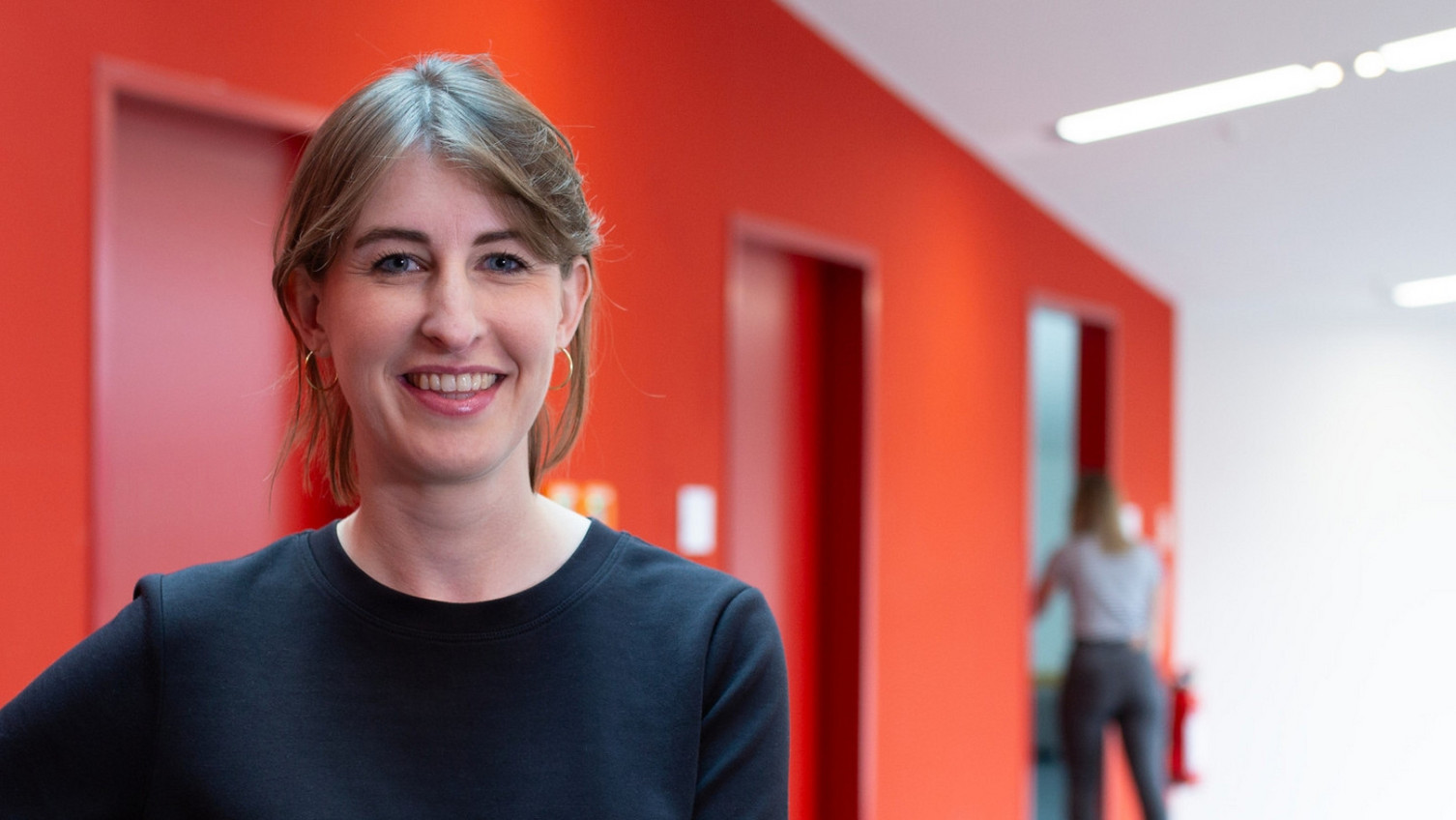
Dr. Laura Wenzel
Leuphana University of Lüneburg awards the Leuphana Dissertation Award to Dr.Laura Wenzel for her dissertation entitled ‘Auf dem Weg zu einer heterogenitätsbewussten Flucht-Familien-Forschung am Beispiel elterlichen Vertrauens gegenüber frühpädagogischen Angeboten’.
With her dissertation, Laura Wenzel develops an independent methodological perspective that outlines the contours of a comprehensive research program extending beyond the dissertation itself. She combines high scholarly relevance with significant sociopolitical importance. Ms. Wenzel skillfully and transparently integrates interdisciplinary research on trust, displacement/migration, family, and diversity. Particularly noteworthy is the epistemic approach of the dissertation and the thoughtful reflection on the conditions of possibility for knowledge that she places at the beginning of her work. This is followed by consistent empirical findings. Moreover, Ms. Wenzel has already presented a research portfolio into which the dissertation fits seamlessly and which provides an exceptionally strong scholarly foundation for her future academic work.
Dr. Laura Wenzel shares her experience and insights.