
Interview Dr. Hannes M. Petrowsky
Interview / Entrepreneurship, Management & Innovation
2024-09-13
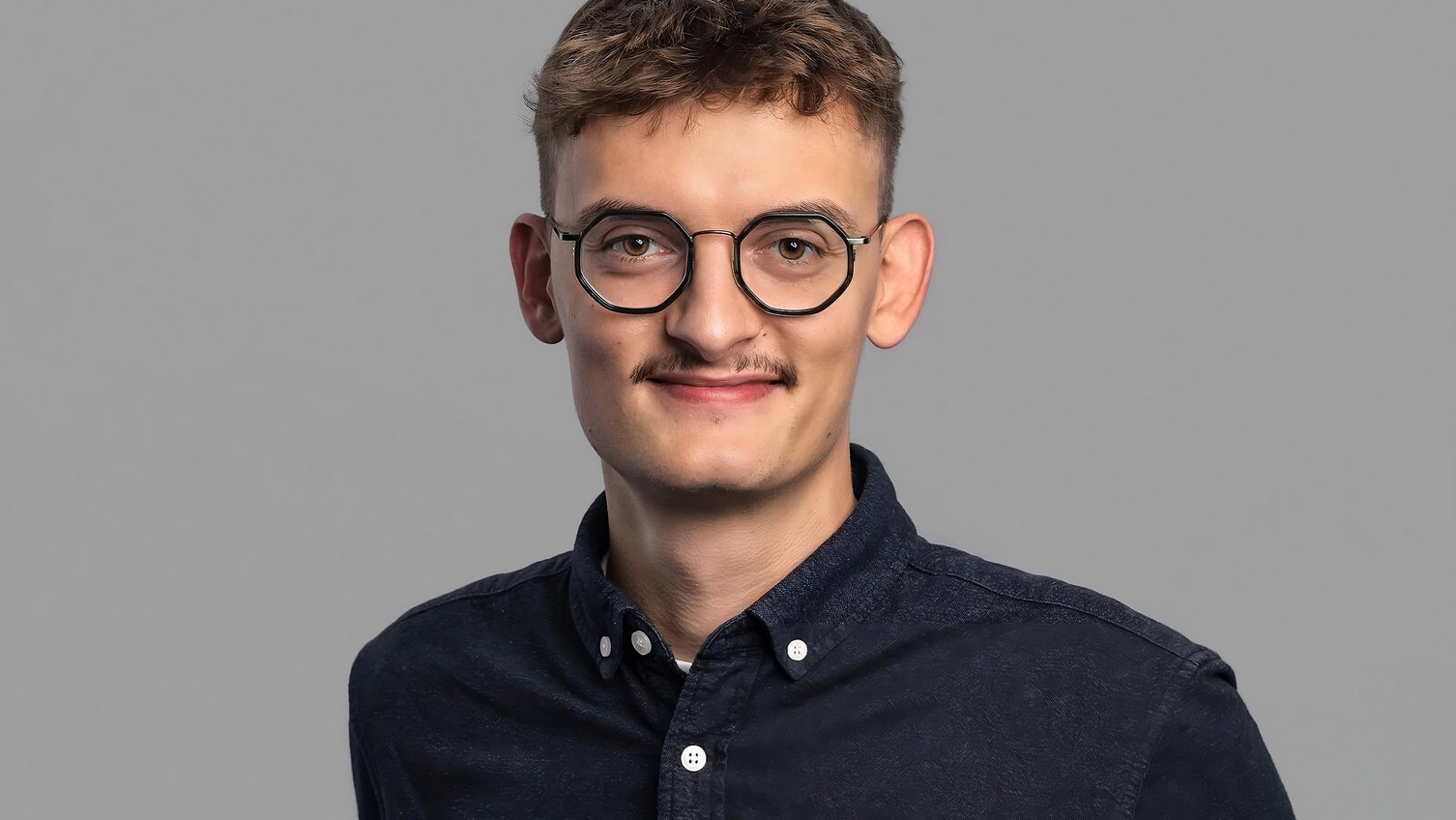
Leuphana University Lüneburg has awarded the Leuphana Dissertation Award to Dr. Hannes M. Petrowsky for his dissertation entitled ‘First-Offer Effects in Negotiations - A Meta-Analytical Synthesis of Experimental Research & Investigation of 26 Million Real-World Negotiations’.
In his dissertation, Hannes Petrowsky examines the economic and psychological effects of opening bids in negotiations. The thesis breaks new ground in science by synthesising the research literature, establishing previously unknown phenomena and, last but not least, empirically testing competing hypotheses. Furthermore, Mr. Petrowsky pre-registered his excellent methodological and analytical approach on Open Science Framework (OSF) and makes materials, (original) data and analysis scripts publicly available.
What motivated you to pursue a doctorate and why did you choose Leuphana?
My enthusiasm for research and work in academia was awakened during my master's degree at Leuphana. As I was able to gain a very positive impression of the quality of teaching and research during my studies, I was very taken with the idea of doing my doctorate at Leuphana. Before applying for the doctoral position, I was unsure whether I would meet the requirements of an academic career—but with support from my social environment, I finally dared it and have not regretted it since. At Leuphana, I particularly appreciate the close contact with colleagues and students, as well as the innovative and interdisciplinary approaches in research and teaching.
What special memories do you associate with your doctoral studies?
The opportunity to engage in-depth with a research topic over several years and to help shape the scientific discourse will remain in my memory as a privilege and something very special. I experienced the doctoral period as a challenging but also very fulfilling time with great learning effects and a lot of freedom. Above all, I remember the many great colleagues and co-authors, as well as stays abroad and conference visits, which made this process such an instructive and valuable time. Special thanks go to Prof. David Loschelder and the entire team.
What challenges did you face during your doctorate and how did you deal with them?
The start of my doctorate coincided almost exactly with the beginning of the coronavirus pandemic. Social interaction with colleagues and other researchers was made more difficult as a result. However, regular digital meetings with our team and a supportive personal environment made this time much easier. In addition, my research papers were rejected by renowned journals – in such cases, I tried to see negative feedback as an opportunity to improve and ultimately convince other journals of the improved manuscripts.
What advice or tips would you give to new doctoral students?
Find a doctoral topic that really interests you. There will be ups and downs in every doctoral process, and intrinsic motivation is, in my view, a crucial factor for resilience and success. Regularly seek feedback from colleagues to improve your own research – it's worth it. Also, find a balance alongside academia – supposedly big challenges and problems often look much smaller after a round of sports or dinner with friends.