
Molly's experiences
07.04.2026 After completing her Bachelor’s degree and working full-time in her home country, the USA, Molly Parker moved to Germany to pursue her Master’s degree at Leuphana. In the Sustainability Science: Ecosystems, Biodiversity and Society program, she particularly appreciates the combination of ecological and social approaches as well as the open and collaborative atmosphere among students and lecturers.
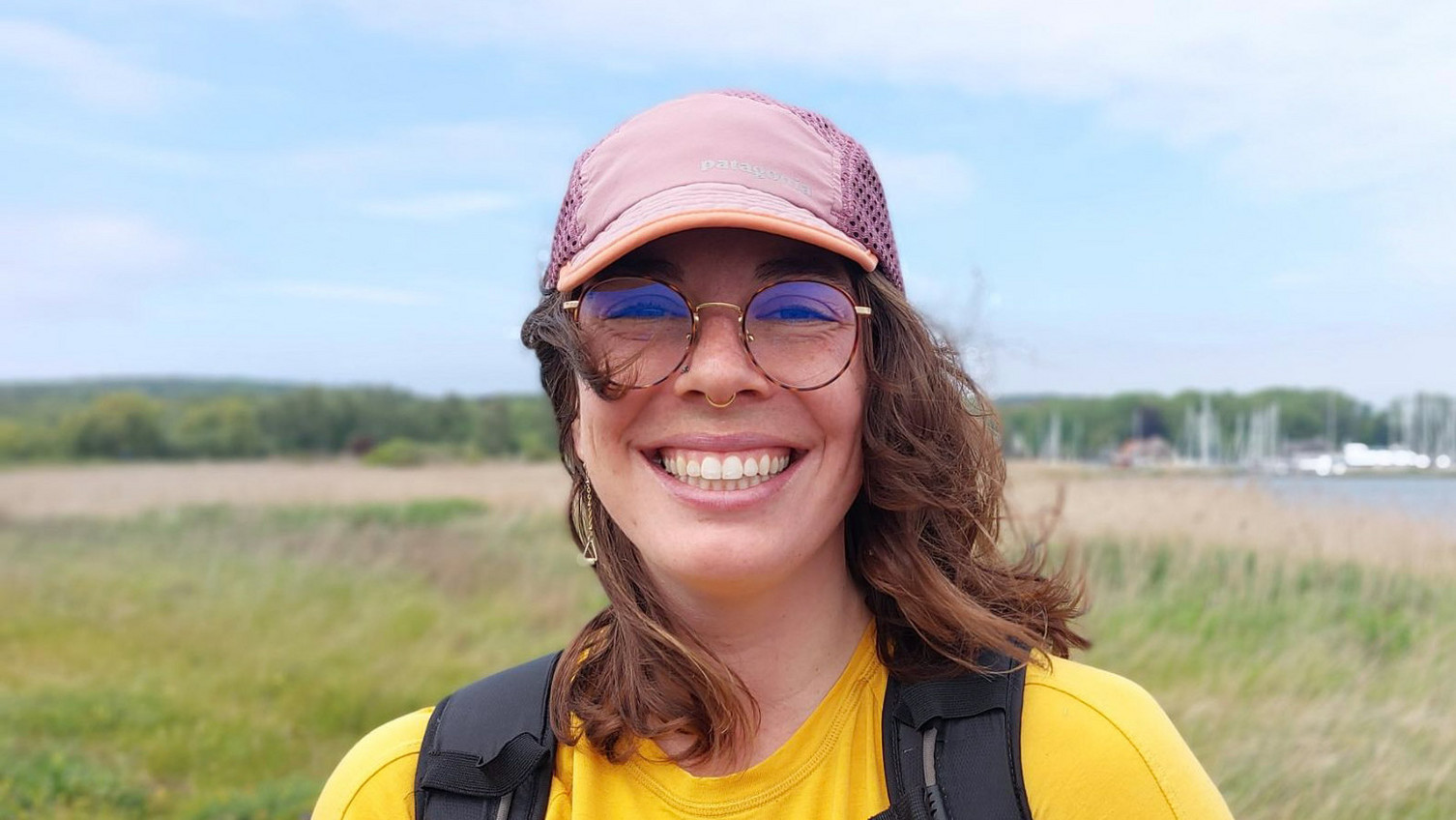 ©Privat
Why did you choose to study Sustainability Science: Ecosystems, Biodiversity and Society?
I chose to study Sustainability Science: Ecosystems, Biodiversity, and Society (SEBS) because it is a very important set of topics to learn more about. Not only does it focus on the natural science aspects for which I have some background in, but it looks into the social side of things too. It is a pertinent topic with high potential for making changes in today’s world.
If I’ve learned anything from my last years in my (various) careers before starting the program, it is that you cannot accomplish much with facts and data alone, you need to have some people skills, or at least an understanding of people, too. I think that second ‘S’ in SEBS is super important and is often overlooked by people like me who have a more natural science background. So, I suppose you could say I chose this program to become a bit more well-rounded and gain some insight into how to understand these social-ecological interactions more.
What were your expectations before you started your Master’s degree at Leuphana, and what do you like most about Sustainability Science: Ecosystems, Biodiversity and Society?
To be completely honest, I wasn’t entirely sure of what to expect from the SEBS Master's program at Leuphana. At a base level, all I really knew was that Leuphana is well-known for its sustainability program, and the town of Lüneburg is very cute! I expected to gain well-rounded insights and hoped to rediscover some promising pathways forward in our deteriorating world. So far, what I’ve enjoyed the most in the SEBS program is the range of perspectives I’ve gained from other students in my cohort, and the enthusiasm and array of knowledge the instructors have to offer. I’ve enjoyed being back in a university setting and being surrounded by people that are simultaneously craving knowledge and willing to share what they already know.
What did you study before starting your Master’s degree, and how were you able to build on your previous studies?
Prior to starting my Master’s degree, I studied geology and environmental studies. I also gained professional experience in various fields of environmental quality, generally in the air quality and petroleum remediation realms. Building on my geology background, the studies at Leuphana have allowed me to learn a lot more about soil sciences as well as the interactions between people, land use, and ecosystems. The social side of the program has been super interesting, and something I’ve never studied academically, so that has been cool to dive into, and I can see how it would have been beneficial to have these insights in my previous work.
How did you find adjusting to the new disciplines in the program?
The adjustment initially was a bit of a shock to my system. Having been out of the university setting for some time, it was understandably difficult to get back into the swing of writings papers, studying for exams, and managing group work, all while adjusting to living in a new country. However, the pacing and topics of the courses and the enthusiasm of the instructors really sparked my interests and built motivation. My fellow students were also really helpful in making me feel more comfortable with my choice to come back to university. There is such an array of backgrounds and experience; it never felt like any one person has it all figured out. We really lean on each other as needed to share our experience and knowledge, and work through the tougher parts of university together.
What do you particularly like about the campus and the city of Lüneburg?
Lüneburg is so cute! From the medieval city center and old town to the surrounding forests and Ilmenau River, little Lüni is wonderful. There are great coffee shops, excellent nature areas, and plenty of things to keep you entertained while still maintaining that magical quaint small-town feeling. The only thing missing for me is some topography! The campus itself is easy to navigate, has a cafe within the main building, and has a number of places to tuck away and study. Although there’s been some construction in the last couple of years, that might just be in favor of new students!
What is the relationship like with other students and lecturers?
I would say I feel super lucky with my cohort for how well we get along, and how I’ve found some really great friendships with many of my fellow students, but I think it is a recurring theme within the Sustainability programs at Leuphana. It is not uncommon for our cohort’s group chat to have incoming messages about cool things seen on the weekend out of town, beautiful photos taken from a course excursion, advice about housing or classes, etc.
Again, most of the lecturers and instructors have been super enthusiastic about sharing their knowledge, and that feels incredibly special. I think the SEBS group is particularly lucky to have many lecturers with extensive experience in various fields.
Have you decided on a topic for your Master's thesis yet, and do you have any plans for after graduation?
I’ve not yet decided on a topic for my Master’s thesis, but I have a number of ideas in mind. I hope to solidify my choice in the coming months, and I thankfully have found some supportive mentors to help me work through some options. Although many of my fellow students will begin their thesis writing soon, I plan to continue taking courses, learning German, and gaining more experience within the Social-Ecological Systems Institute.
Are there any tips you can give new Sustainability Science: Ecosystems, Biodiversity and Society Master’s students, that you would have loved to know at the start of your studies?
I think more than anything I would advise new Master’s students that they can really take away whatever they want from this program. I think many people in general go into university expecting to learn every detail about a subject and forget to take a look around and see the bigger picture. Again, sometimes having a lot of facts and data won’t actually get you that far if you can’t share this information in a way that is understandable and tangible for others. Talking to people as if they are people, not all academics within your bubble, is an incredible skill to build up. Additionally, it is worth trying out something new and learning about areas of research you maybe never have even thought about before.
Who would you recommend the Sustainability Science: Ecosystems, Biodiversity and Society Master's program to, and what difference can SEBS graduates make?
I’d recommend the SEBS program to people who are not only interested in the ecological side of things, but the social side as well. There’s a bit of both in this program, and some classes may fit your background better than others.
I think SEBS graduates will make a difference in many various areas! I see great potential from many of my fellow students as they are so driven to gain real-world understanding and develop or build up practical applications of what we’ve been learning.
Tom's experiences
31.03.26 With a background in Environmental Sciences, Tom Reckmann chose the Master’s program Sustainability Science: Ecosystems, Biodiversity and Society to further explore socio-ecological systems from an interdisciplinary perspective. Today, he continues this path through the Doctoral Fast-Track program at Leuphana.
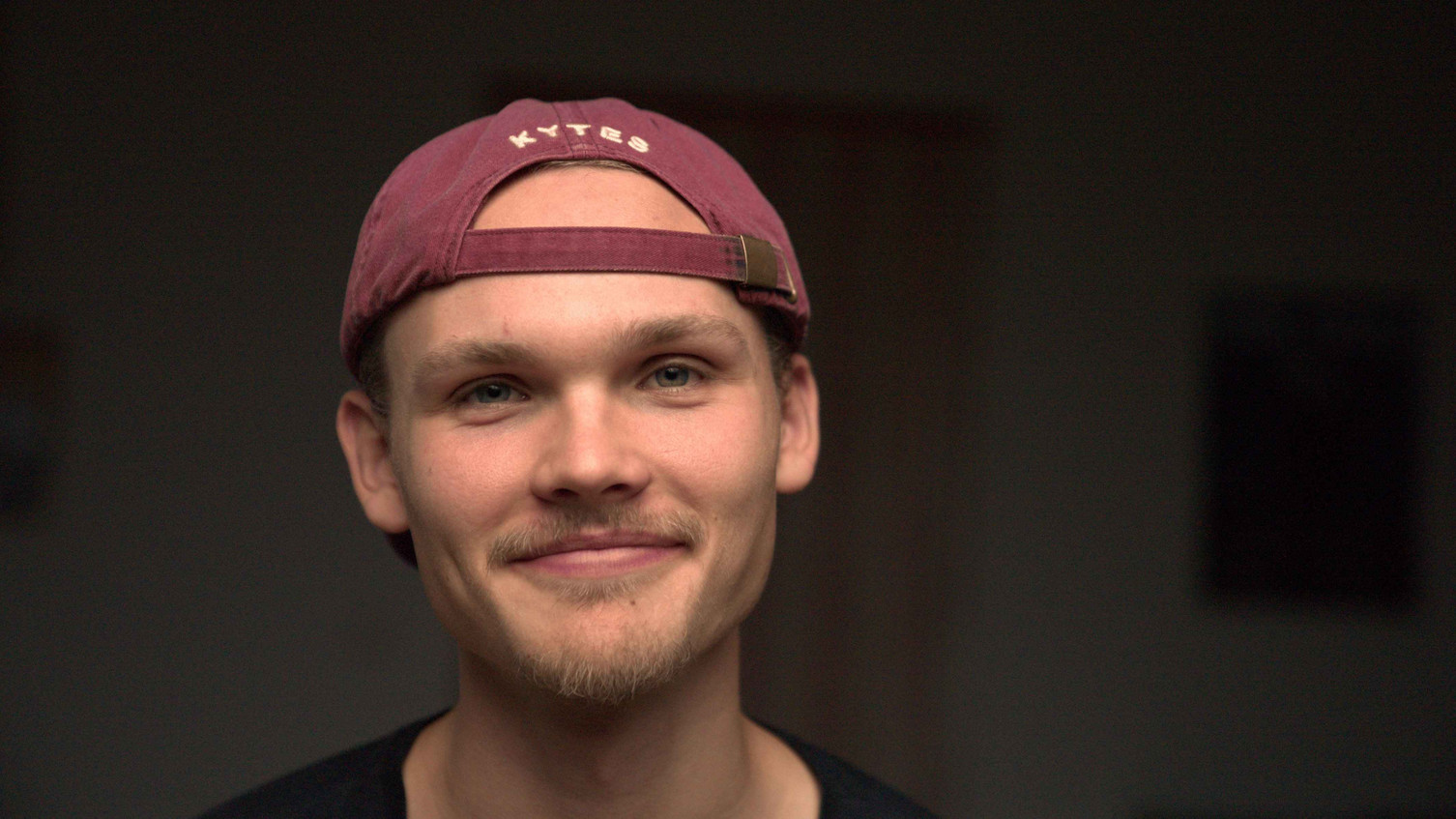 ©Privat
Why did you choose to study Sustainability Science: Ecosystems, Biodiversity and Society?
I wanted to deepen my knowledge in Sustainability Science and specialize in socio-ecological systems. This Master’s program was therefore a perfect fit for me, as it was offered immediately after I completed my Bachelor’s degree.
What were your expectations before you started your Master’s degree at Leuphana, and what do you like most about Sustainability Science: Ecosystems, Biodiversity and Society?
Since I had an interdisciplinary Bachelor’s degree, I assumed I would continue working in this way, though with a slightly stronger focus than before. I think that’s exactly what I like best about the Master’s program: the interdisciplinary nature. I enjoy examining sustainability issues from a systemic perspective. A purely technical (disciplinary) background seems more like a limitation to me.
What did you study before starting your Master’s degree, and how were you able to build on your previous studies?
I studied Environmental Sciences at Leuphana and had already taken courses on similar topics beforehand. That gave me a head start on some topics. For example, I had already completed a course on systems thinking during my Bachelor’s program, so I was able to focus on deepening my knowledge in other areas or on other topics throughout the program.
Leuphana sees itself as an inter- and transdisciplinary university. The orientation of your study program is also interdisciplinary. How do you perceive this?
For me, inter- and transdisciplinarity are something like the DNA of the Faculty of Sustainability at Leuphana, and that is also reflected in the teaching and the courses.
What do you particularly like about the campus and the city of Lüneburg?
I like the vibe on campus and how lively it is. The lawn in front of the cafeteria and many beautiful outdoor spots make campus life very enjoyable, especially in the summer. I love doing sports on campus or just sitting in the sun on the green spaces on campus.
What is the relationship like with other students and lecturers?
Thanks to great initiatives by the student council (freshman trip and orientation events), it’s easy to network with each other quickly. The first semester is challenging for many, but you get to know each other well through group work. In general, the atmosphere in classes is really good, and everyone treats each other with respect. The relationship with lecturers is also very relaxed, and it’s easy to strike up a conversation with everyone.
Have you decided on a topic for your Master's thesis yet, and do you have any plans for after graduation?
I actually already have a Master’s thesis topic and started my PhD in the Doctoral Fast-Track program in January, so I’ll be staying at Leuphana for a while longer.
Are there any tips you can give new Sustainability Science: Ecosystems, Biodiversity and Society Master’s students, that you would have loved to know at the start of your studies?
The first semester is very challenging, but if you stick with it, you can gain a lot from it. If it does become too much, it’s also okay to take fewer modules. Some of us (including myself) have done that.
Who would you recommend the Sustainability Science: Ecosystems, Biodiversity and Society Master's program to, and what difference can SEBS graduates make?
I would recommend the Master’s program to those who see themselves working in the field of socio-ecological systems, want to pursue research, or are interested in human-nature relationships. In particular, however, I would recommend it to people who are looking for an interdisciplinary or transdisciplinary Master’s program or are generally open to such an approach.
Contact and Counselling
First contact point
The Information Office (Infoportal) is your contact point for
- general information on the application procedure
- initial questions about the study programmes offered at Leuphana
- making an appointment with the Graduate School Student Counselling Service.
Information Office
Building 8, Ground Level
Fon +49.4131.677-2277
studierendenservice@leuphana.de
Campus opening hours
Mon - Thu 9.00 am - 4:00 pm
Fr 9.00 am - 12 noon
Student Counselling
To make an appointment with our Student Counselling Service, please use our booking tool on our website.