
Student and Alumni experiences - Sustainability Science: Entrepreneurship, Agency and Leadership
On this page you can find experiences of current and former students about the Master's in Sustainability Science: Entrepreneurship, Agency and Leadership at Leuphana Graduate School.
Daniel's experiences
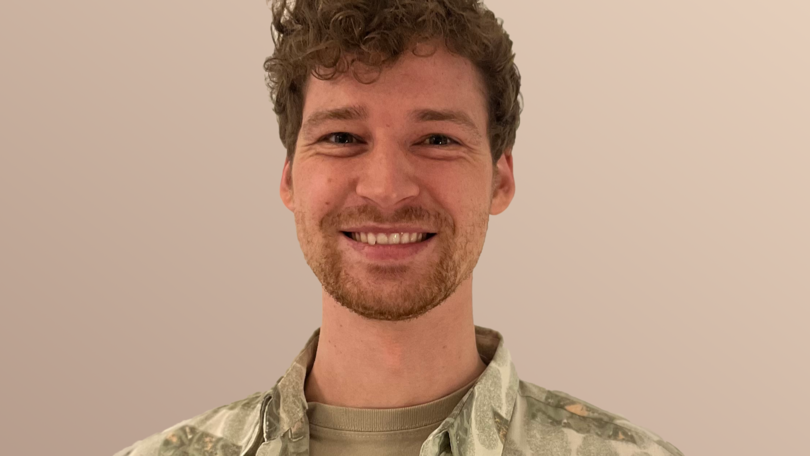
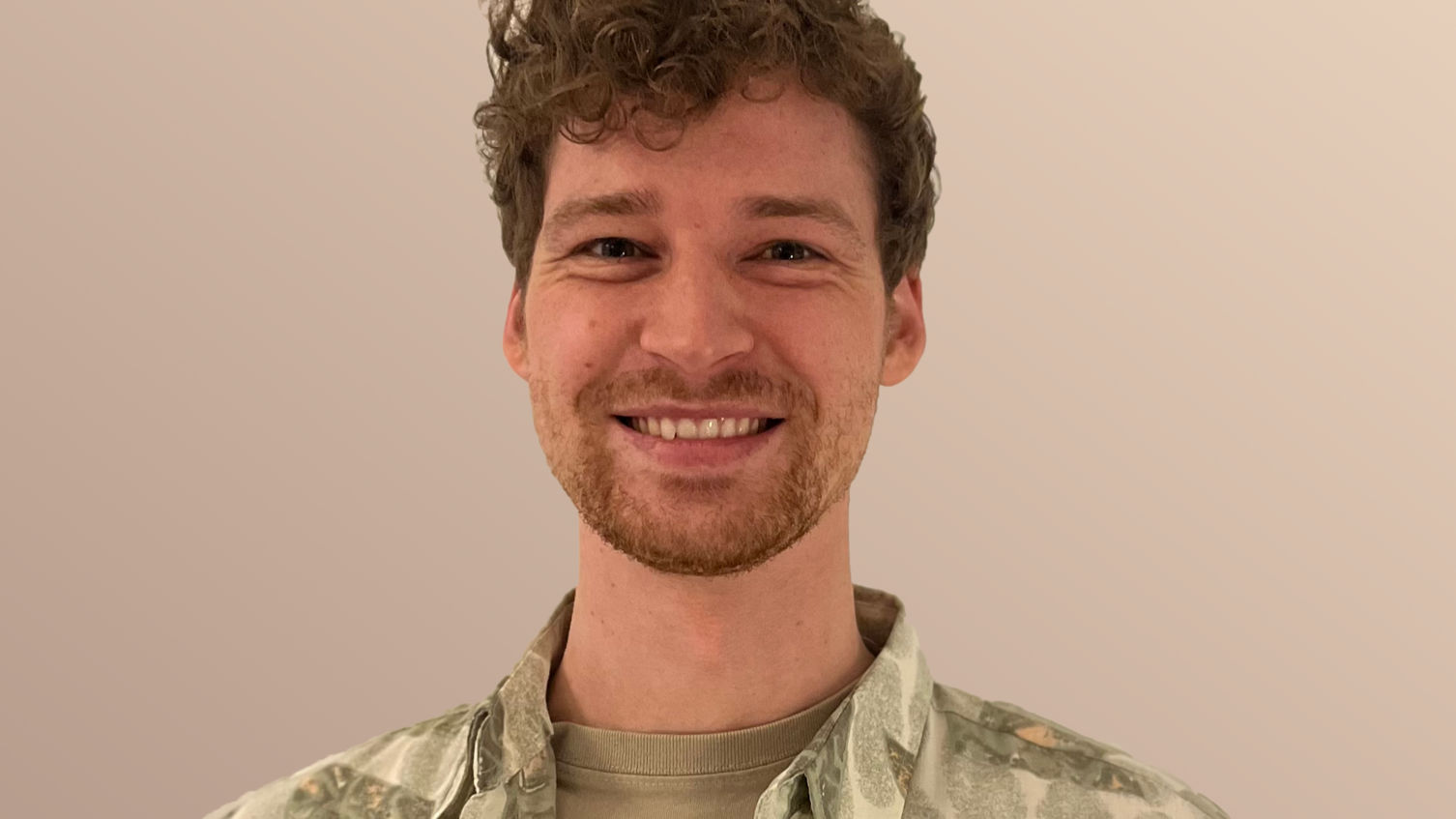
26.06.2026 After earning his Bachelor’s degree in Business Administration and Management from Osnabrück University of Applied Sciences, Daniel Wolbeck decided to pursue a Master’s in Sustainability Science: Entrepreneurship, Agency, and Leadership, in order to combine business thinking with sustainable action. He particularly appreciates the program’s interdisciplinary focus and the close integration of theory and practice.
 ©Privat
Why did you choose to study Sustainability Science: Entrepreneurship, Agency and Leadership?
During an internship in Customer Relationship Management at a large corporation in Hamburg, I found myself asking a fundamental question: Why should I invest my time and energy in work that does not make a positive contribution to the environment and may, in the worst case, even contribute to its further degradation? This realization marked a turning point in my life. Through insights into the company’s sustainability department, I discovered my true passion: combining business thinking with sustainable action. It was then that I realized my heart lies in sustainability. After completing my Bachelor's degree in Business Administration and Management, I became convinced that this was the path I wanted to pursue wholeheartedly. I firmly believe that the key to ecological and social transformation lies in reshaping the way businesses operate. The Sustainability Science: Entrepreneurship, Agency and Leadership program provides the ideal foundation for me to combine entrepreneurial thinking with a commitment to building a more sustainable future.
What were your expectations before you started your Master’s degree at Leuphana, and what do you like most about Sustainability Science: Entrepreneurship, Agency and Leadership?
Before starting my Master’s program at Leuphana University, I was somewhat skeptical: Since I had previously studied at Osnabrück University of Applied Sciences, I was worried that the program might be heavily theory-based and that practical application might be neglected. However, this expectation was proven wrong. As the program progressed, I was pleasantly surprised by how consistently theoretical content was linked to practical application.
Another concern I had was regarding flexibility in course selection. I had heard from fellow students at other universities that while elective modules are technically open to anyone, limited enrollment often means you can’t get a spot. Out of a total of four elective modules, I was only denied a spot in one due to too many applicants. This allowed me to tailor my focus to prepare myself precisely for my future career.
What I appreciate most is the close integration of theory and practice, as well as the communication on an equal footing between students and faculty. I was particularly impressed by the program’s interdisciplinary focus: the modules combine business administration and sustainability studies with elements of psychology and communication. I have rarely found this combination in this form at other universities.
What did you study before starting your Master’s degree, and how were you able to build on your previous studies?
Before beginning my Master’s degree at Leuphana University, I studied Business Administration and Management at Osnabrück University of Applied Sciences. Since the Sustainability Science: Entrepreneurship, Agency and Leadership program has a strong business focus, I was able to build directly on many of the concepts I had learned during my bachelor’s degree and apply them in a new sustainability-oriented context.
For example, existing business models are analyzed and approaches are developed to transform them and make them more sustainable in the long term. In addition, the program examines consumer behavior from a psychological perspective to better understand the mechanisms that influence decision-making and to develop targeted strategies that encourage people to adopt more sustainable behaviors.
Leuphana sees itself as an inter- and transdisciplinary university. The orientation of your study program is also interdisciplinary. How do you perceive this?
Both the faculty and the student body are characterized by a wide diversity of perspectives. In terms of content, the program combines business administration, management, communication, and psychology with social, economic, and environmental sustainability aspects to form an interdisciplinary whole.
This interdisciplinarity is also reflected in the composition of the student body. Participants bring diverse academic backgrounds, including business administration, social sciences, management, environmental sciences, and communication management, and come from a wide range of countries. A particular highlight is the collaboration during the first semester, in which students work alongside peers specializing in Biodiversity, Chemistry, and Governance and Law. These students, in turn, contribute their own subject-specific knowledge from their respective Bachelor’s programs. This diversity makes every group project a valuable learning experience that encourages students to think beyond their own disciplinary boundaries and develop new perspectives.
What do you particularly like about the campus and the city of Lüneburg?
The Leuphana University Campus offers a wide range of activities that go far beyond the daily routine of lectures. In particular, the extensive university sports program provides me with a good balance to my daily university life. In addition, there are many small group rooms available that facilitate both individual and collaborative work. Getting involved in university initiatives also contributes to personal development. For example, I joined the Cradle-to-Cradle Initiative, where I can exchange ideas with other circular-economy enthusiasts and actively help shape sustainable ideas. It’s also worth mentioning that there’s an evening cafeteria, where you can relieve some of the university stress with a warm meal after a lecture or a long day in the library.
The city of Lüneburg itself has a charm all its own. The historic old town, with its old pubs, cozy bars, and charming cafés, invites you to linger, and makes it easy to get to know new fellow students along the way. At the same time, I benefit from the city’s close proximity to Hamburg, which allows me to switch between the vibrant city life and the quiet, tranquil atmosphere of Lüneburg. This contrast makes the city an ideal place for me to both stay active and find peace and quiet.
What is the relationship like with other students and lecturers?
The manageable class size of 15–50 students create an environment in which it is much easier to meet peers and form genuine friendships. Despite the relatively short duration of a Master’s program, these connections often develop into relationships that last well beyond the course of study.
At the same time, students benefit from a personal and respectful relationship with their lecturers. The smaller group sizes lower the threshold for actively asking questions and initiating discussions, making classes not only more relaxed but also intellectually more enriching. In addition, many courses are designed to be interactive, and traditional lectures are deliberately avoided in favor of a more dialogue-oriented learning format.
Have you decided on a topic for your Master's thesis yet, and do you have any plans for after graduation?
In terms of content, I am particularly interested in the fields of circular economy, sustainable materials, consumer behavior, and alternative business models. At this point in time, it is still open which of these areas I will ultimately focus on in my thesis. While I already have initial ideas and approaches, they still require further development and careful consideration before I can make a final decision.
Are there any tips you can give new Sustainability Science: Entrepreneurship, Agency and Leadership Master’s students, that you would have loved to know at the start of your studies?
A helpful note that can save a lot of confusion: In principle, all elective modules are freely selectable. However, the official course catalog (“Gazette”) does not communicate this very clearly, which initially led me to believe that I could only choose certain modules. The realization that all electives are freely available is therefore important, in other words: you can generally take any elective module.
Anyone looking for group study rooms is familiar with the issue: they are in high demand and quickly occupied. A useful tip is that in some buildings, not all lecture rooms are in use throughout the entire day, meaning these rooms can often be used for group meetings. A quick look at the room schedule, accessible via a QR code next to each door, also helps avoid the awkward situation of opening a door while a lecture is still in session.
Group work is a central part of the Master’s program and is present in nearly all courses. Coordinating multiple group meetings at the same time can quickly become an organizational challenge. Anyone who has ever wished for someone to handle all these arrangements is not alone. Over time, however, you develop a sense for how to reduce the effort efficiently. A helpful tool for coordinating group schedules is When2meet.
And last but not least, perhaps the most important insider tip: Every now and then, there are Germknödel in the cafeteria. Knowing when they are available gives you a real advantage, as they are very popular and rarely available.
Who would you recommend the Sustainability Science: Entrepreneurship, Agency and Leadership Master's program to, and what difference can PAD graduates make?
I recommend this Master’s program to anyone who wishes to view economic relationships not only from a linear perspective, but from a holistic and circular one. Those who come from a background in business administration, management, or a related field and aim to apply this knowledge in a sustainability-oriented context will find the ideal environment here. The program is particularly well-suited for students who enjoy working in a transdisciplinary way and are open to expanding their perspectives through exchange with peers from entirely different academic disciplines. Group work is not just a learning format, but a space where different ways of thinking collide, enrich one another, and jointly lead to solutions that one would never develop alone. Inevitably, there will also be group projects that are less enjoyable, but these experiences also teach how to deal with such situations. Those who are willing to question their own disciplinary thinking and understand economics as part of a broader social and ecological system will not only grow academically in this program, but also personally.
Graduates of the SEAL program occupy a unique key position in the modern business world. As a link between executive management and strategy, they have the ability to significantly influence long-term corporate decision-making and to drive the sustainable transformation of organizations. This is not solely about environmental responsibility, but about a holistic mitigation of social, economic, and ecological risk factors that can be crucial for a company’s long-term survival in an increasingly volatile world. What makes SEAL graduates particularly valuable is their interdisciplinary education. They combine a solid understanding of business administration, management, and psychological approaches, enabling them to develop competencies that go far beyond traditional management profiles. They think not in quarters, but in generations. At a time when companies are increasingly under pressure from regulatory requirements, societal expectations, and global environmental change, such profiles are more in demand than ever. SEAL graduates are able not only to support transformation processes, but to actively lead them. In doing so, they combine innovation with responsibility and act not merely as followers of change, but as its shapers.
Did you spend a semester abroad? If so, where did you go and what did you particularly enjoy about it?
I completed my semester abroad as a Free Mover at Hankuk University of Foreign Studies in Seoul, South Korea. I was particularly impressed by the insight into a completely new culture with different approaches, values, and a level of discipline that is rarely experienced in this form. Before my departure, I had read numerous accounts describing Koreans as rather reserved. However, this expectation was quickly disproven. Many people approached me on their own initiative, and through the many student-run clubs at the university, I quickly formed genuine friendships. These connections allowed me to gain a deep understanding of Korean life and to explore questions that went far beyond everyday university life: How do Koreans behave in public and why? What does a typical working day look like? Why does discipline play such a central role, and how is it lived in everyday life? What do friendships and relationships in Korea look like? I was particularly impressed by the helpfulness of the people. In moments when I appeared disoriented, strangers helped me without hesitation, despite language barriers.
While regulatory frameworks in Germany often impose many restrictions, Koreans distinguish themselves through a pragmatic, solution-oriented mindset as “enablers.” There is no problem that cannot be solved. I had also read beforehand that Koreans are exceptionally hardworking and committed. I was able to confirm this in every area of life, whether in my studies, sports, or friendships. This dedication is contagious and has had a lasting impact on me personally.
After six months in South Korea, I can only recommend studying abroad. It takes courage to take the first step, but that courage is richly rewarded. The experiences, encounters, friendships, and insights I gained during this time are among the most valuable of my entire studies. You do not necessarily have to travel to the other side of the world for a semester abroad; a nearby country can offer an equally formative and enriching experience. What truly makes a semester abroad special are the people you meet. So, take the leap and discover the unknown. It is an experience that no one can take away from you.
Nele's experiences
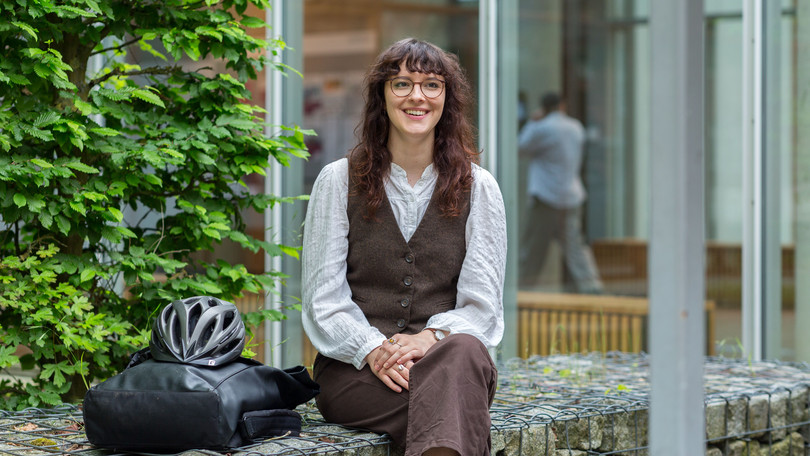
30.06.2026 During her Bachelor’s studies, Nele Kehr became interested in how sustainable business practices can drive positive change. In the Master’s program Sustainability Science: Entrepreneurship, Agency and Leadership, she is further exploring these interests while valuing the program’s holistic approach to sustainability and its collaborative, interdisciplinary environment.
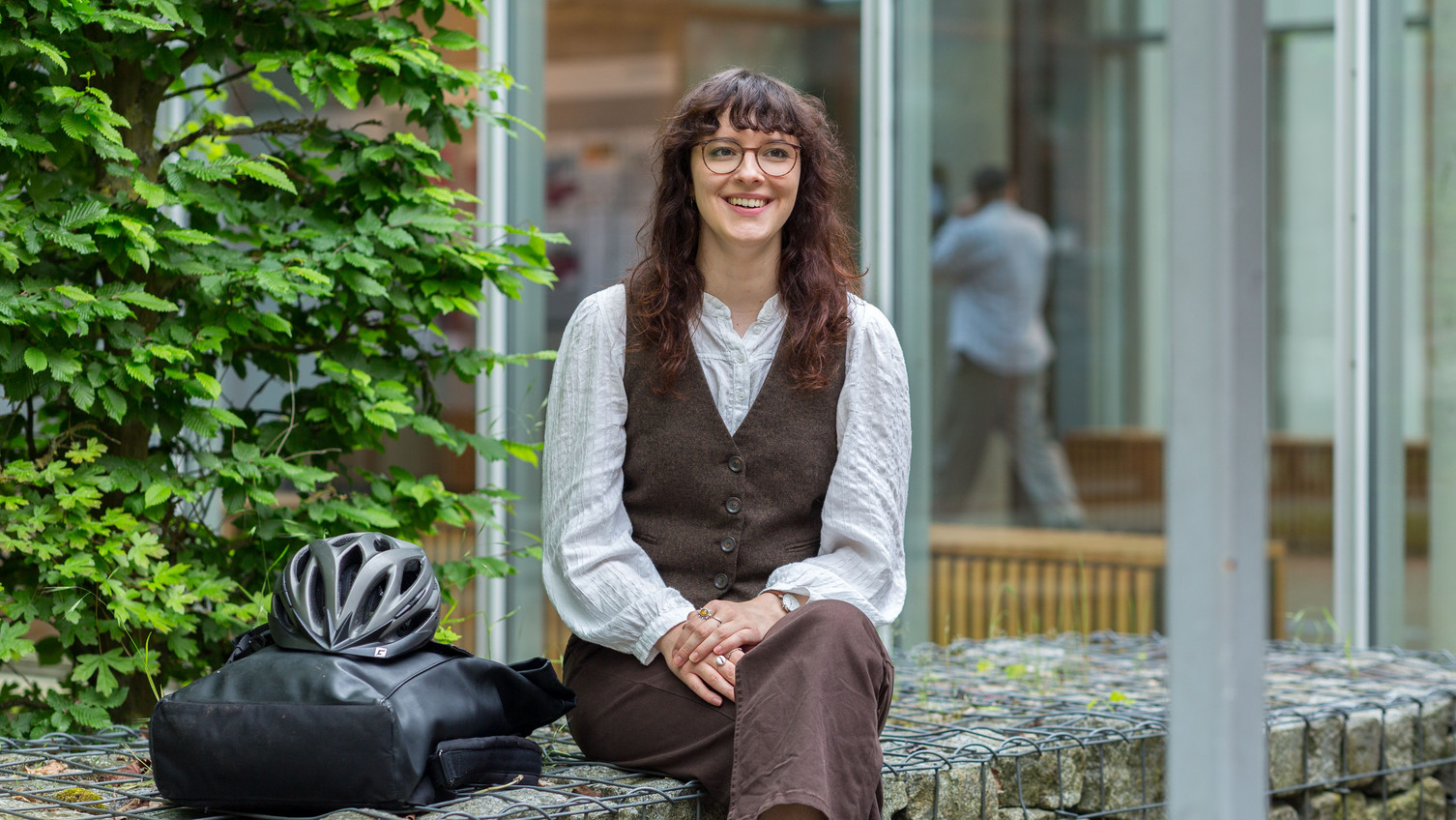 ©Leuphana/Tengo Tabatadze
Why did you choose to study Sustainability Science: Entrepreneurship, Agency and Leadership?
In the field of sustainability, Leuphana is one of the leading universities on an international level and was also the first university in Europe to establish its own Faculty of Sustainability. What I find particularly interesting is that sustainability is also linked to business. During the application process for the Master’s program, I researched many different degree programs. However, I often had the impression that the focus remained on business administration or economics, with sustainability treated more as a supplementary topic. At Leuphana, it’s different: here, sustainability forms the foundation upon which everything else is built. Sustainability issues aren’t just viewed superficially and treated symptomatically; instead, they’re addressed at their roots and approached holistically, from the ground up. This very understanding of sustainability is personally very important to me and was a decisive factor in my decision to choose Sustainability Science: Entrepreneurship, Agency and Leadership (SEAL).
What do you like most about Sustainability Science: Entrepreneurship, Agency and Leadership?
What I like most about the Sustainability, Science: Entrepreneurship, Agency, and Leadership program is that it’s relatively small, with about 25 students. In my Bachelor’s program, there were around 150 of us, which led to cliques forming quickly, and I never got to know all of my fellow students. In the Master’s program, it almost feels like being back in school — everyone knows everyone else, and we do a lot together outside of class as well. At the same time, I’ve noticed that we share even more common interests and values in the Master’s program than we did in the Bachelor’s program because everyone has consciously chosen this specialization within sustainability sciences. This creates a very special sense of community among like-minded people, which I really appreciate.
What did you study before starting your Master’s degree, and how were you able to build on your previous studies?
I have already completed my Bachelor’s degree at Leuphana, where I majored in environmental sciences and minored in business administration. During my Bachelor’s program, I was able to take several modules in the required-elective track that combined sustainability and business. Nevertheless, these two disciplines were largely treated as separate fields. In the Master’s program in Sustainability Science: Entrepreneurship, Agency and Leadership, I can now study both in combination and specialize precisely in this intersection. Thanks to my Bachelor’s degree, I already have a solid academic foundation on which I can now build and deepen my knowledge in a targeted manner.
Leuphana sees itself as an inter- and transdisciplinary university. The orientation of your study program is also interdisciplinary. How do you perceive this?
Sustainability Science: Entrepreneurship, Agency and Leadership is fundamentally interdisciplinary in its structure. We explore topics from the fields of sustainability science, management, entrepreneurship, consumer behavior, and psychology. In addition, we can choose from a wide range of required electives and complementary modules, allowing us to either specialize further or try something completely new. Furthermore, SEAL is just one of four degree programs in the field of Sustainability Science at Leuphana. Especially in the first two semesters, we take many courses alongside students from the other programs, where we cover topics such as the fundamentals of Sustainability Science. This naturally brings together people with very different academic backgrounds and experiences. The transdisciplinary approach is also actively implemented throughout the program. In the second semester, we collaborated on a large, transdisciplinary research project with students from another track within the Sustainability Science Master’s program. In doing so, we partner with stakeholders from outside the university, such as policymakers, businesses, NGOs, and civil society.
What do you particularly like about the campus and the city of Lüneburg?
I love the Leuphana campus! What I especially like is that we have just one main campus, where almost all classes take place, rather than having them scattered all over the city, as is the case at many other universities. The campus is very green and offers plenty of places to sit, work, and relax. In the spring and summer, the Mensawiese is the central gathering spot, and in the Biotopgarten, you can just take a break and enjoy the peace and quiet. From there, you also have a great view of the main building, which, for me, is one of the most impressive university buildings I’ve ever seen. I also think the sports facilities right on campus are great: there are several gyms, a fitness center, a sauna, and beach volleyball and basketball courts.
I also really like Lüneburg itself, especially the Old Town with its many narrow alleys and old gabled and half-timbered houses. You can also tell that Leuphana’s focus on sustainability extends to the entire city. There are many charming local shops, cafés, and restaurants where vegetarian and vegan options are a natural part of the menu. Lüneburg also offers countless opportunities to connect with like-minded people: whether by getting involved in initiatives and NGOs, meeting up in knitting or crocheting groups, or participating in cultural activities like going to the theater. At the same time, Lüneburg is very green with its parks and forests, and you can get around quickly and easily by bike.
What is the relationship like with other students and lecturers?
As I mentioned earlier, there’s a very strong sense of community among SEAL students. But we also have a very close relationship with students from the other Sustainability Science Master’s programs, especially since we take many modules together during the first two semesters. We all do a lot together, even outside of school.
I also find the relationship with the faculty members very pleasant. The Faculty of Sustainability has an open and relaxed atmosphere, with relatively flat hierarchies. This is also evident in the fact that we’re on a first-name basis with many of the instructors.
Have you decided on a topic for your Master's thesis yet, and do you have any plans for after graduation?
I’ve already written my Bachelor’s thesis on alternative proteins and would like to build on that in my Master’s thesis. Personally, I believe it’s important to reduce meat consumption for animal welfare, climate protection, and health reasons. That’s why I’m particularly interested in how plant-based options can be more firmly established in society and made more appealing to consumers.
I currently see two possible paths for my future. On the one hand, I could imagine staying in research and pursuing a Ph.D. in the field of alternative proteins. On the other hand, I’m interested in practical implementation, so I could see myself entering the business world and working for a company that develops and markets alternative proteins.
Are there any tips you can give new Sustainability Science: Entrepreneurship, Agency and Leadership Master’s students, that you would have loved to know at the start of your studies?
Especially when you move to a new city for your master’s program and don’t know anyone there yet, many people probably worry about not fitting in. In my experience, you absolutely don’t need to worry about that at all in the Sustainability Science Master’s programs! The students are generally very open and welcoming, so you’ll make new friends quickly. I also recommend reaching out to students in higher semesters early on. Especially in the beginning, they can help with organizational questions, share their own experiences and insider tips, and make it easier for you to get started. In terms of course content, the terms “interdisciplinarity” and “transdisciplinarity” can be overwhelming at first, especially if you’ve never heard of them before, and Leuphana places such a high priority on these topics. But don’t let that unsettle you. Inter- and transdisciplinarity work entirely on the principle of “learning by doing,” and that’s exactly what you’ll experience during your studies.
Who would you recommend the Sustainability Science: Entrepreneurship, Agency and Leadership Master's program to, and what difference can MES graduates make?
Sustainability Science: Entrepreneurship, Agency and Leadership is a degree program for anyone interested in sustainable business, who views sustainability not merely as a supplementary topic, but as the foundation for their thinking and actions. The program consistently approaches sustainability in a holistic manner from the ground up, which sets SEAL graduates apart from master’s students in traditional economics.
I believe that SEAL graduates can make a difference in many fields, whether in startups, established companies, consulting firms, NGOs, or politics. Thanks to the program’s interdisciplinary focus, we learn to consider social, environmental, and economic issues together. We can actively help make organizations, consumer behavior, markets, and ultimately, society as a whole more sustainable, thereby contributing to a better future. That’s why I’m firmly convinced that many doors will be open to us after graduation. Sustainability remains one of the central issues of our time and will only continue to grow in importance over the long term—at the latest, when the effects of climate change become even more pronounced in Germany and across Europe.
Pauline's experiences
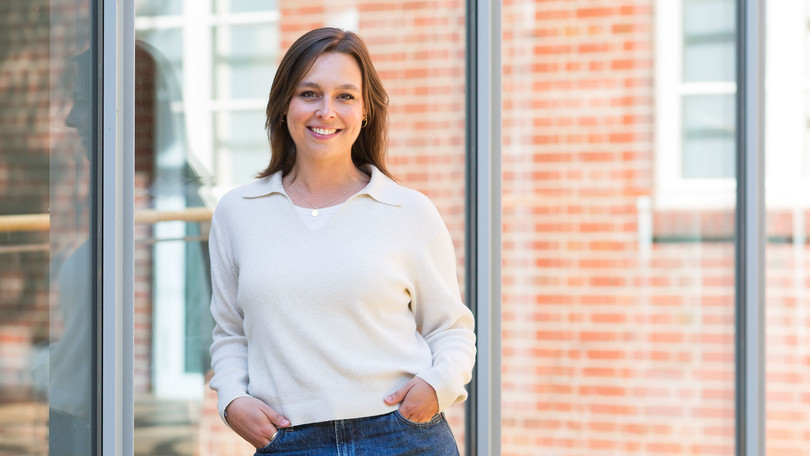
30.06.2026 After completing her Bachelor’s degree in International Business Administration and gaining professional experience in sustainability consulting, Pauline Buchholz chose the Master’s program in Sustainability Science: Entrepreneurship, Agency and Leadership. She is particularly interested in understanding how sustainable transformation can be achieved in business and society. During her studies, she focuses on social sustainability and explores topics related to gender, diversity, and equality.
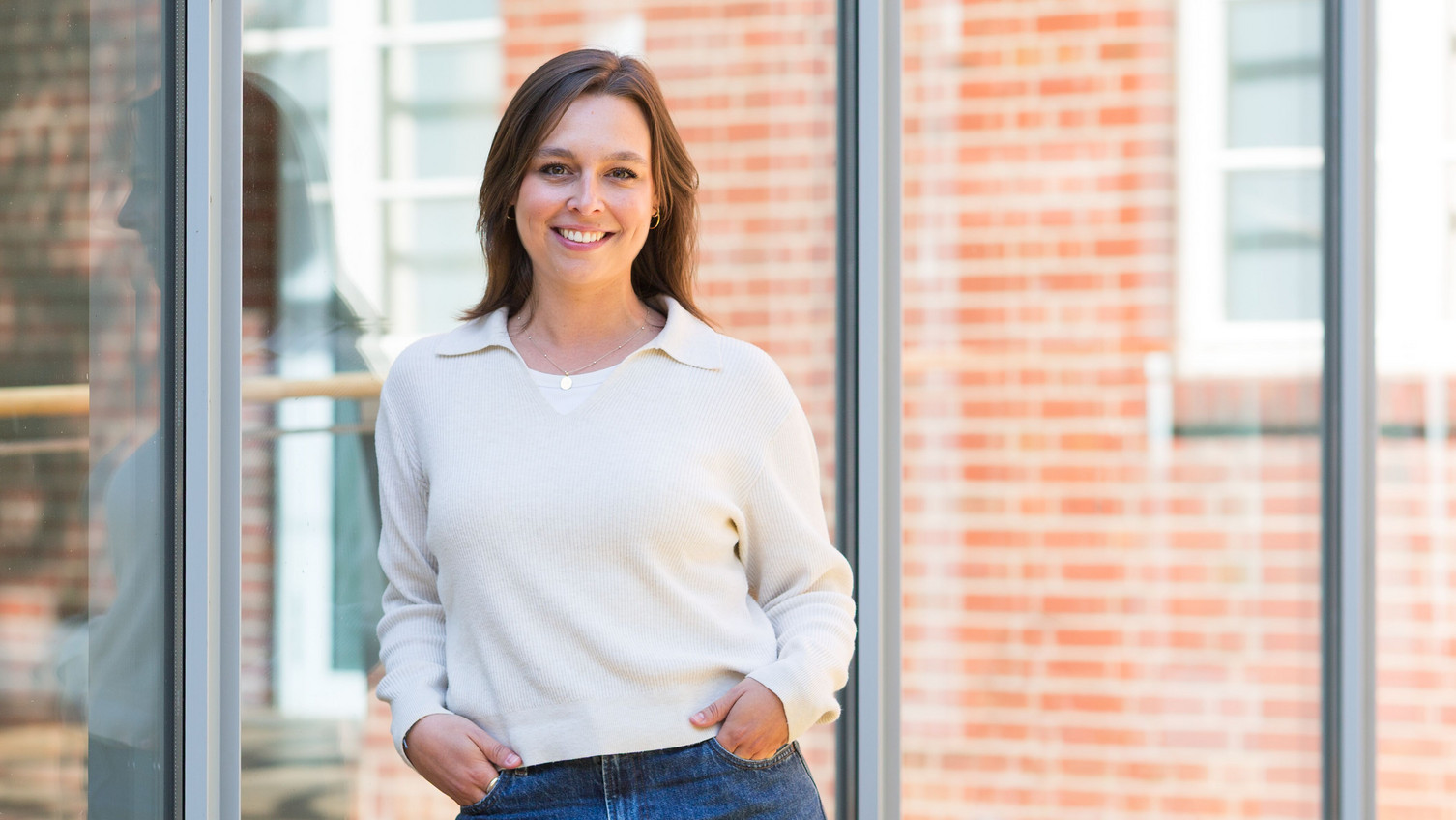 ©Leuphana/Tengo Tabatadze
Why did you choose to study Sustainability Science: Entrepreneurship, Agency and Leadership?
During my Bachelor's program, I completed an internship at a sustainability consulting firm. After graduating, I worked there for two more years. During that time, I realized that I wanted to engage more deeply with sustainability and delve more thoroughly into its scientific, social, and economic contexts. Consulting alone wasn’t enough for me. I wanted to better understand how to transform existing systems in a sustainable way.
That’s how I came across Leuphana University of Lüneburg, which has been engaged with sustainability for many years. The Sustainability Science: Entrepreneurship, Agency, and Leadership program complemented my background in international business and my practical experience in sustainability consulting. I was particularly drawn to the fact that the program places an even stronger, more comprehensive focus on sustainability and has an interdisciplinary orientation.
What were your expectations before you started your Master’s degree at Leuphana, and what do you like most about Sustainability Science: Entrepreneurship, Agency and Leadership?
I wanted to learn how to achieve sustainable transformation at different levels, not only within companies, but also within societal structures. I was particularly drawn to the program’s interdisciplinary focus.
My expectations were met. In the first semester especially, many modules overlapped with those of the other specializations in the Sustainability Science Master’s program. The elective and complementary modules allow students to delve deeper into their interests. I focused on gender, diversity, and equality, completing the Gender Diversity Certificate, as I am particularly interested in social sustainability.
What did you study before starting your Master’s degree, and how were you able to build on your previous studies?
Before starting my Master's program, I studied International Business Administration. Since my Bachelor's program included very few sustainability-related courses, I wanted to focus specifically on this area during my graduate studies. I was able to build on my previous studies, particularly my understanding of corporate structures. This knowledge helps me better understand how companies can transform to be more sustainable.
Leuphana sees itself as an inter- and transdisciplinary university. The orientation of your study program is also interdisciplinary. How do you perceive this?
Especially during my first semester, I really noticed the interdisciplinary nature of the program. Many modules were taken together with students from the other specializations, which brought together different perspectives, backgrounds, and approaches.
As the program progressed, the focus shifted more toward my own specialization. I would have liked to see more joint formats involving all specializations maintained, as this exchange provided me with significant added value.
I found the transdisciplinary project in the first and second semesters particularly positive. It was very hands-on and offered a great opportunity to directly apply theoretical concepts. You learn a lot about project work, team processes, and self-organization. Especially for students who enjoy hands-on work, this project provides a valuable change of pace during their studies.
What do you particularly like about the campus and the city of Lüneburg?
The Leuphana campus is large, green, and offers many wonderful opportunities to work in groups or to take some time alone. I especially like that there are many places where you can enjoy spending time, even outside of class, both indoors and outdoors.
I also really like Lüneburg. The city is green, compact, and very beautiful, thanks to its many historic buildings. At the same time, it has a lively atmosphere because of the large student population. Especially in the summer, there are plenty of opportunities to spend time outdoors with friends. And if you do feel like visiting a big city, Hamburg is just a short trip away.
For me, the campus and the city together make studying at Leuphana a wonderful experience. Lüneburg offers the chance to once again enjoy a typical student life during my Master’s program, something I didn’t really experience during my Bachelor’s studies in Frankfurt.
What is the relationship like with other students and lecturers?
Since many students move to Lüneburg for the Master’s program and aren’t from here, a lot of them find themselves in a similar situation at the beginning. Most are looking to connect with others and are open to meeting new people. This makes it easy to make friends and feel at home relatively quickly.
I find the atmosphere among the students to be very positive, open, and helpful. Overall, there’s a pleasant sense of community on campus that makes it easy to feel at home. I was also pleasantly surprised by the relationship with the faculty. Many professors are very approachable and use informal language with students, which makes interactions feel more personal and less distant. I hadn’t experienced that to this extent during my Bachelor’s program.
Have you decided on a topic for your Master's thesis yet, and do you have any plans for after graduation?
Since I focused on social sustainability during my Master’s program, particularly on gender, diversity, and equality, I would also like to write my Master’s thesis in this area.
Professionally, I see myself working in the long term in the NGO or foundation sector, especially in organizations that advocate for equality and social justice.
Are their any tips you can give new Sustainability Science: Entrepreneurship, Agency and Leadership Master’s students, that you would have loved to know at the start of your studies?
Leuphana places great emphasis on group work. That’s why it helps to enjoy developing projects with others, bringing creative ideas to life, and regularly coordinating with your team. Especially in the SEAL track, you’ll often work together on new concepts and research questions.
At first, the program can seem a bit overwhelming because you’re introduced to so many new topics, perspectives, and ways of working. My advice would be not to let that unsettle you, and to give the program some time. Over time, you’ll find your own path and gain a better sense of which topics interest you most.
Good self-organization is also important since there are often several exams, assignments, and presentations throughout the semester. If you get organized early on, you’ll be able to manage the workload much more effectively.
Who would you recommend the Sustainability Science: Entrepreneurship, Agency and Leadership Master's program to, and what difference can PAD graduates make?
Through this program, you will learn to critically examine issues and view topics from different perspectives. The program takes a critical view of the system, aims for sustainable transformation, and encourages students to question existing structures.
I would recommend this Master's program to anyone who wants to deeply engage with sustainability and understand how to achieve change in business and society. SEAL places a special focus on sustainability transformation within companies. Graduates can initiate and support change processes from within these organizations.
Consulting, NGO work and the foundation sector are also good ways to support change from the outside. Ultimately, it depends on where you see yourself fitting in best and how you’d like to contribute to sustainable transformation.
Contact and Counselling
First contact point
First contact point
The Information Office (Infoportal) is your contact point for
- general information on the application procedure
- initial questions about the study programmes offered at Leuphana
- making an appointment with the Graduate School Student Counselling Service.
Information Office
Building 8, Ground Level
Fon +49.4131.677-2277
studierendenservice@leuphana.de
Campus opening hours
Mon - Thu 9.00 am - 4:00 pm
Fr 9.00 am - 12 noon
Student Counselling
Student Counselling
To make an appointment with our Student Counselling Service, please use our booking tool on our website.