
Experience reports - Teacher Education for Primary Schools
On this page you find experiences of current and former students about the Masters Teacher Education for Primary Schools at Leuphana Graduate School.
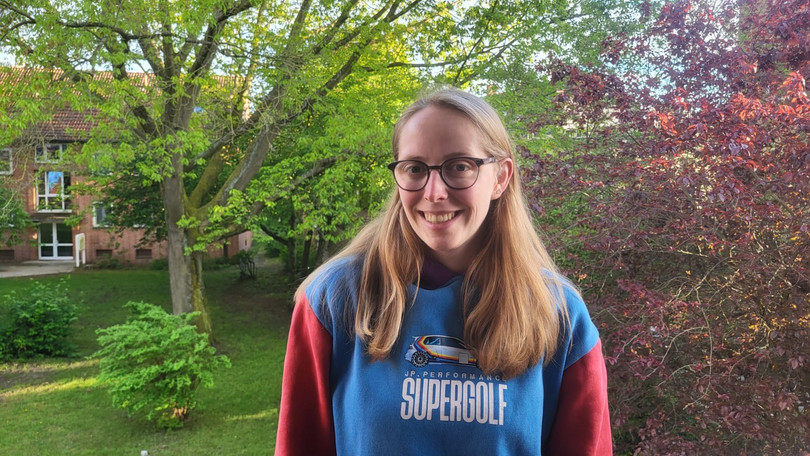
Cathrin's experiences
08.05.2026 After completing her bachelor’s degree in Teaching and Learning, Cathrin Göbel stayed at Leuphana to pursue a Master’s degree in Teacher Education for Primary Schools. She particularly appreciates the intensive practical phases of the program, the close interaction with teaching staff, and the vibrant campus life in Lüneburg.
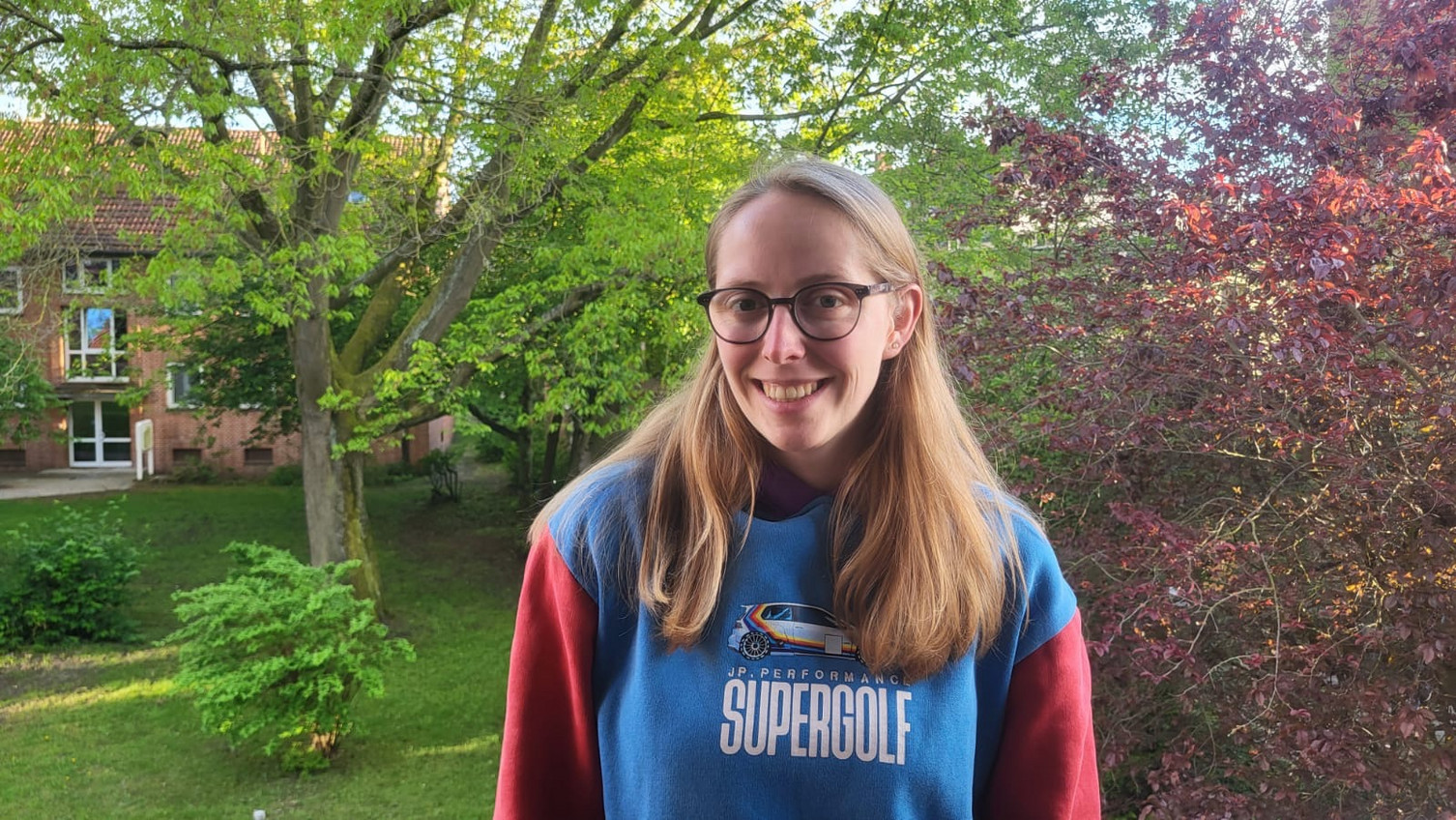 ©Privat
Why did you choose to study Teacher Education for Primary Schools?
I’ve grown very fond of both Leuphana and the city of Lüneburg itself. If you complete your Bachelor’s degree at Leuphana, the university makes the transition to the Master’s program easy, which really helped me with my decision. Since my goal is to start my teaching internship in Lower Saxony in February 2027, it was the only program that was truly an option for me. My involvement in university politics and the student council for education also contributed to my decision.
What were your expectations before starting the Master’s program, and to what extent have they been met so far?
I had hoped that the Master’s program would be more practice-oriented, and in that regard, my expectations have been met. Through the GHR 300 long-term internship, I had the opportunity to spend an entire school semester in a school and gain practical experience in the teaching profession. The internship included both pre- and post-reflection sessions, and I received feedback on my own teaching.
How do you experience the connection between theory and practice in your studies (e.g., through internships or school experiences)?
I really appreciate the combination of theory and practice at Leuphana. The long-term internship provides excellent insight into the practical side of the field. However, the integration of theory and practice in the other courses could still be significantly improved.
Which subject combination did you choose, and which content or skills from your subjects do you find particularly relevant for your future teaching practice?
I am studying German and Social Studies. In addition, these subjects are supplemented by what is known as the “professional development track,” which covers topics such as educational science, pedagogy, and psychology. The theoretical content I learned there can be easily linked to the content of my two chosen subjects and to teaching practice.
In my subjects, I found the planning and implementation of lessons and units to be particularly relevant for future teaching practice. Social Studies in particular is taught in a very practical, classroom-oriented way at Leuphana. We carried out projects with school classes, worked in the lab, and explored nature around the campus. The content of the German studies subject, on the other hand, is unfortunately very theoretical and is difficult to connect to teaching practice. In one semester, however, we focused extensively on spelling and also discussed learning strategies for the classroom.
What is the relationship like with other students and lecturers?
At Leuphana, the relationship with lecturers in most subjects is very much on an equal footing. The quality circles (feedback sessions designed to maintain the quality of teaching) offer a great opportunity for dialogue between students and teaching staff. I feel that throughout my entire studies, my opinion was heard and criticism was almost always received positively.
I also made great friends during my time as a student, for which I am very grateful. University life becomes so much easier when you go through it together. Through my work in the educational student council, I also made many connections with students from other semesters and degree programs, which really enriched my studies.
What do you particularly like about the campus and the city of Lüneburg?
The campus is really beautiful and green in the summer, and in the winter, fairy lights are hung up to create a cosy atmosphere. There is always something going on at the Mensawiese, and the potato wedges in the cafeteria are delicious. It’s not that easy to find an apartment in Lüneburg, but once you’re living here, it’s really lovely. I quickly fell in love with the charm of the old buildings and the Stint. Lüneburg is also the perfect sized city, not too small yet not a big either.
Have there been any experiences from your studies (e.g., internships) that have particularly impacted you or shown you that this is the right career for you?
I actually realized during my very first internship (in a secondary school) that I’d like to work in a school. The other two internships in primary schools just confirmed that for me. My first internship, however, had a particularly strong impact on me because I realized that I could also see myself working in a secondary school. I’ll be finishing my degree in primary school teaching this summer and am looking forward to working in primary school, but I wouldn’t be opposed to working in a secondary school as well, for example, through a secondment, if opportunities arise there.
What would you have liked to know at the start of your studies, and what advice would you give to new Teacher Education for Primary Schools Master’s students?
The two years really fly by incredibly fast. Especially because of the long-term internship, you’ll be on campus less during the summer. Just try to spend as much time as possible with your friends on campus anyway. And starting in your third semester of the Master’s program, slowly start working on your Master’s thesis.
Who is the Master’s program Teacher Education for Primary Schools particularly suited for, and what should interested applicants ideally bring to the table?
The program is generally suitable for anyone aspiring to become a teacher. However, the long-term internship in this program is a great opportunity to test whether the profession is actually right for you. So I would say you should bring curiosity, openness, and a bit of stamina to this program.
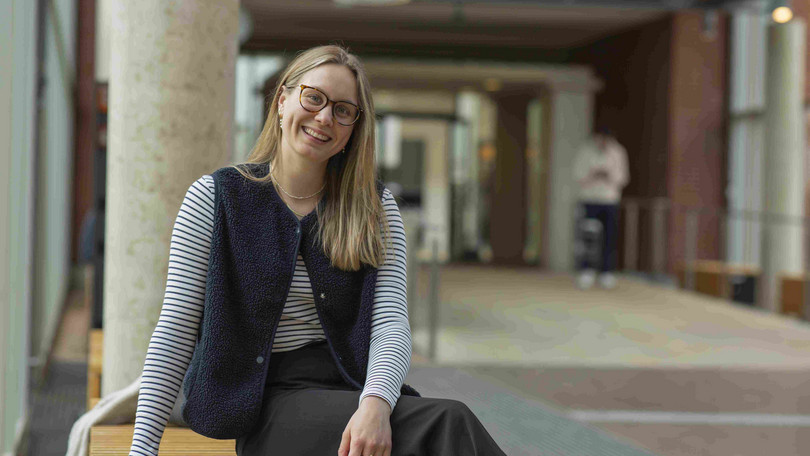
Hanne's experiences
03.05.2026 From an early age, Hanne Handorf knew that she wanted to become a primary school teacher. In the Master’s program Teacher Education for Primary Schools at Leuphana, she is now further deepening her subject-specific and pedagogical competencies while gaining valuable practical experience for her future profession.
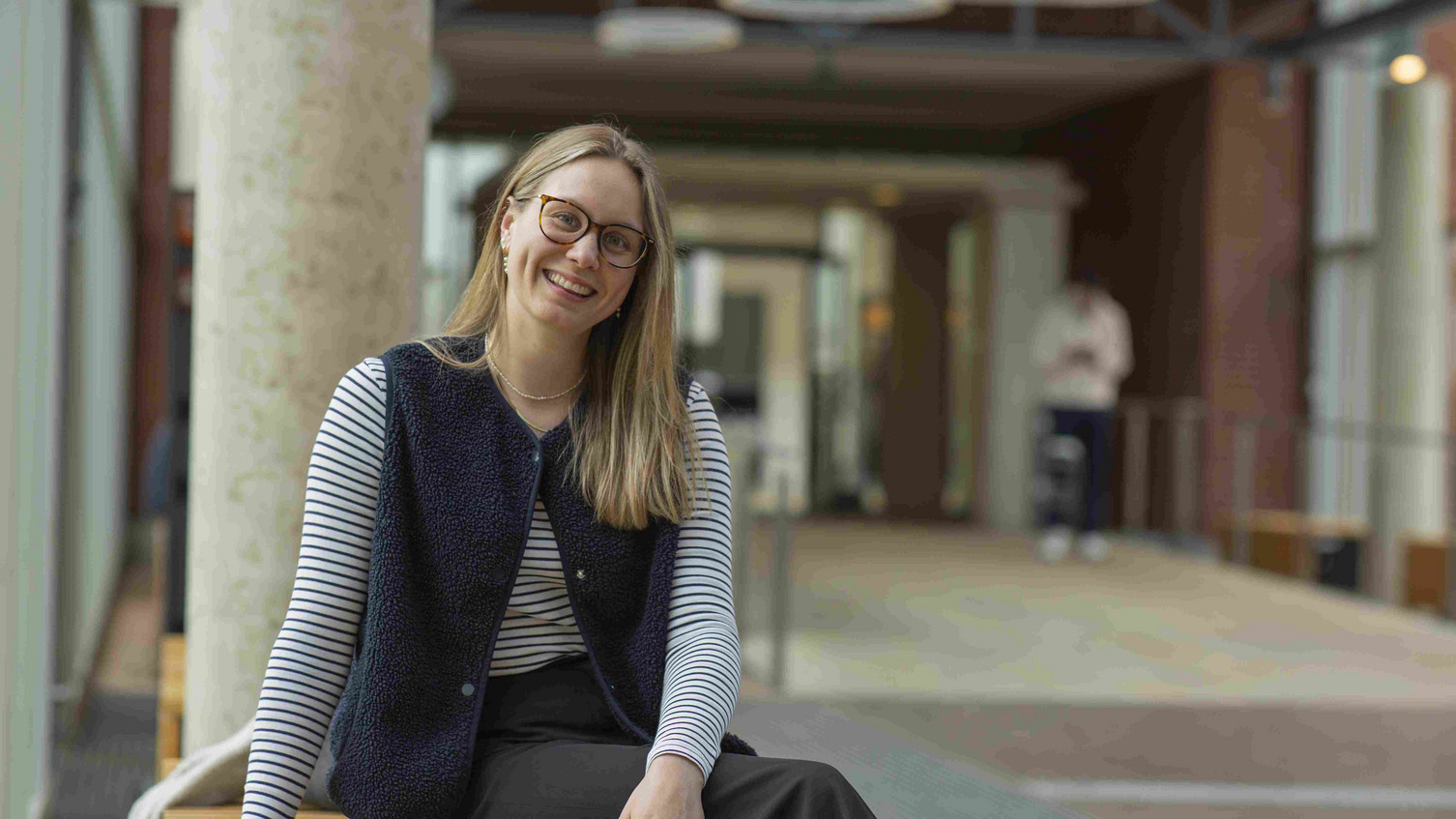 ©Leuphana/Phillip Bachmann
Why did you choose to study Teacher Education for Primary Schools?
I knew from an early age that I wanted to become an primary school teacher. After completing various internships and a year of volunteer work at an out-of-school learning facility, I decided to apply for the “Teaching and Learning” Bachelor’s program at Leuphana. The internships at different types of schools further reinforced my decision regarding my choice of school, so I decided to pursue this Master’s program.
I chose the program at Leuphana partly because I had a very positive experience with both the university and the city of Lüneburg during my Bachelor’s degree. I also made my choice based on the high proportion of practical and pedagogical modules. The Master’s program builds very well on the content of the Bachelor’s, allowing for a meaningful connection. Additionally, many of my fellow students have also stayed at Leuphana.
What were your expectations before starting the Master’s program, and to what extent have they been met so far?
Before starting the Master's program, my main hope was to expand my practical experience and to be able to apply the knowledge I gained during my Bachelor's degree more effectively in the classroom. The extended practical training phase, in particular, appealed to me greatly, as it offers the opportunity to gain an in-depth understanding of everyday school life and to gain my own teaching experience.
In addition, it was important to me to further develop my subject-specific and pedagogical competencies in my two teaching subjects in order to prepare myself as well as possible for the subsequent teacher training program (Referendariat). These expectations have largely been met so far, as the program provides practical insights while also deepening and linking theoretical content in a meaningful way.
How do you experience the connection between theory and practice in your studies (e.g., through internships or school experiences)?
I find the connection between theory and practice in my studies to be very well-balanced, although I believe this is also related to my combination of subjects. Thanks to the practical phase in the Master's program, we have plenty of time to gain extensive experience in the classroom.
In addition, I have already had many opportunities in Social Studies to collaborate with students and teachers. In German, too, I have been able to collaborate with professionals who are particularly involved in the field of second language acquisition (DaZ). These experiences complement my studies in a special way and allow me to further develop my skills in various areas in a targeted way.
Which subject combination did you choose, and which content or skills from your subjects do you find particularly relevant for your future teaching practice?
I am studying German and Social Studies. What I particularly appreciate about Social Studies is the subject’s multi-perspective approach. Lesson content can be viewed from different angles, which makes it possible to teach both natural science and social science topics in a holistic and real-world context. This opens up various approaches to learning and incorporates students’ interests and experiences more deeply.
In German, I have primarily acquired skills in the areas of language development and language support. These are particularly relevant for future teaching practice, as language is a central prerequisite for successful learning in all subjects. Especially when it comes to heterogeneous learning groups, it is important to provide targeted support to students in acquiring language skills and to promote individual learning processes.
What is the relationship like with other students and lecturers?
I find the atmosphere in my program to be very harmonious. Through educational science courses and the project-based work, it’s possible to connect with students from other disciplines, which I find very enriching. Additionally, because of the central campus, it’s easy to meet other students on campus outside of class.
The relationship with the teaching staff is also very pleasant. Especially in the smaller departments, there is a personal and open exchange that further supports and facilitates learning.
What do you particularly like about the campus and the city of Lüneburg?
For me, Lüneburg is the ideal place to study. The city isn’t too big, so everything is easily within reach. The Kurpark, the Illmenau River, and the many cafés and bars in the city center offer great opportunities to meet up with other students and spend your free time. If you ever feel like visiting a bigger city, Hamburg is just a short ride away on the Metronom train.
The Leuphana campus is very modern, bright, and green. With its many small seating areas, the outdoor lunch area (Mensawiese), and the café in the Central Building, it’s easy to take a breather and relax between classes. Additionally, there are regular and diverse events organized by the various student councils, the AStA, or the university sports department, where students from all programs come together and connect.
Have there been any experiences from your studies (e.g., internships) that have particularly impacted you or shown you that this is the right career for you?
Through the various internships I completed during both my Bachelor’s and Master’s programs, I quickly realized that my future career is exactly the right fit for me. Through my mentors at the schools as well as my professors, I received valuable feedback that was very helpful for my educational and personal development.
In addition, as part of various courses, I had the opportunity to visit schools and try out different teaching methods. Furthermore, I am very fortunate to be able to work at an primary school alongside my studies.
What would you have liked to know at the start of your studies, and what advice would you give to new Teacher Education for Primary Schools Master’s students?
Since I was already familiar with Leuphana from my Bachelor’s degree, I was generally comfortable with the university. Nevertheless, I would recommend that new students actively take advantage of the orientation programs before the semester starts. These not only help you get familiar with the procedures but can also make it easier to connect with fellow students. Looking back, I’ve also learned how important it is to find out early on about additional qualification opportunities, such as the DaZ certificate or similar programs. These complement the degree program very well in terms of content and offer the chance to set individual priorities and specifically expand your own profile for your future career.
Who is the Master’s program Teacher Education for Primary Schools particularly suited for, and what should interested applicants ideally bring to the table?
The program is suitable for anyone who wishes to enter the teaching profession at the primary school level. It may also be of interest to those pursuing an academic career in the field of educational science.
Thanks to the extended practical phase in the second semester, students have the opportunity early on to gain teaching experience and practice under supervision. The project portfolio also enables students to conduct empirical research in various areas of educational science and gain important insights. This fosters a deeper understanding of theoretical concepts and their practical application, such as when implementing different methods or teaching topics. Even though I knew from the start that I wanted to pursue a career in teaching, I was able to gain valuable insights here that have contributed to my own professional development.
Contact and Counselling
First contact point
The Information Office (Infoportal) is your contact point for
- general information on the application procedure
- initial questions about the study programmes offered at Leuphana
- making an appointment with the Graduate School Student Counselling Service.
Information Office
Building 8, Ground Level
Fon +49.4131.677-2277
studierendenservice@leuphana.de
Campus opening hours
Mon - Thu 9.00 am - 4:00 pm
Fr 9.00 am - 12 noon
Student Counselling
To make an appointment with our Student Counselling Service, please use our booking tool on our website.