
New at Leuphana: Prof. Dr. Thilo Kleickmann – “One in five children cannot read properly”
2026-11-24 Being able to read and understand a simple text is important for all school subjects. Yet even in elementary school, more and more children are falling behind. Through his research, the professor of elementary school education aims to help improve instruction and the professional development of teachers. Teachers should be even better prepared to recognize learning difficulties early on and provide targeted support to children.
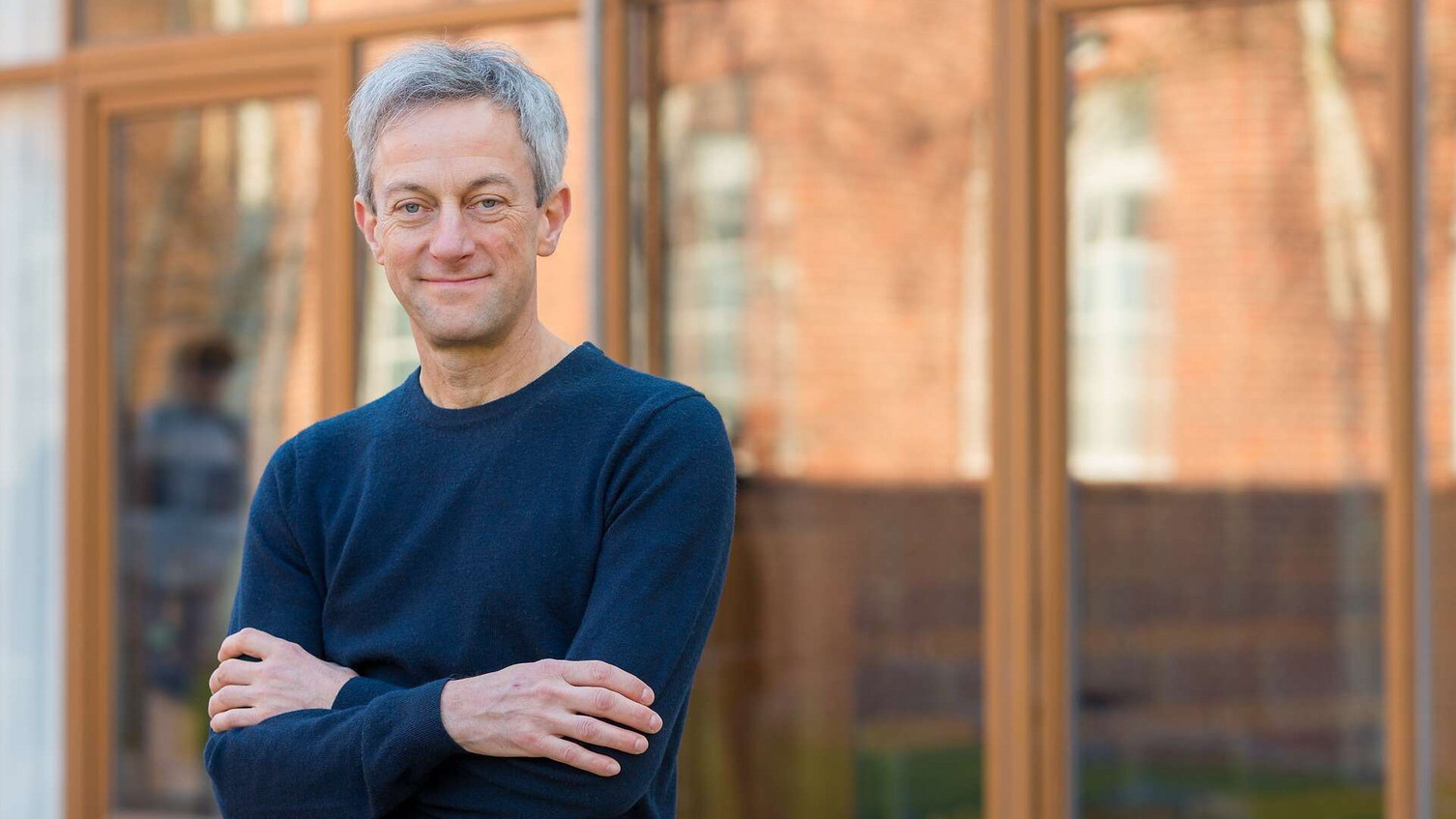
The figures are alarming: According to the IQB Education Trend 2021, roughly one in five children failed to meet the minimum reading standard at the end of fourth grade. “These children have difficulty reading even simple and short texts with comprehension. This not only means they face a poor prognosis for their future educational path, but it also makes social participation more difficult,” explains Prof. Dr. Thilo Kleickmann.
In elementary school, where (almost) all children of the same age group still learn together, the differences in knowledge and skills among the children are particularly large: “Some children can already read before starting school, while others still struggle with it at the end of fourth grade.” In the classroom, this heterogeneity is regulated, among other things, through the amount of work assigned: high-achieving children receive additional tasks.
What is often missing is a thorough assessment to provide children with precisely tailored learning support. Teachers must first identify where a child is struggling, but also where they can further build on their strengths. “The next question should be: Which task and which type of support will help which child?” says Thilo Kleickmann. For teachers, providing this tailored support in their daily work is a major challenge: “That’s why we also need to give more thought to digitalization in the classroom,” says Thilo Kleickmann.
Digital tools can help teachers keep track of the learning progress of the children in a class and improve the quality of instruction. A math app, for example, can help better assess skills and identify areas where support is needed. “There are already a number of tools that can provide meaningful support to teachers in this area,” says Thilo Kleickmann. In the coming years, he plans to investigate additional tools for schools and effective teaching.
However, effective teaching aims not only to develop knowledge and cognitive skills but also to foster motivation and social skills. In a longitudinal study involving 3,577 children from 140 classes in North Rhine-Westphalia, Thilo Kleickmann was able to show, for example, that high-quality instruction increased students’ interest in the natural sciences.
For him, key levers for improving teaching quality are: cognitive activation, constructive support, and effective classroom management. At Leuphana, he prepares future teachers for these challenges. But for him, learning does not end with college or pre-service training: In an experimental study involving 73 teachers and 1,039 children, his team compared professionally guided professional development sessions with self-study of teaching materials. The result was clear: the guided groups performed better in terms of teaching quality and the children’s learning outcomes. Higher-quality professional development thus also led to better teaching and better learning outcomes for the students.
The move from Kiel to Lüneburg took Thilo Kleickmann back to his professional beginnings. As an elementary school teacher of German, mathematics, and general studies, he focused primarily on training secondary school teachers in Kiel. At Leuphana, he hopes to continue working closely with subject-specific teaching methodologies. “Learning takes place largely within the individual subjects.”
Thilo Kleickmann studied to become a primary school teacher at the University of Münster from 1995 to 1999. In 2002, he passed the second state examination. He earned his doctorate from the University of Münster in 2008. From 2009 to 2010, he worked at the Max Planck Institute for Human Development in Berlin, then at the Leibniz Institute for Science and Mathematics Education (IPN) until 2012. Until 2015, he led the research group “Professional Competence of Teachers” at the IPN. From 2015 to 2026, Kleickmann held a W3 professorship in school pedagogy at Christian-Albrechts University in Kiel. Since 2021, he has been an appointed member of the Standing Scientific Commission of the Standing Conference of the Ministers of Education and Cultural Affairs (SWK). In 2026, he assumed the professorship in elementary school education at the Institute of Educational Science at Leuphana University Lüneburg.