
From St. Louis to Lüneburg: Social Work from a New Perspective
2026-10-05 You don’t always have to spend a whole semester abroad to experience your field of study from an international perspective. Last semester, the Institute for Social Work and Social Pedagogy at the Leuphana University Lüneburg, in collaboration with the School of Social Work at the University of Missouri, St. Louis (UMSL), launched a new exchange format: A program in which students from both countries, through two joint seminars, explored processes of bordering and (refugee) migration and their impacts on the theory and practice of social work. Seven students from Missouri visited Leuphana University in June for this program. In November ten Leuphana students will travel to the U.S.
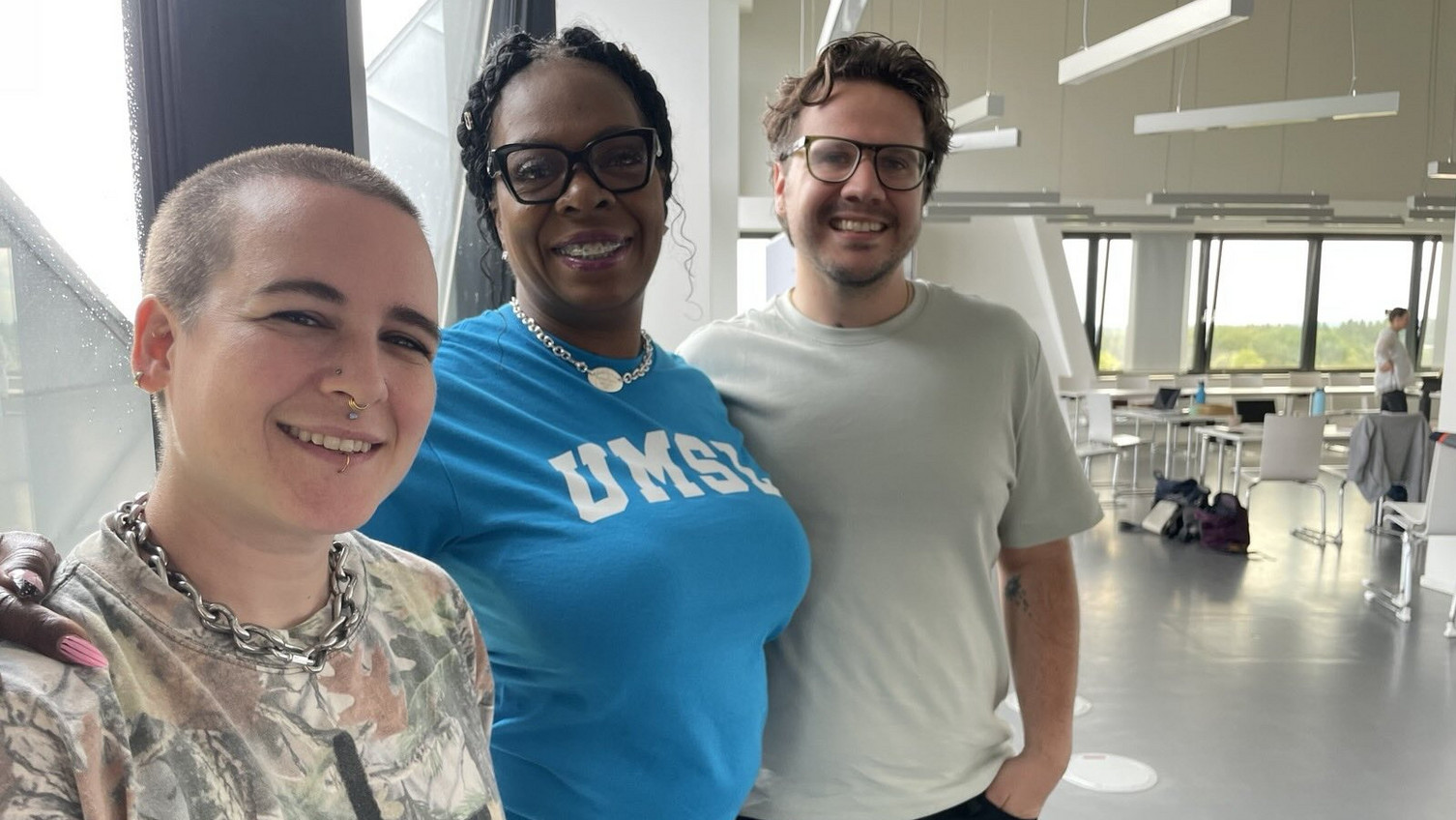
Ultimately, it becomes clear what connects social work practice in both countries: “People should always be at the center, not their status – whether in the U.S. or in Germany,” said UMSL bachelor’s student Christina on the last day of her stay. The differences that nevertheless became clear to her “can be found in the external systems and policy language that influence this practice.” She and her fellow students from St. Louis spent 14 days in Lüneburg. In addition to field trips to Rauhes Haus in Hamburg, the Asylum Proceedings Counseling Service and the Youth Migration Service in Lüneburg, the joint courses focused on unaccompanied minors, practices in migration-related social work, and the processes and dimensions of bordering and boundary-setting. These are topics that concern future social workers in both the U.S. and Germany. Alongside Dr. Laura Wenzel and Prof. Dr. Maren Zeller, Prof. Dr. Philipp Sandermann from Leuphana designed the program. He explains why he initiated the program with his colleague Prof. Dr. Florian Sichling from Missouri: “Germany is the third-largest country of immigration among Western industrialized nations, after the U.S. and Canada —this alone means we have many similarities that influence how the social work professions in both countries work. So students and researchers can learn much from one another.” However, for both, it’s not just about professional exchange: “International experiences always offer new perspectives on one’s own context. This can be extremely valuable for future work,” says Sandermann.
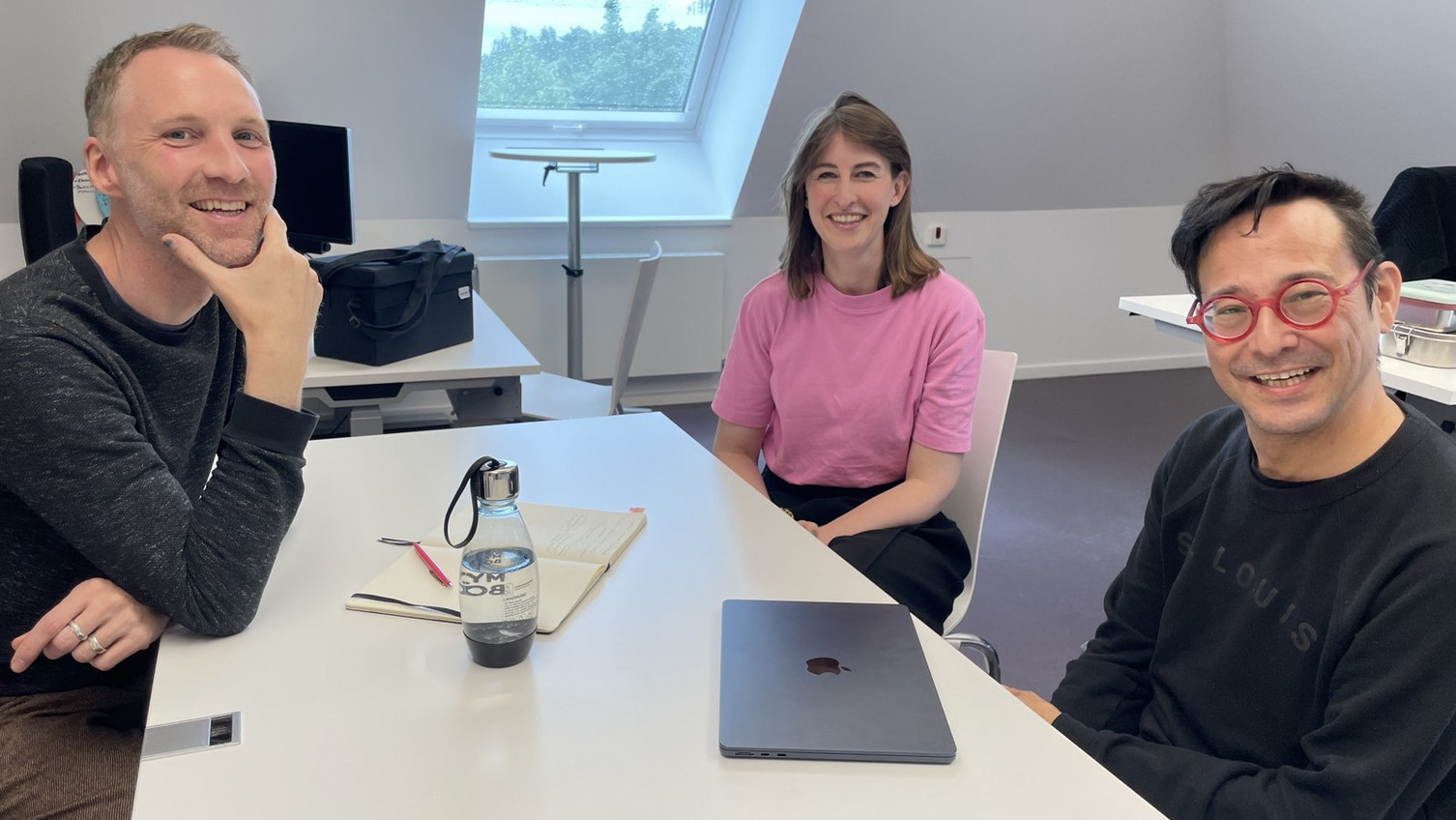
This shift in perspective also made an impression on the American students. For them, their stay in Lüneburg also meant being confronted with the unfamiliar: whether language barriers, difficulties finding their way around, or even experiences of racism in a population that is less diverse than that of St. Louis. “I’m now more aware of boundaries and borders, the physical ones, but also the invisible ones that we put up between ourselves and others. It’s important to think about and recognize these boundaries. And by recognizing them, we can help to break them down,” said John, a student in the Social Work Master’s Program at UMSL. The program was a formative experience not only for the guests from the U.S. “Personally, I was surprised that speaking in a different language with native speakers made me more shy,” says Josefine, a bachelor’s student in social pedagogy, adding: “This awareness of internal and external boundaries that we’ve gained from the seminar can be applied to various fields of social work or social work research.”
Akeeva, a student at UMSL who already works as case manager at a homeless shelter in her home country, is taking away a great deal for her own work, especially from the field trip to the Rauhes Haus: “I was impressed by how they offer a variety of services all in one spot. In the U.S., social work is much more fragmented. I’d like to incorporate some of the programs that I saw such as easier access to housing, education, and employment. I would like to see a unification of some programs like that back at St. Louis.” That’s where Leuphana students will be guests for two weeks in November. In addition to field trips, the focus there will also be on professional and academic exchange. Prof. Florian Sichling from UMSL: “Social work used to be strongly interconnected internationally. Concepts and ideas from one country inspired academic disciplines and institutions in other countries. And even today, there is much we can learn from one another. I’m delighted that we can pass this on to our students.” And: The faculty members are certain that this won’t be the last time they offer this program.