
Inclusion: How Diverse Building Blocks Strengthen Educational Equity
2026-11-23 Equal educational opportunities for all students in and around Lüneburg - that is one of the goals of the joint school development initiative by the Hanseatic City of Lüneburg and the Lüneburg District. A key component of this effort is the Regional Inclusion Concept, which is being developed under the leadership of the Regional Advisory and Support Center for Inclusive Schools (RZI) of the Regional State Office for Schools and Education. To find out what the ideal inclusive school looks like for children, parents, teachers, school administrators, and educational staff, researchers from the Leuphana Innovation Community for School Development and Leadership conducted 14 workshops with approximately 90 participants and used Lego® models to visualize the various needs.
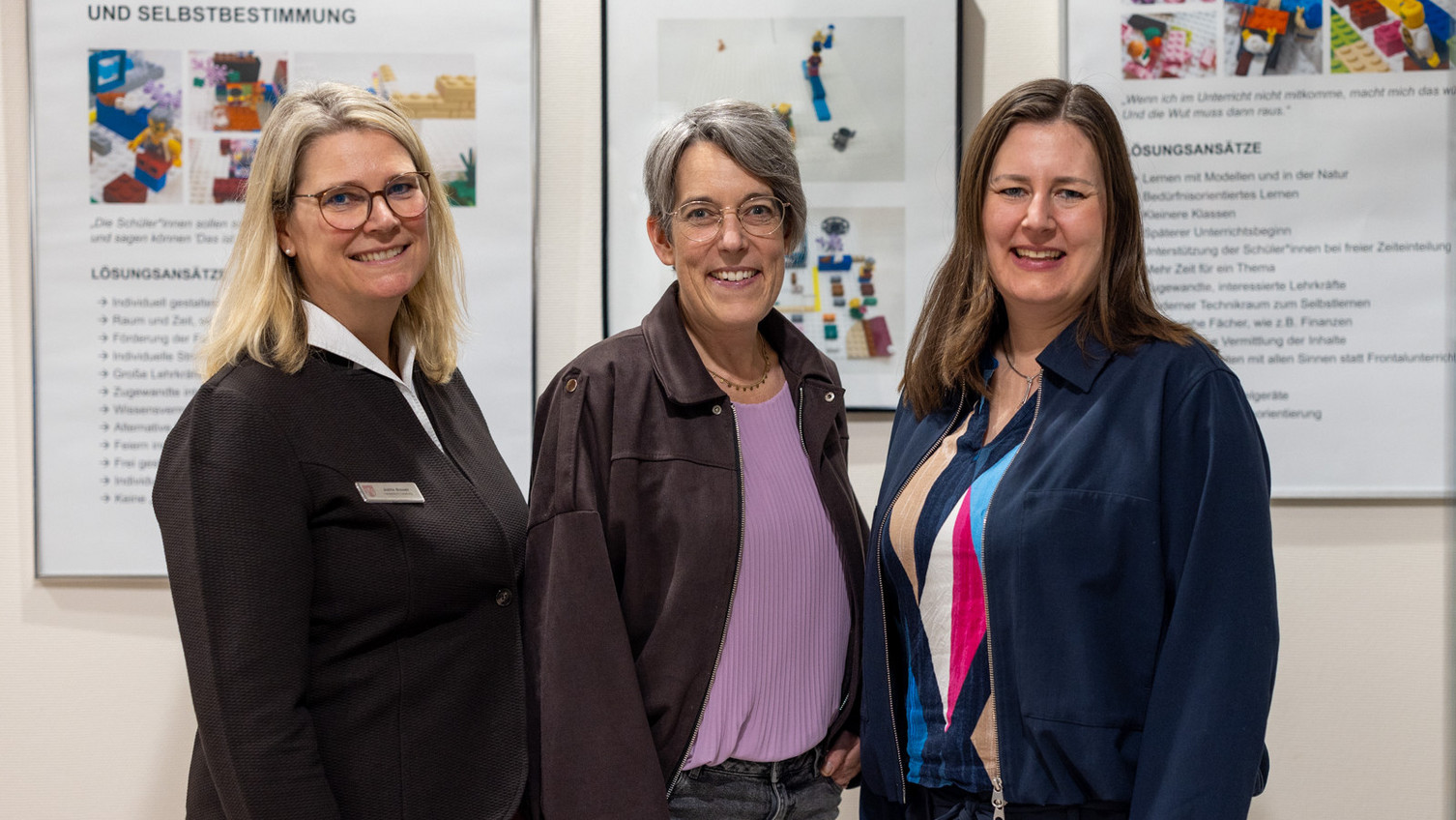
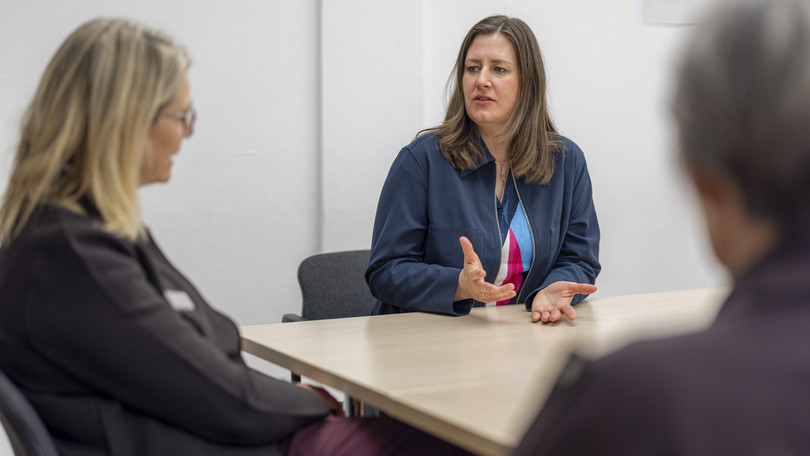
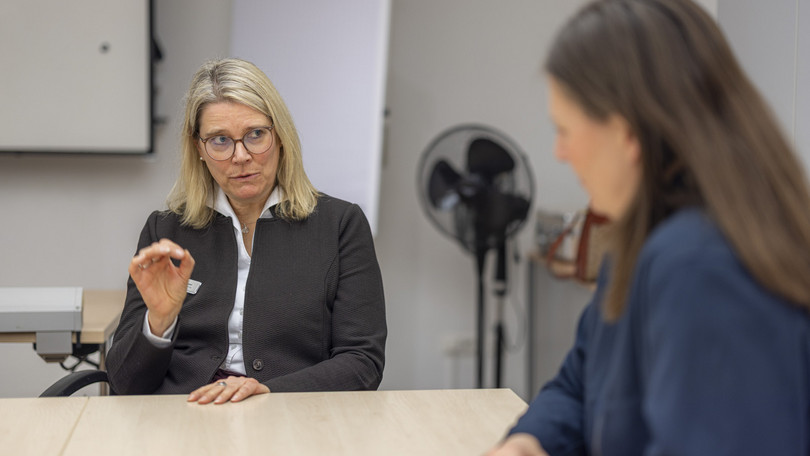
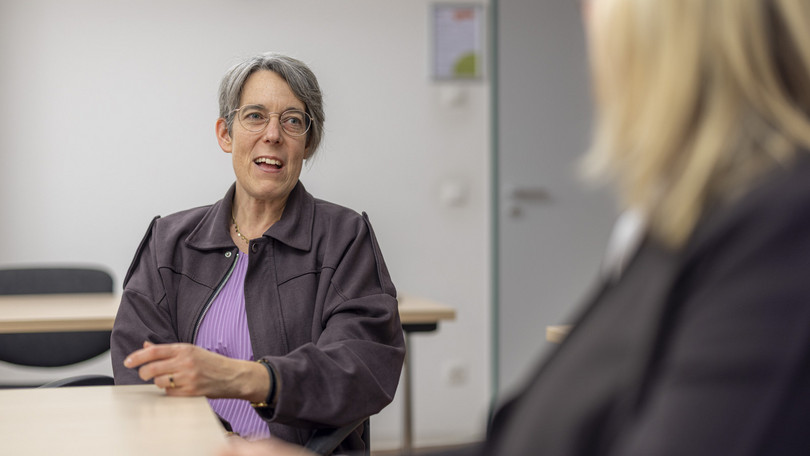
In this interview, Jutta Bauer, Head of the Family and Education Department for the Hanseatic City of Lüneburg; Freia Srugis, Head of the Education and Culture Division for the Lüneburg District; and Simone Abels, Vice President for Teacher Education and other areas at Leuphana University, discuss surprising insights and a groundbreaking collaboration.
A perfect inclusive school is …
Jutta Bauer: … a school that children enjoy attending, free from any pressure to perform, and with the certainty that they are gaining a solid foundation for a self-determined life.
Simone Abels: … a school for everyone to learn, where students feel comfortable, can contribute their experiences, and are seen.
Freia Srugis: … a school where every child enjoys learning, makes friends, and can thrive to the best of their abilities.
About 90 children, teenagers, and adults brought their vision of an inclusive school to life with Lego® models as part of a workshop series on the Regional Inclusion Concept. What particularly surprised you during this process?
Srugis: That children often wish for small things that can be implemented quickly—for example, being seen as individuals, or even physical changes like a quiet room, plants, or spending more time outdoors.
Abels: I find it alarming how basic things apparently aren’t taken for granted. When children demand clean restrooms or someone says, “Through the window, I can see the world outside that makes me happy.” Why can’t school make people happy?
What makes a method like Lego® Serious Play® so valuable for the school development process—even for adults?
Abels: It provides access to ideas that children might otherwise be unable to put into words. Sometimes you only realize what’s truly important to you during the building process. This ties in with the topic of inclusion: we’re looking for alternative approaches. The students then experience that they’re trusted to do a great deal and that their opinions matter. This also allows adults to empathize with others in a completely different way. Commonalities become visible, but so do things they might be imposing on children. Addressing these areas of tension opens up entirely new perspectives. And that’s how they find a new way to bring things up for discussion.
The Hanseatic City and the district are working closely together on the Regional Inclusion Concept. What are the biggest challenges and opportunities here?
Srugis: We want all students to have equal educational opportunities—whether in the city or in rural areas. The Hanseatic City and the District of Lüneburg are closely intertwined: any change on one side has an impact on the other.
Bauer: That’s exactly what has often been overlooked in the past. That’s why we’re embarking on a joint school development process—one that isn’t limited to inclusion alone: What types of schools do we need, and how do we distribute them? So that every child has access to the right educational pa
What added value did the researchers at Leuphana contribute?
Bauer: The method itself, the targeted reflective questions that reveal the needs underlying the models, and the analysis of the results—we couldn’t have accomplished that on our own.
Abels: For us as researchers, on the other hand, it’s a huge advantage not to be working in a vacuum, but rather on concrete questions that are relevant to the educational region. For example, when we learn where the boundaries lie in educational administration or how the interaction between the city and the county works. This mutual transparency—this opportunity to gain insight into each other’s worlds—enriches both sides.
What are the next concrete steps?
Bauer: Eight thematic areas were identified for the inclusion concept, and together with the school administrators, we’ve prioritized two of them to get started. The RZI is coordinating the process. Starting in December, working groups made up of teachers, school administrators, parents, and children will develop concrete solutions for the schools.
Srugis: Our goal is explicitly not to produce a PDF that ends up gathering dust. We want a modular approach from which each school can take what it needs. To that end, there will be a digital platform that continues to grow.
Abels: Beyond that, the next project for our collaboration is already in the works. We’re currently planning the 2027 Education Conference, where we’ll be able to build on the results of the workshop series very effectively.