Roundtable Discussion on AI and Innovation
The Trans-Nation Co-Creation project brings together leaders from various disciplines at the 2026 Falling Walls Science Summit
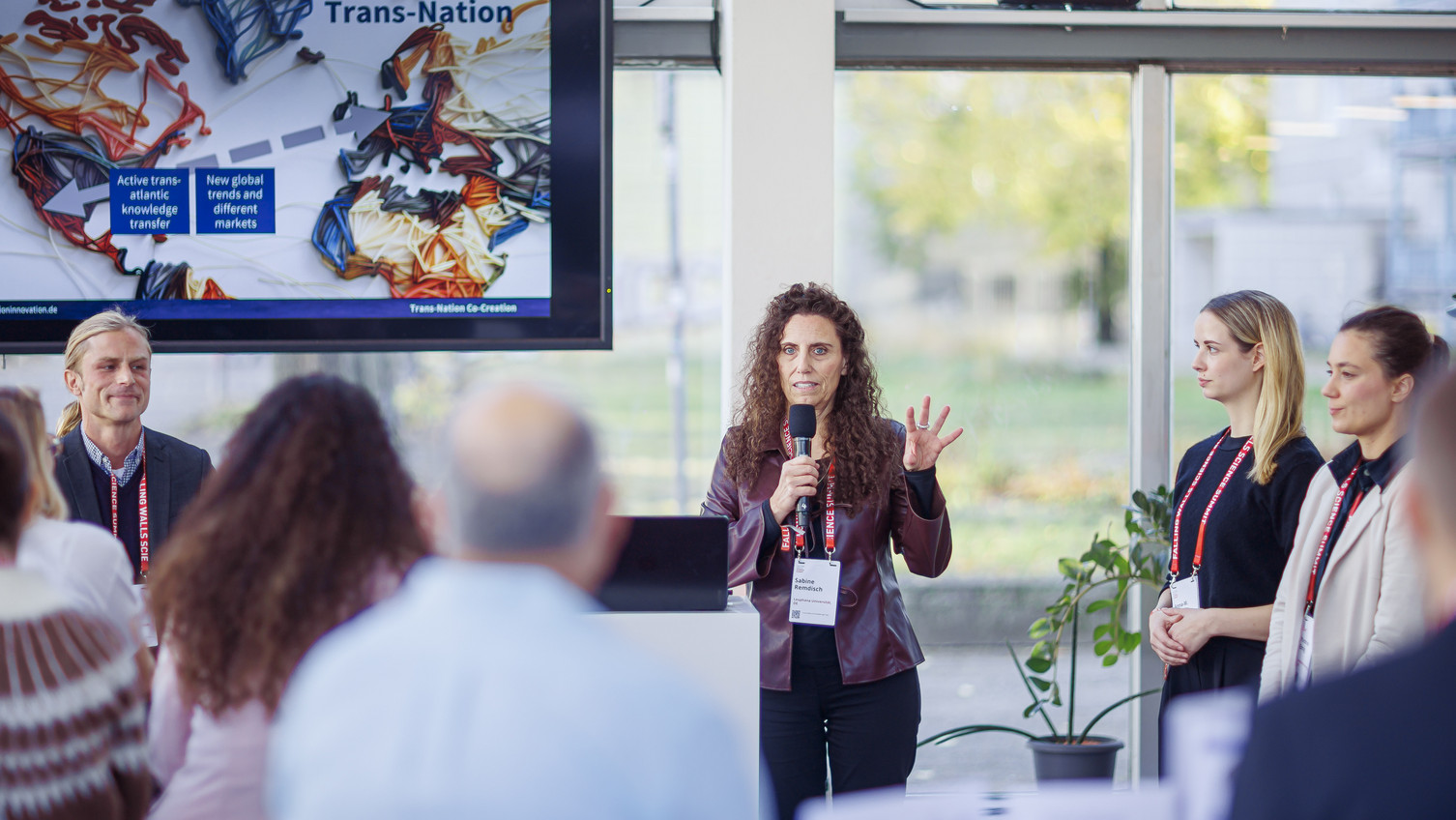
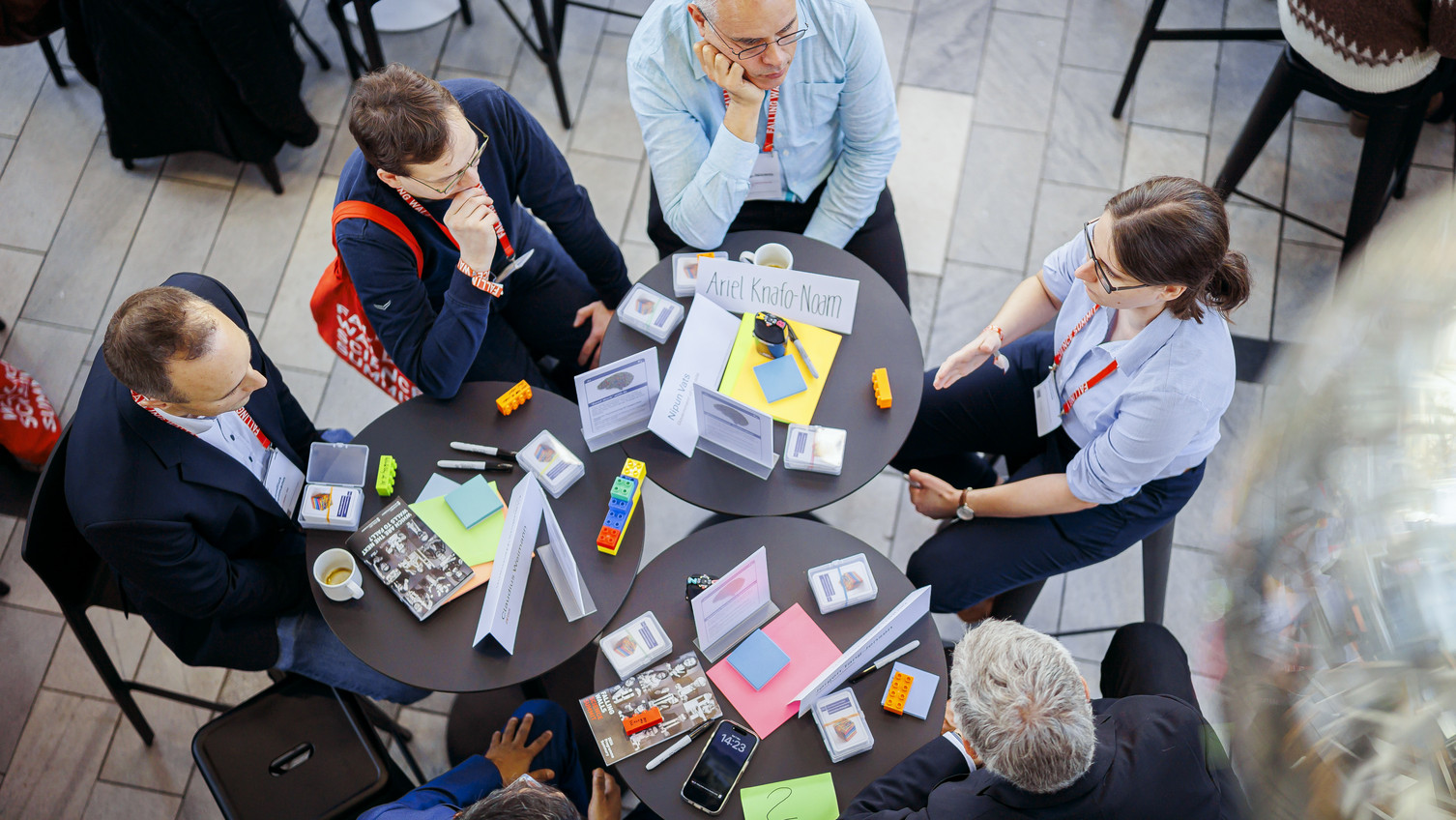
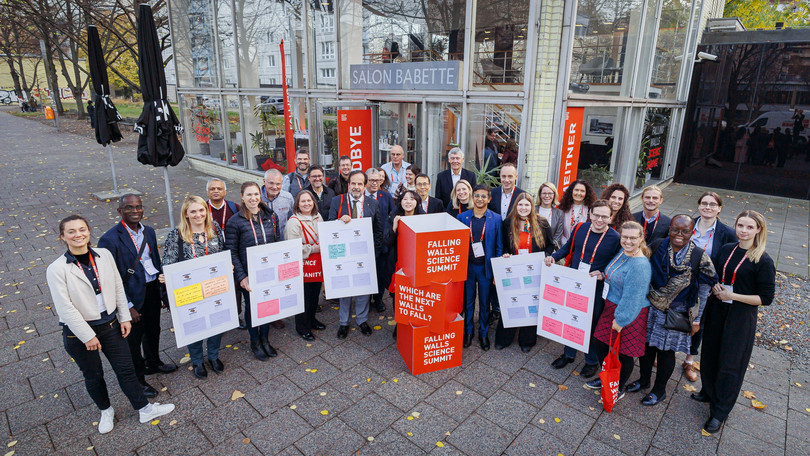
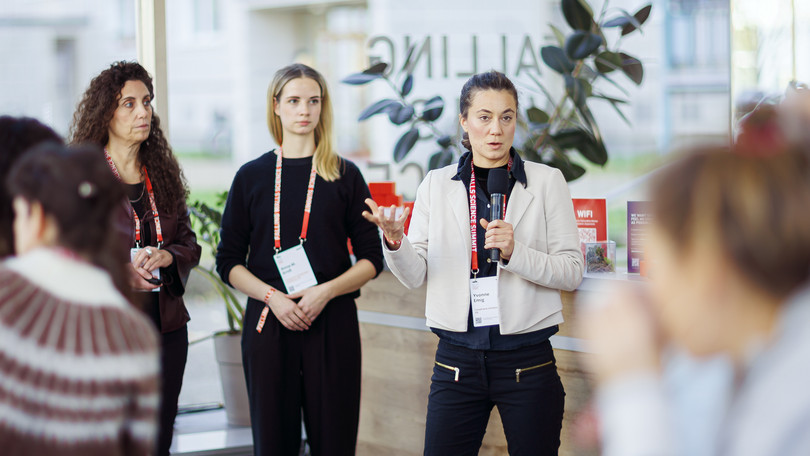
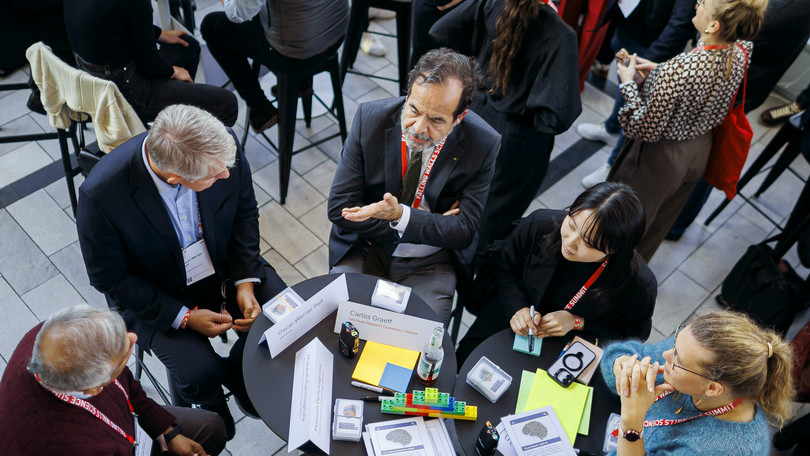
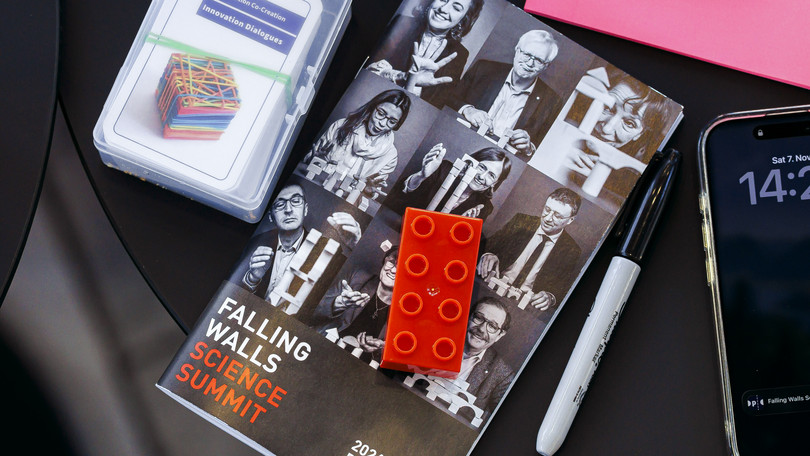
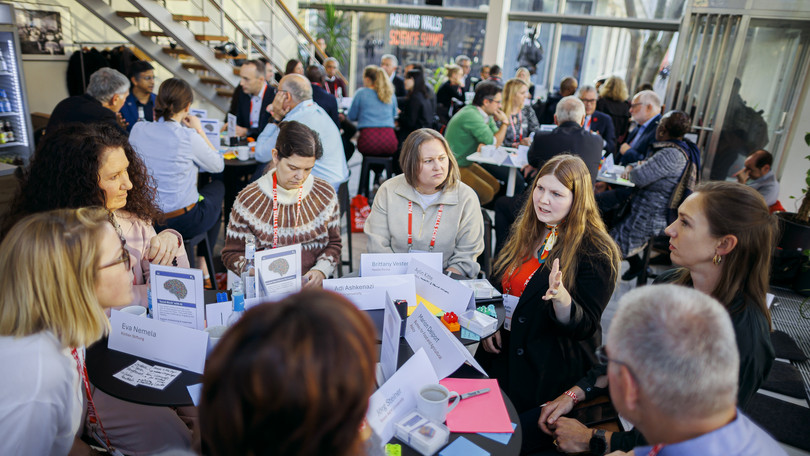
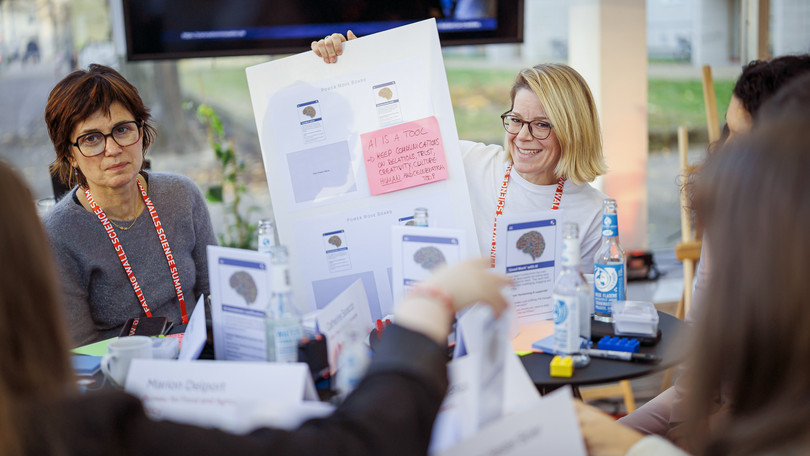
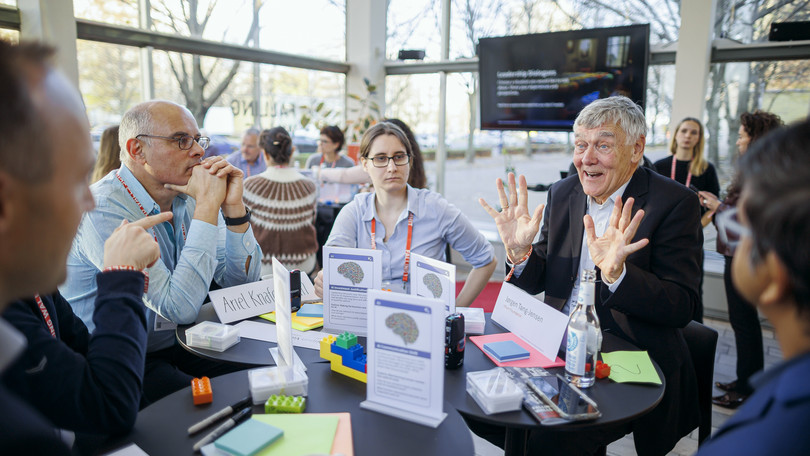
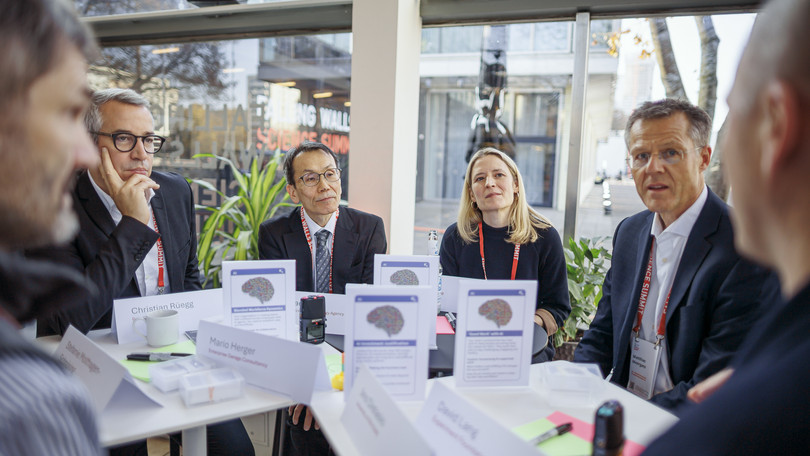
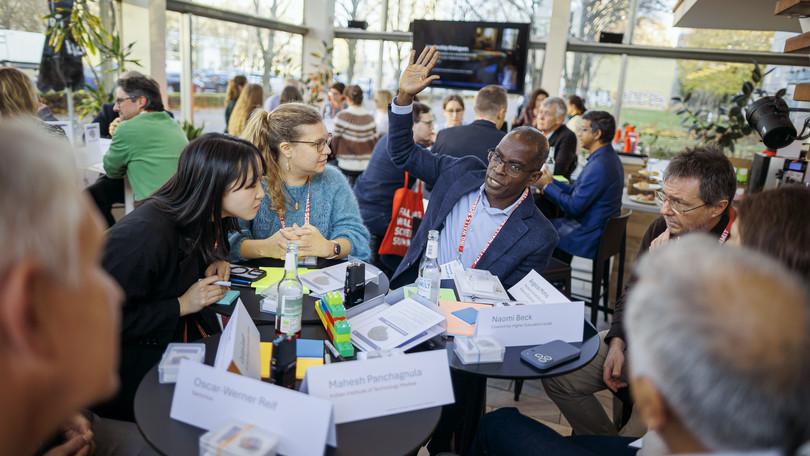
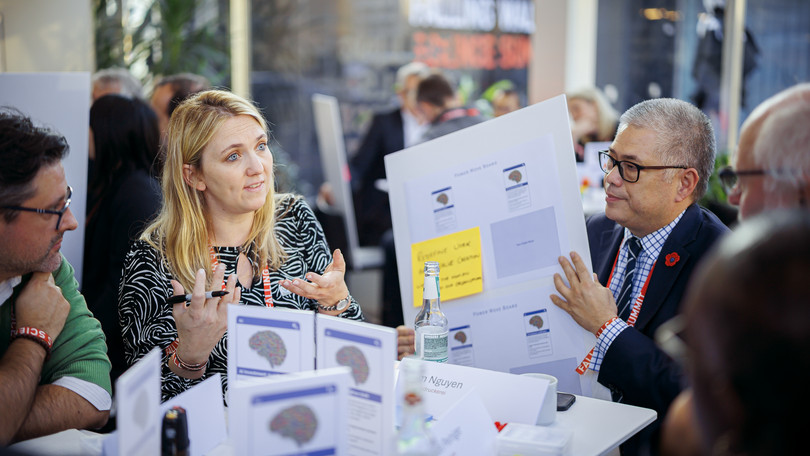
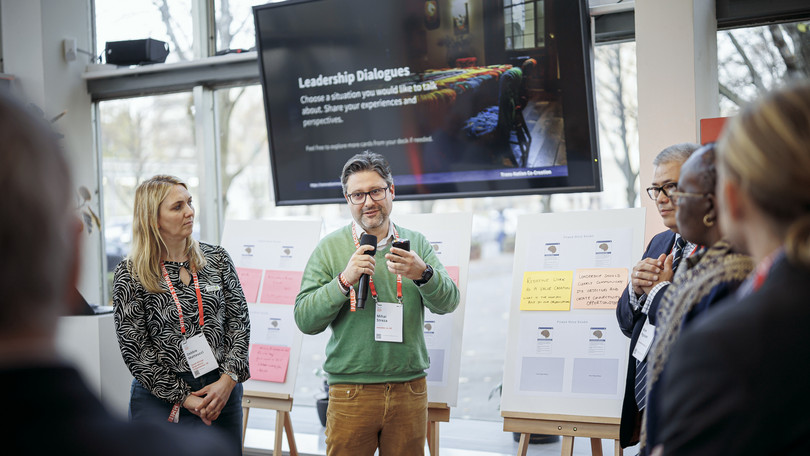
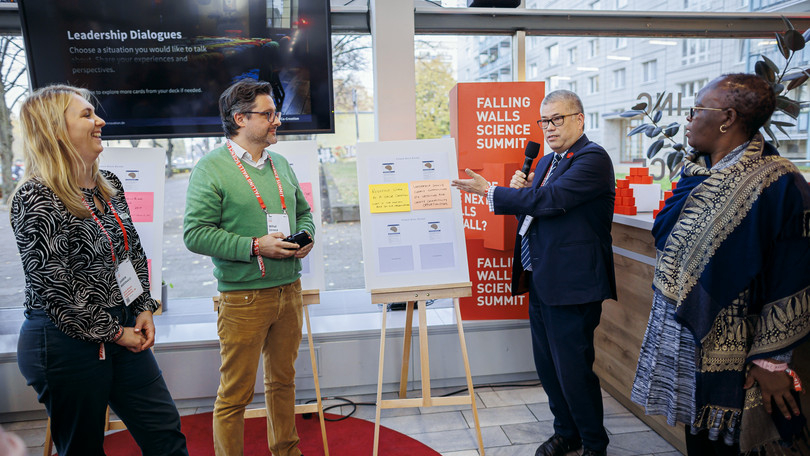
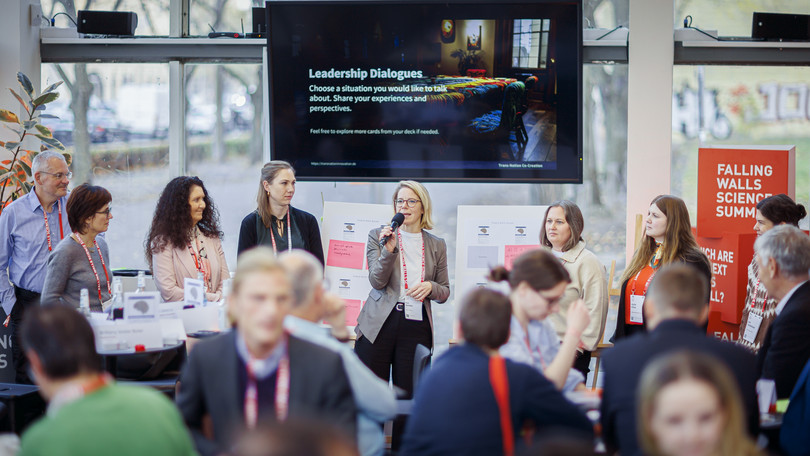
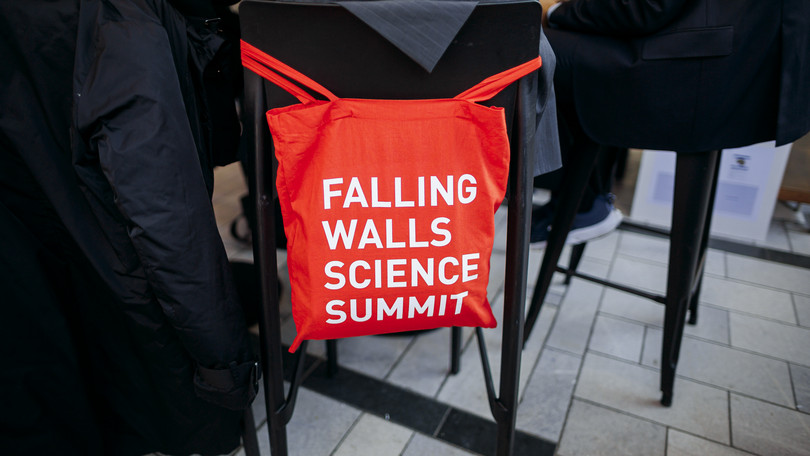
2026-11-18 Leading figures from the fields of science, industry, and politics gathered at the Falling Walls Science Summit 2026 to discuss pressing global issues under the motto “free science for humanity.” Once again this year, the Trans-Nation Co-Creation (TNCC) research project participated in the Falling Walls Science Summit in Berlin with its proven round-table format, the TNCC Leadership Dialogues.
 ©Thomas Trutschel/photothek.de
 ©Thomas Trutschel/photothek.de
 ©Thomas Trutschel/photothek.de
We spoke with Prof. Dr. Sabine Remdisch, director of the TNCC research project, about soft AI skills, AI transformation, and innovative leaders.
Dear Ms. Remdisch, at the Falling Walls Science Summit in Berlin, leaders from various disciplines came together for interactive roundtable discussions on the topic of “Soft AI Skills.” Please explain to us what you mean by “Soft AI Skills” and how leaders can utilize them.
Soft AI skills are the human abilities that will become crucial in an AI-driven work environment: At their core, they involve reshaping leadership, collaboration, and organization under these new conditions.
Leaders must guide people through changes driven by AI. They must establish new forms of collaboration between humans and AI and clarify which responsibilities remain with humans. Increasingly, they are leading mixed teams composed of employees and AI agents. At the same time, they must prepare their employees for changing roles and create a culture in which AI is used naturally and productively. Soft AI skills therefore include—in addition to an open mindset toward AI—above all critical judgment, adaptability, AI-oriented collaboration, and strong leadership. Success lies not merely in completing individual tasks more quickly, but in fundamentally redesigning work, teams, and organizations—to scale human strengths with AI.
During this year’s TNCC tour, you visited various innovation hubs in Germany and held leadership dialogues with executives from a wide range of companies. Were insights from this trip useful for the roundtable discussion at the Falling Walls Science Summit—and if so, how?
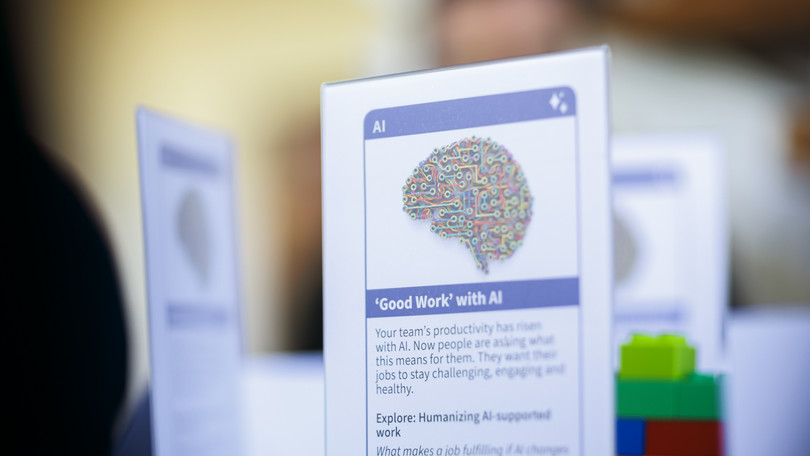
Yes, very specifically. During the tour, our interviews revealed a great deal about what’s really on executives’ minds right now when it comes to AI. One topic was the challenge executives face in maintaining “good work” with AI—that is, ensuring meaningful, challenging, and healthy working conditions even in the age of AI. At the same time, the discussion centered on changing job profiles and the formation of hybrid teams composed of people and AI, as well as the future of workspaces: smart rooms, avatars, robots—and how this is transforming corporate culture.
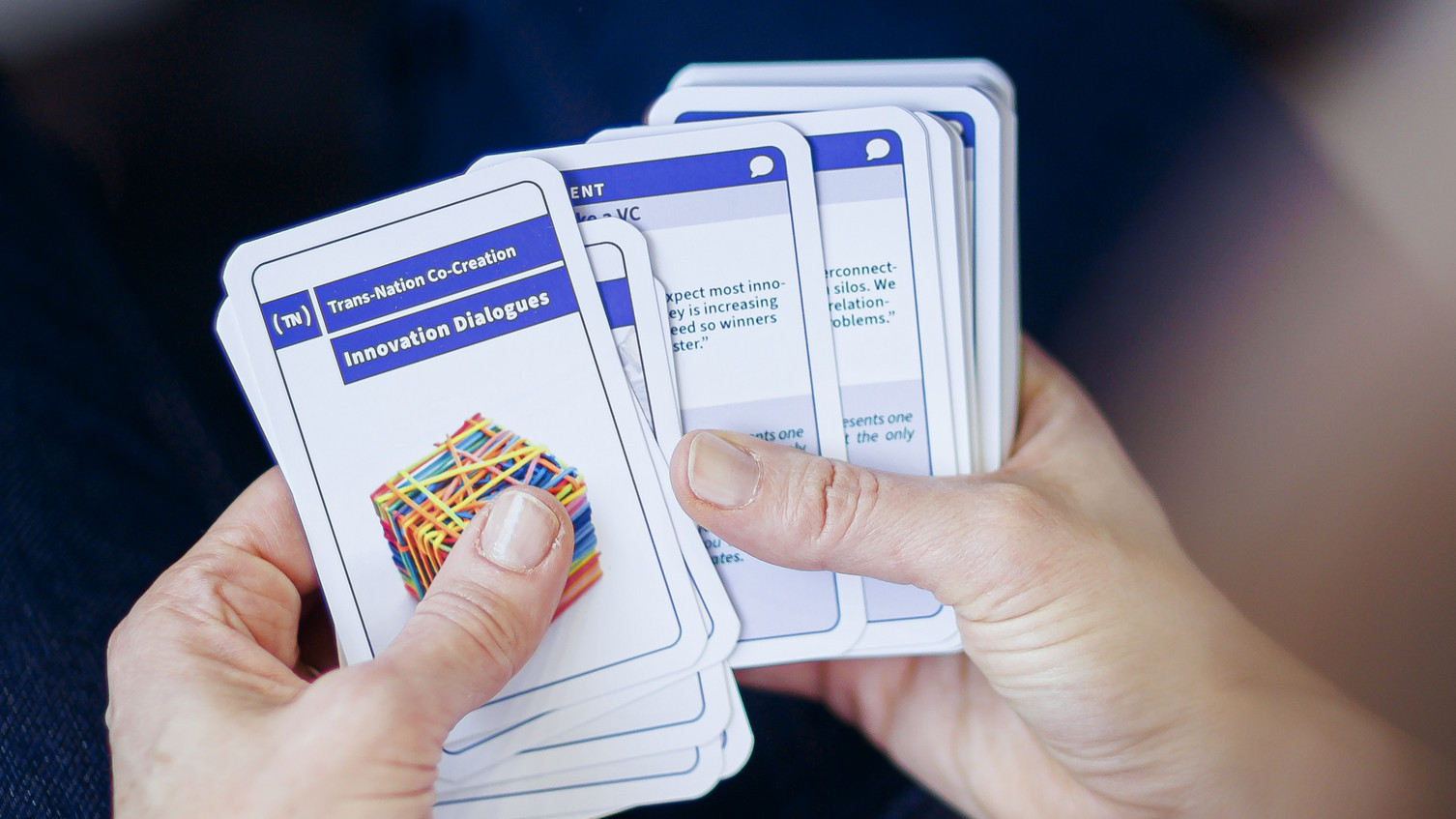
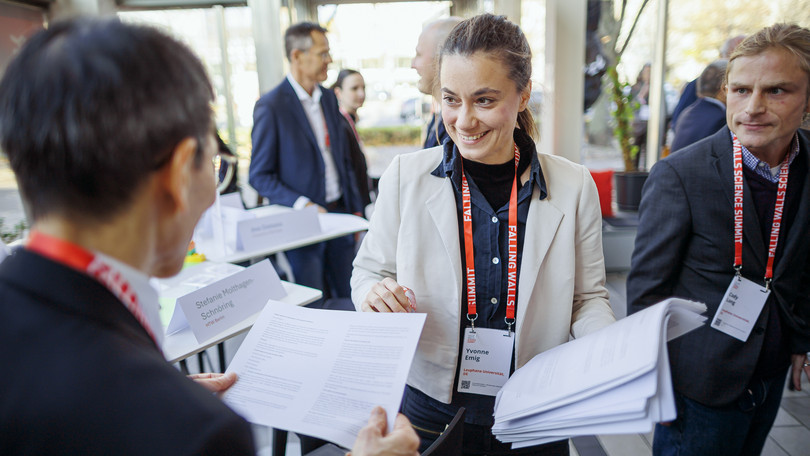
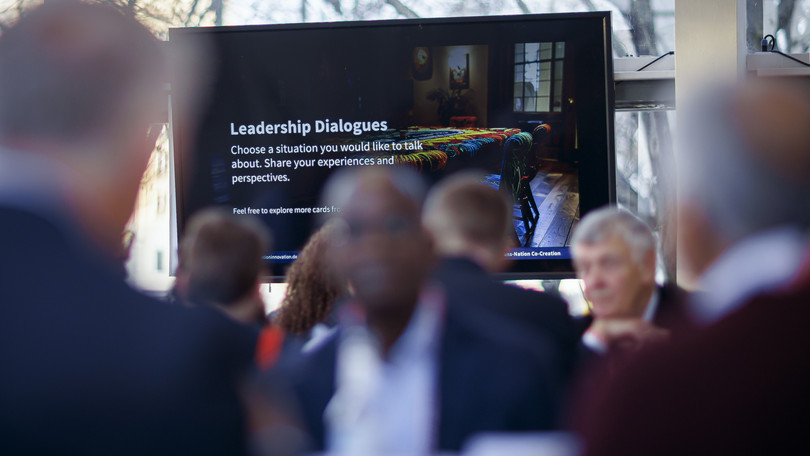
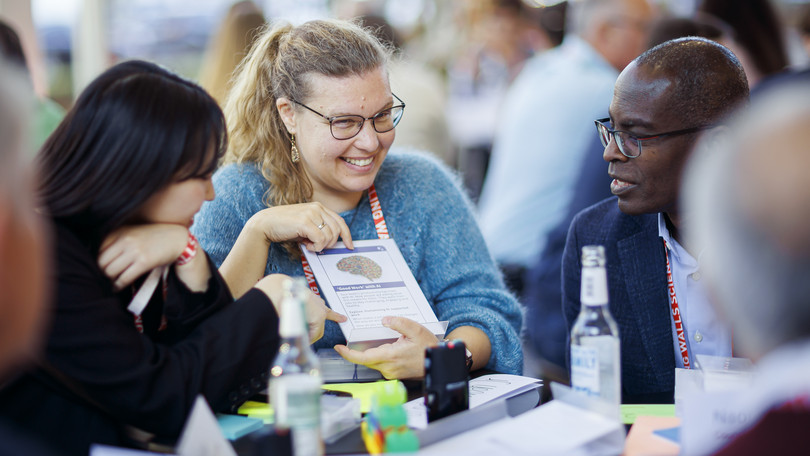
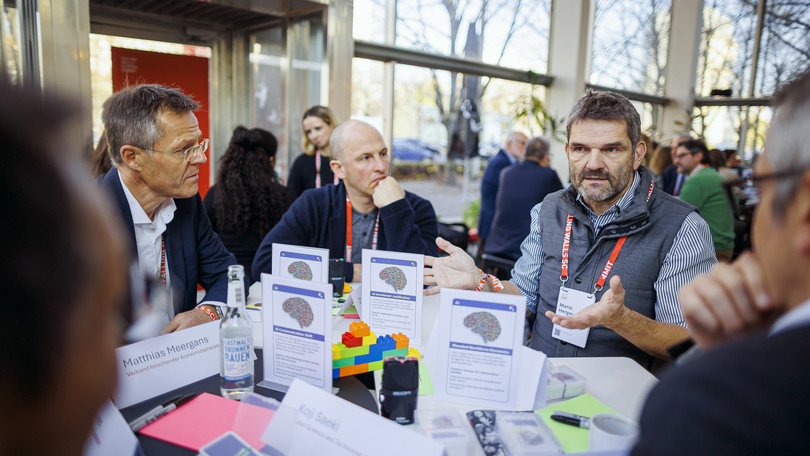
These insights were directly incorporated into the discussion questions that participants used at our roundtables during the Falling Walls Science Summit. For this purpose, we developed discussion cards, each describing a typical situation from everyday leadership practice and posing questions for discussion.
What ideas, insights, and perspectives emerged from the TNNC Leadership Dialogues at Falling Walls 2026?
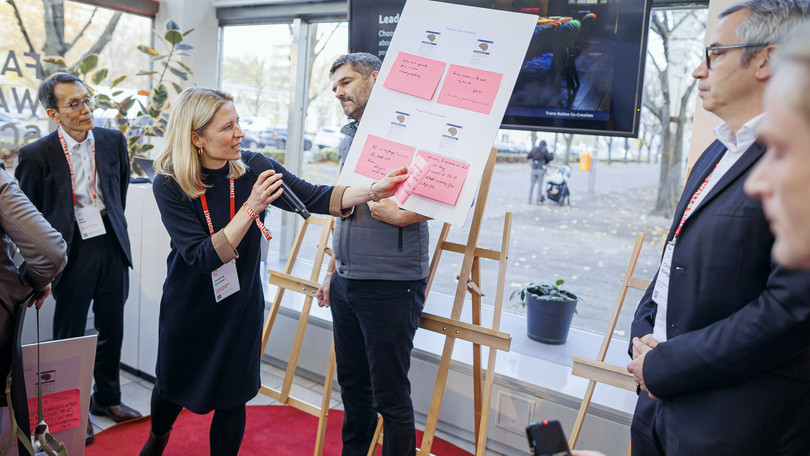
This year, too, it became clear that dialogue across disciplines, countries, and perspectives breaks down silo thinking, builds trust, and fosters new ideas. It became particularly clear just how similar the challenges are regarding soft AI skills and the AI transformation within their organizations. One topic was upskilling: What skills and professional development are needed for the AI transformation within one’s own team? Other key areas included resilience in the face of information overload and the clear role of AI as a tool: When it comes to relationships, trust, creativity, and culture, communication must remain human.
 ©Thomas Trutschel/photothek.de
 ©Thomas Trutschel/photothek.de
 ©Thomas Trutschel/photothek.de
 ©Thomas Trutschel/photothek.de
 ©Thomas Trutschel/photothek.de
 ©Thomas Trutschel/photothek.de
 ©Thomas Trutschel/photothek.de
 ©Thomas Trutschel/photothek.de
 ©Thomas Trutschel/photothek.de
 ©Thomas Trutschel/photothek.de
 ©Thomas Trutschel/photothek.de
 ©Thomas Trutschel/photothek.de
 ©Thomas Trutschel/photothek.de
 ©Thomas Trutschel/photothek.de
 ©Thomas Trutschel/photothek.de
 ©Thomas Trutschel/photothek.de
 ©Thomas Trutschel/photothek.de
 ©Thomas Trutschel/photothek.de
 ©Thomas Trutschel/photothek.de
 ©Thomas Trutschel/photothek.de
 ©Thomas Trutschel/photothek.de
 ©Thomas Trutschel/photothek.de
 ©Thomas Trutschel/photothek.de
 ©Thomas Trutschel/photothek.de
Can you give us a brief preview of the TNCC project’s upcoming activities in 2027?
A program is being developed for the 2027 TNCC cohort, featuring insights from innovation leaders in Germany and Silicon Valley—including workshops on AI transformation, peer labs, and a multi-day symposium. The central goal: for participants to directly apply what they’ve learned to their own transformation projects within their organizations.
Building on the success of previous cohorts, in 2027 we will strengthen our collaboration with our alumni—the TNCC Ambassadors—and make networking even more central.