
New project examines counseling services addressing racism in everyday school life
2026-06-08 In the research project “ProADiS – Anti-Discrimination Counseling in the School Context,” Prof. Dr. Ellen Kollender and Christina Biel are conducting the first comprehensive study of out-of-school counseling practices and structures for affected families.
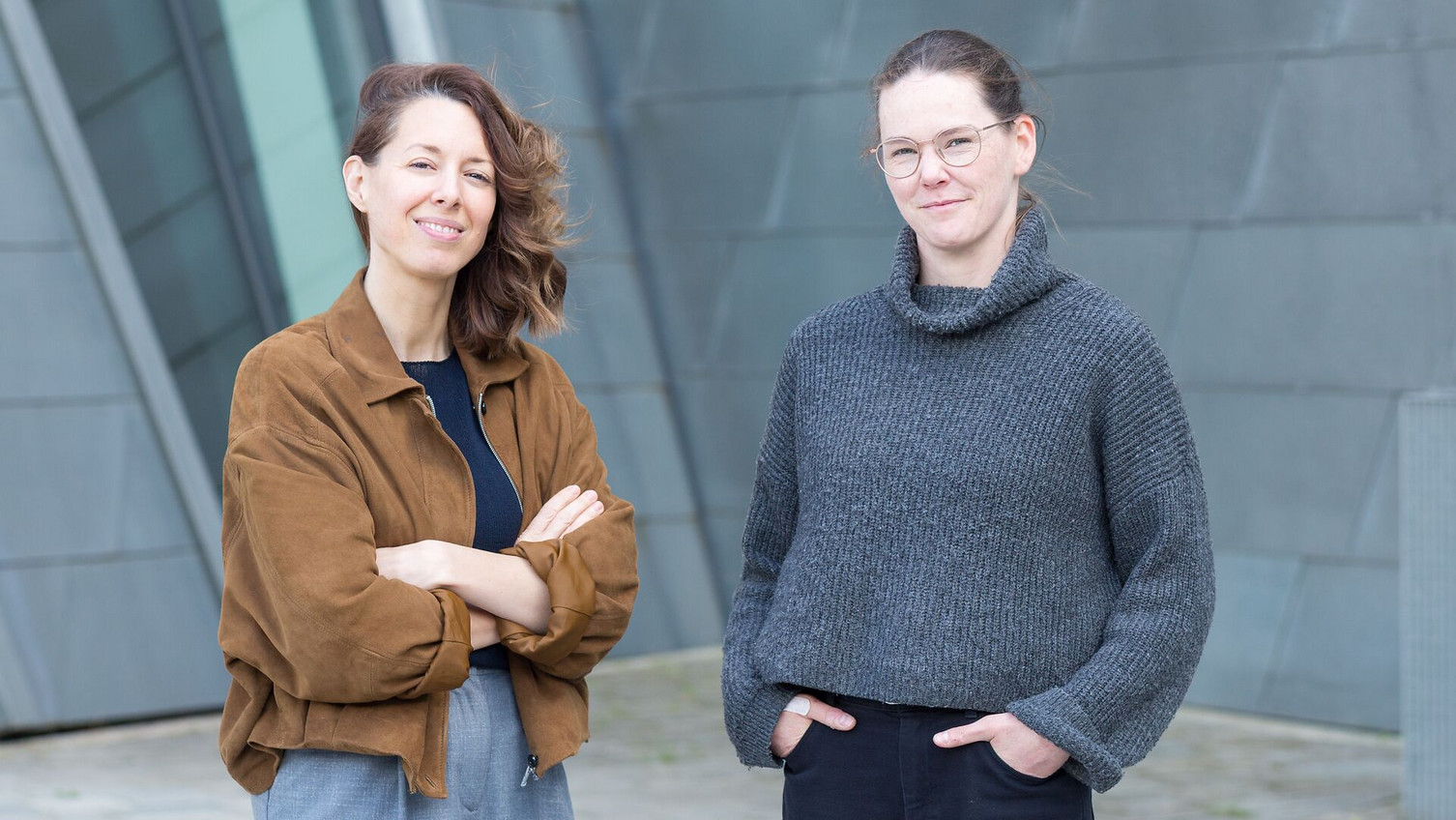
Experiences of racism and discrimination shape the daily lives of many people in Germany. This is particularly true in the education sector: the Federal Anti-Discrimination Agency alone recorded more than 550 complaints in this area in 2024. “Racism in everyday school life takes many forms,” explains Prof. Dr. Ellen Kollender, assistant professor of inclusion and diversity. “It manifests itself not only in the form of overt insults and lower grades, but also subtly through lower performance expectations, a lack of accommodations for disadvantages, or stigmatizing portrayals in textbooks.”
One reason these forms of racism often go unaddressed is gaps in legal protections within state and school laws. In addition, there is a lack of binding guidelines for addressing discrimination in schools, as the researcher describes: “Parents and students who want to stand up against discrimination repeatedly hit roadblocks. Their reports of discriminatory experiences at school are often not taken seriously or are otherwise dismissed,” explains Ellen Kollender. Extracurricular counseling and support services therefore play a particularly important role.
The research project initially focuses on how staff at such counseling centers support those seeking help, how they develop their professional skills, and what experiences they have in the school context.
Initial interviews with counselors are currently taking place in Baden-Württemberg, Berlin, Lower Saxony, North Rhine-Westphalia, and Thuringia. The analysis of the interviews will also take into account the respective sociopolitical and legal-administrative conditions. “In states like Berlin, anti-discrimination structures are already more firmly established due to persistent advocacy by civil society,” reports Ellen Kollender. “However, there are also federal states where anti-discrimination counseling is only just being established and needs to be made known.”
In a second step, the counseling experiences and needs of students and parents will be examined: “Sometimes people don’t come to counseling with the clear statement ‘I have experienced racism,’ but with a feeling that something isn’t right,” explains Christina Biel. “Precisely because complaints about racism in school are often downplayed, out-of-school counseling centers can help contextualize these experiences and strengthen the perspectives of those seeking advice.” However, some people also come to counseling specifically to discuss concrete options for action in cases of racial discrimination. This includes holding discussions with schools, requesting statements, or drafting letters of complaint.
This includes holding discussions with schools, requesting statements, or drafting letters of complaint.
By bringing these two perspectives together, the project also aims to identify current challenges and areas of conflict in counseling work. “In light of the rise of right-wing discourse and significant cuts to democracy-building funding, staff at civil society counseling centers report a growing delegitimization of their work and precarious funding conditions,” says Christina Biel.
The project is supported by an expert advisory board comprising practitioners and representatives from civil society. “It is important to us to closely integrate academia and practice. The advisory board helps us reflect on our research, establish contacts, and also clarify issues of research ethics,” explains Ellen Kollender.
In addition to scientific findings, the study aims to develop practical materials. These include teaching concepts for training prospective counselors as well as recommendations for a multi-professional, anti-discrimination-focused school development.
The project will run until 2028 and is funded by the Lower Saxony Ministry of Science and Higher Education (MWK) with approximately 250,000 euros.