
Co-creation as the key to ecosystem restoration
2026-06-01 New insights from the living lab in western Rwanda.
How can ecosystem restoration be designed in such a way that local communities are not merely the target group, but active co-creators? Researchers from the Institute of Ecology at Leuphana provide an update on the ongoing co-creation process at the real-world laboratory in Rutsiro in the latest post on the ‘Ecologically Speaking’ blog.
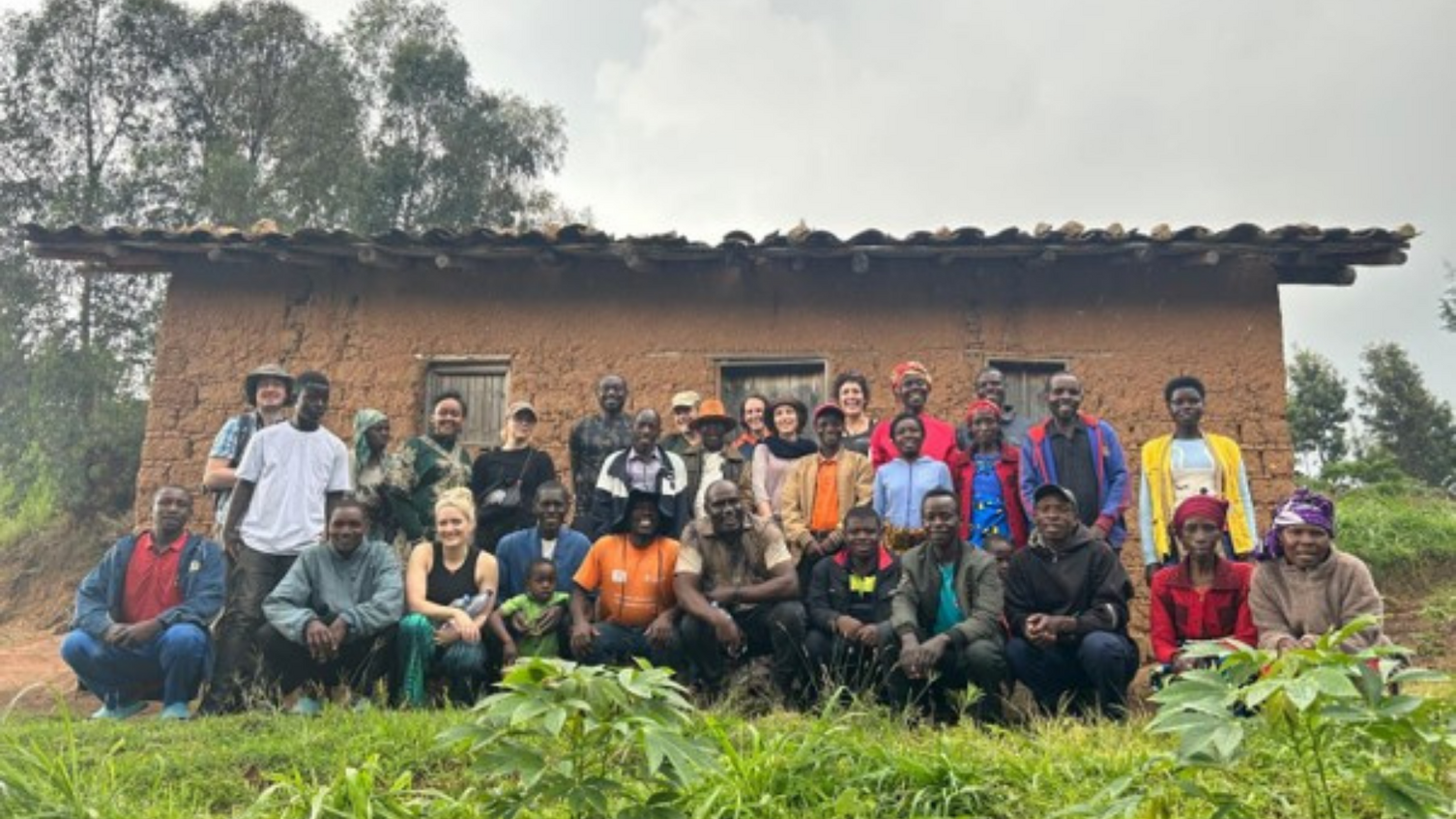
With the aim of reconnecting the local population with native tree species, the living lab is working with two different governance models: a stakeholder-based group comprising NGOs, public authorities, academia and the private sector, and a community-based group of local farmers. In workshops held in February 2026, both groups selected the tree species to be planted in the restoration experiments. The result: a species list comprising around 80% native tree species, representing a radical difference to the region’s previous practice of afforestation using non-native species.
You can find the full article on the co-creation process, the stakeholders involved and the next steps for the living lab here: Co-creating social-ecological ecosystem restoration in Western Rwanda: Important updates from the living lab – Ecologically speaking – Blog on Ecological Research at Leuphana University Lueneburg
Don’t want to miss any new blog posts? Then sign up for the email newsletter, which you can find at the bottom of the blog!