
New insights into the work of Leuphana’s Institute of Ecology
2026-07-29 How do Lower Saxony’s forests respond to heat and drought, how can wild bees and wasps be identified in in nesting aids? Two new posts on the ‘Ecologically speaking’ blog offer insights into the current research at the Institute of Ecology.
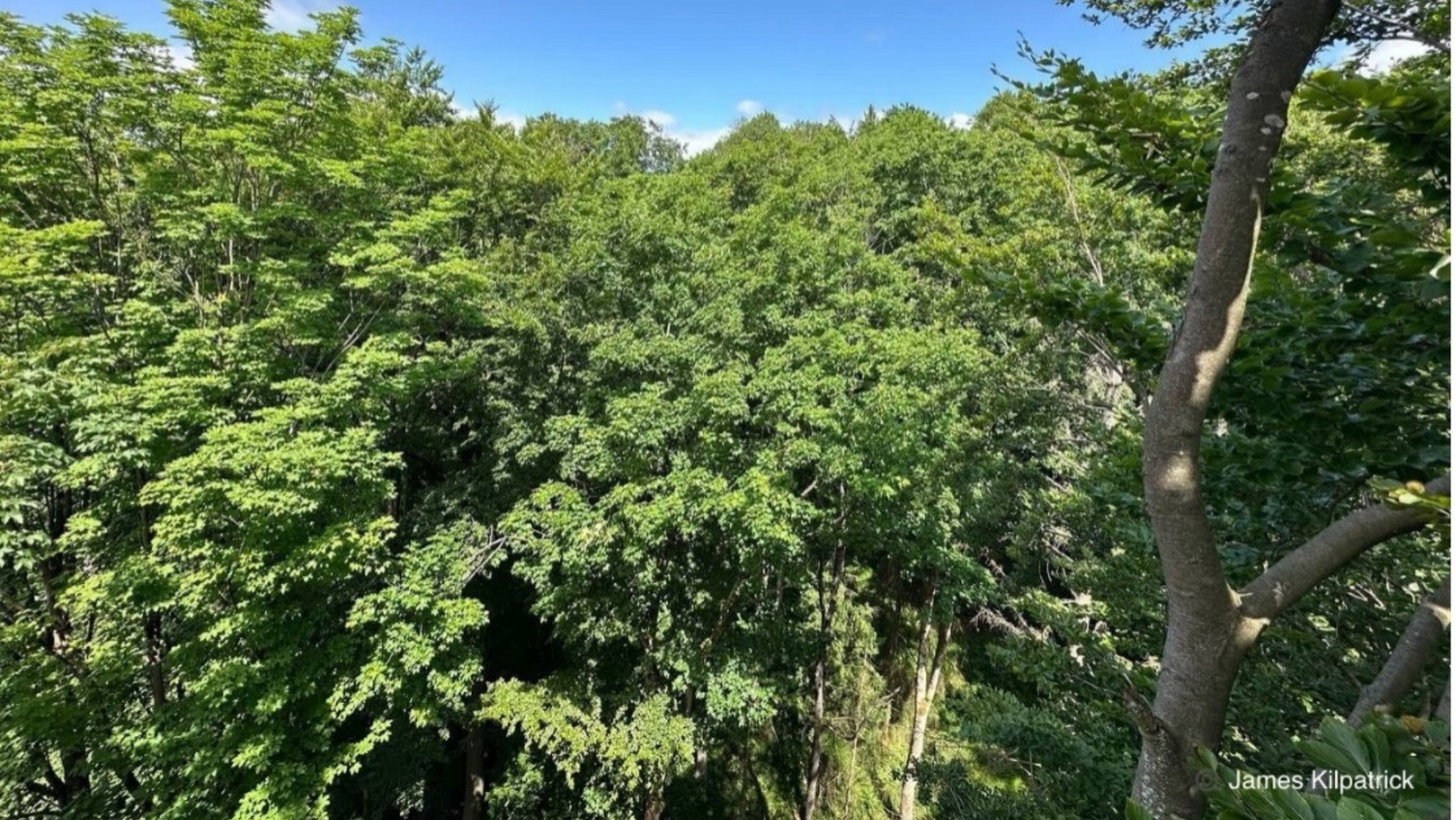
In the first article, the ecologists take us behind the scenes of the DIVERSA project, one of Lower Saxony’s five Climate Future Labs, which aims to find out how Lower Saxony’s forests are adapting to heat and drought. From tree climbers taking samples in the treetops, to measuring heat stress in the lab, to experiments in the greenhouse: this article shows what the DIVERSA research process looks like and what it takes to investigate the future viability of our forests.
You can find the full article here: A climate lab for the future: Lower Saxony’s forests under heat – Ecologically speaking – Blog on Ecological Research at Leuphana University Lueneburg.
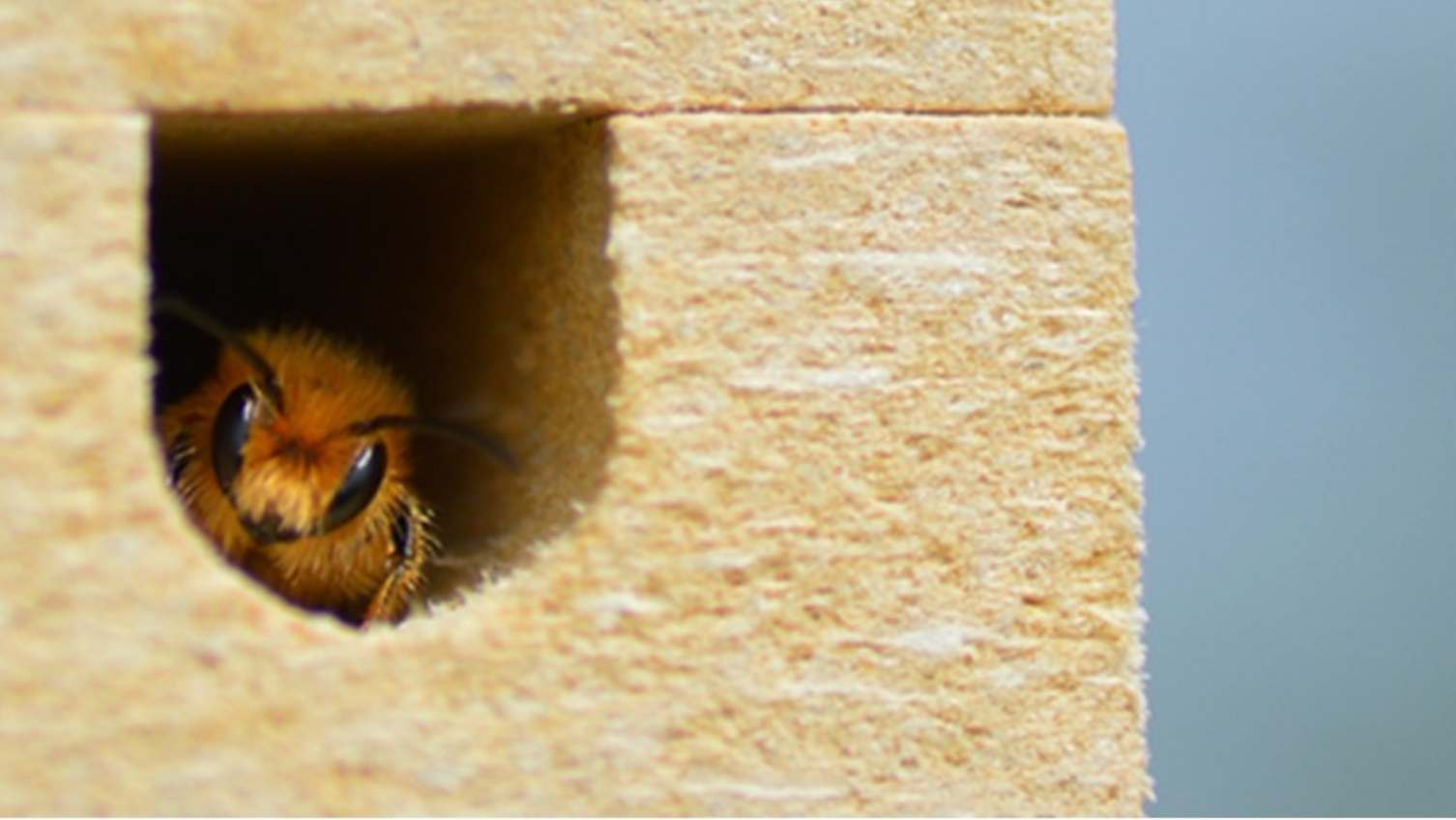
In the second post, we leave the forest and delve into the small ecosystems of nesting aids for wild bees and wasps. A new edition of the identification guide to wild bees and wasps in nesting aids has recently been published by the Johann Heinrich von Thünen Institute. It was co-authored by Swantje Grabener, a research assistant in the Animal Ecology Group at the Institute of Ecology at Leuphana. The blog post explains why these insects and their nesting aids are so important for the conservation of biodiversity, and why more people should give such an identification guide a go.
You can read the full article about the identification guide here: Tracking wild bees and wasps in nesting aids – A guide to identification – Ecologically speaking – Blog on Ecological Research at Leuphana University Lueneburg.