
Global Environmental and Sustainability Sciences: Leonie Rauchholz – Experiencing Sustainability
2026-07-09 Study abroad semesters in Mexico and Norway, tracking supply chains—locally in Colombia, globally in India: For the 24-year-old alumna, her time at Leuphana College was much more than just lecture halls and seminar rooms. During her international stays, she gained experiences that had a decisive impact on her academic training. Prospective students can apply for the Bachelor’s program in “Global Environmental and Sustainability Sciences” and other degree programs at Leuphana College until July 15, 2026.
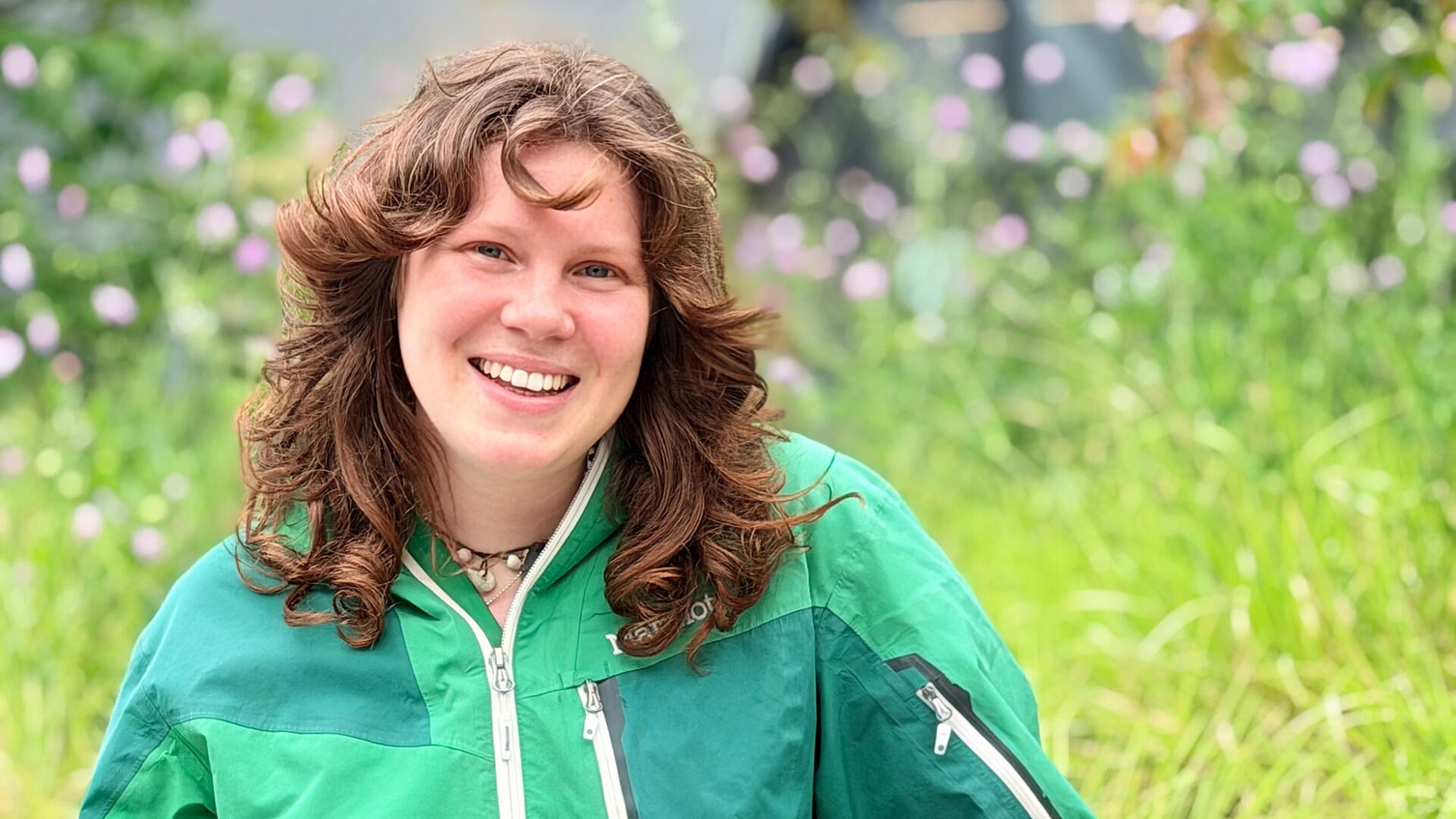
After graduating from high school, Leonie Rauchholz knew one thing for sure: she wanted to study environmental sciences. However, she did not look solely to the natural sciences for answers to questions about the global sustainability transformation. The “Global Environmental and Sustainability Sciences” program at Leuphana University Lüneburg won her over: “I’m particularly interested in how we, as a society, can bring about the transition to greater sustainability,” she explains. The interdisciplinary combination of natural, social, and economic sciences led her to Lüneburg. In this English-language program, students acquire key competencies that enable them to contribute to sustainable development at the international and systemic levels.
This is precisely the path Leonie Rauchholz took, with various semesters abroad and scholarship programs for internships in Mexico, Norway, Colombia, and, above all, India: Through the ASA development policy program, she traveled through India together with a project partner. Together, they traced the entire supply chain of a fairly produced organic cotton T-shirt —from the cotton fields through the spinning mill, dye house, and sewing workshop to the finished garment.
Leonie Rauchholz conducted interviews, took photos, and gathered impressions. These are currently being compiled into a magazine that not only explains production processes but, above all, tells the stories of the people involved. Particularly moving for the student was a conversation with seamstresses at a fast-fashion export factory. “They told me that they hardly drink anything during their shift so they don’t have to go to the bathroom. The pressure to produce is extremely high,” she reports. These encounters showed her just how much suffering can lie behind even cheap, conventional products: “Many sustainability issues often seem far removed. Stories about people make them tangible.”
Theoretically, Leonie Rauchholz had already explored sustainability management and supply chains during her studies. She was particularly and deeply impressed by Professor Dr. Michael Braungart’s Cradle-to-Cradle concept. The idea of designing products from the outset so that they can be fully reintegrated into biological or technical cycles became the focus of her studies. She wrote her bachelor’s thesis on circular innovations in the textile industry.
Her semester abroad in Norway showed her just how diverse learning can be. At a college north of Trondheim, she enrolled in the “Outdoor Studies” program, which is based on the Norwegian philosophy of life known as Friluftsliv: living consciously in and with nature.
For five months, ski tours, winter camping, and multi-day excursions were on the schedule: “We were constantly out and about, and afterward we reflected together on what we had experienced. It was experimental learning in its purest form.”
She received support with her applications for her study abroad programs from Leuphana’s International Center, which assisted her both with the organization and with the recognition of her academic credits. “I could always turn to the team. Everything was exceptionally well organized,” reports Leonie Rauchholz.
Now the Cologne native is currently in Colombia, where she is completing a research internship on agroecological food systems through the German Academic Exchange Service (DAAD) and is studying sustainable value chains in the Amazon region. “I had already learned about many of these connections during my studies. Abroad, they suddenly become a reality.”
At the same time, she is applying for a master’s program—again in the field of environmental sciences and governance. But one thing is already clear to Leonie Rauchholz: “I want to work in the future where sustainability becomes tangible: at the intersection of science, business, and society.”