
Cultures of Critique: Graduate College Reports Success
2025-12-01 After nine years of intensive research, three generations of doctoral students, and a total of 36 research assistant positions funded by the German Research Foundation (DFG), the Graduate College “Cultures of Critique” at the Faculty of Cultural Studies is reporting positive results.
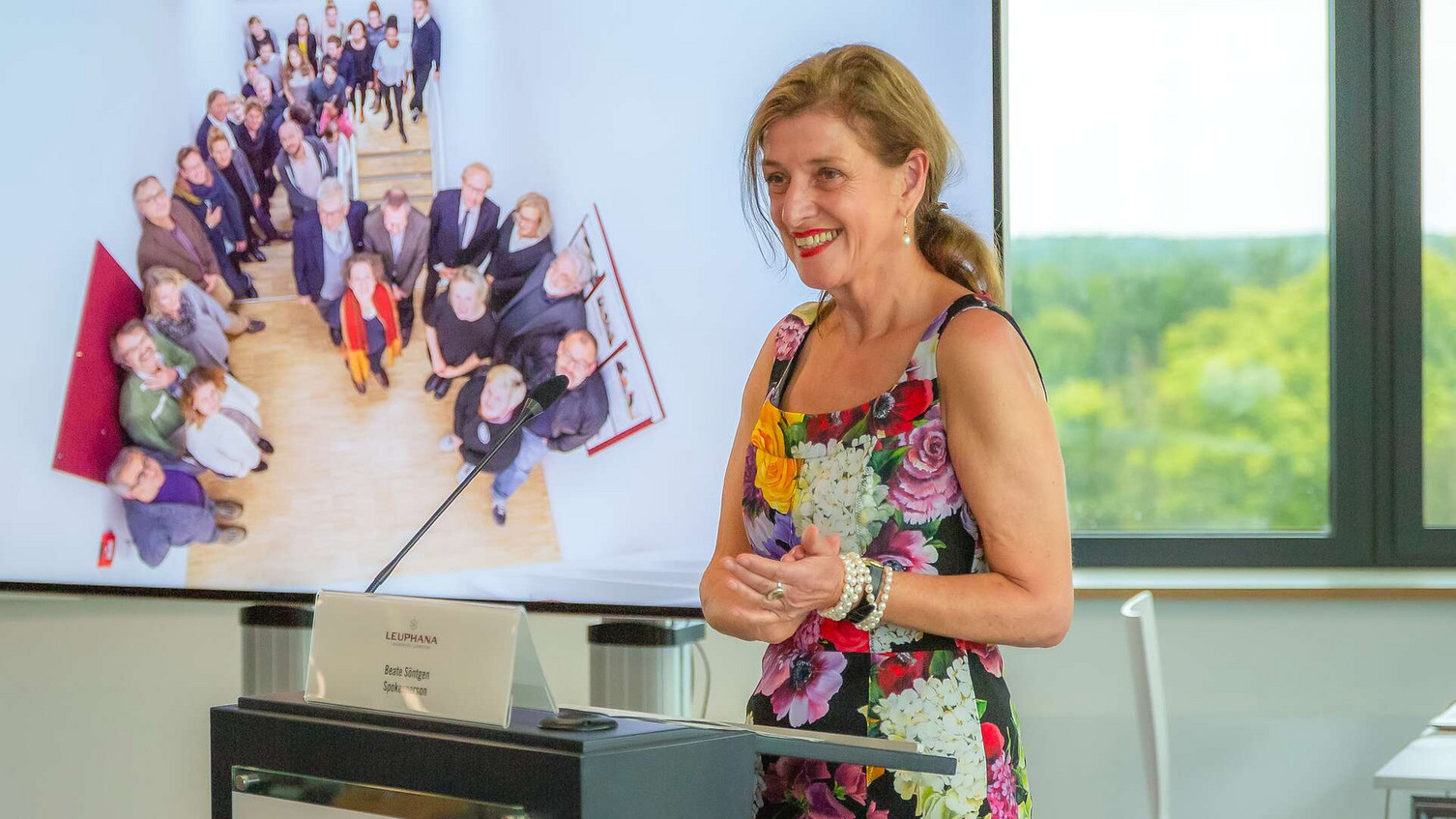
“When we think of critique, we often think of the negative first. But if you look at the origin of the word, critique means above all differentiation—the ability to distinguish before judging,” explains Prof. Dr. Beate Söntgen, spokesperson for the research training group. “Critique” was not only a topic, but also a method: art critique, media critique, and social critique. It also addressed the question of how critique is articulated in different forms of expression, in texts, in the arts, and in actions.
With funding of around eight million euros, the project is one of Leuphana's largest cultural studies initiatives. In each cohort, the program supervised twelve funded doctoral students, supplemented by associate members. The goal: to provide young researchers with a broad spectrum of approaches, perspectives, and methods. Close exchange was part of everyday life—twice a week, the program participants met to discuss current work and reflect on the status of their research.
Particular attention was paid to the question of how modes of representation shape the subject of critique. Images, texts, media—all of these can reveal problematic situations or propose alternatives. “Art in particular has the ability to formulate counter-designs, to create utopian worlds, and to reveal social contexts,” explainsthe professor of art history.
One example: Isabel Mehl's doctoral thesis was devoted to the concept of “critical fiction.” In the 1980s, writer and critic Lynn Tillman was invited by Art in America to review a Renoir exhibition. Instead of writing a traditional review, she invented the fictional character “Madame Realism,” who, as a museum visitor, brings social perspectives, observations, and questions into the museum space. The doctoral candidate analyzed this interplay between fiction and critique.
Media-critical perspectives were also represented. Saad Mtry, who comes from Syria, examined how new forms of resistance and critique develop in social media—sometimes anonymously—in times of crisis.
In later generations of collegiate students, climate issues, postcolonialism, and queerness became more prominent. Dyoniz Kindata, a doctoral student from Tanzania, is researching German colonial magazines. Volha Davydzik is focusing on forms of resistance in Belarus, while Stasya Korotkowa is examining gender crossing in Russian silent films—often accompanied by painstaking archival research, as many film sources have been lost.
Most recently, two research fellows were awarded prizes: Melcher Ruhkopf received the Maritime Cultural Heritage Award for his dissertation “Das Logistische Museum. Museen des Seehandels als Infrastrukturen der Kritik” (The Logistical Museum: Maritime Trade Museums as Infrastructures of Critique). He examined how maritime museums in Hamburg can make colonial history visible. Instead of focusing solely on ships and technical achievements, the aim is to also highlight problematic aspects. Thorsten Schneider received the Leuphana Dissertation Prize for his dissertation, which examined ideological critique in German-language art history around 1968.
The research group had an international focus, reports Beate Söntgen: “Excursions took us to London, Utrecht, Brazil, South Africa, and Tbilisi – always in cooperation with local researchers and institutions.” Nine conference proceedings have been published in recent years, with the doctoral students playing a key role in their publication.
Many of the former colleagues now work in academia, cultural management, museums, or research institutions. The broad interdisciplinary education proves to be a great advantage—and now has a lasting impact on the university: the content and concepts of the graduate college have been incorporated into degree programs such as “Critique of the Present” and into the faculty's course offerings, and continue to be taught by professors at LIAS.