
Leuphana researcher appointed as chapter scientist for the IPCC
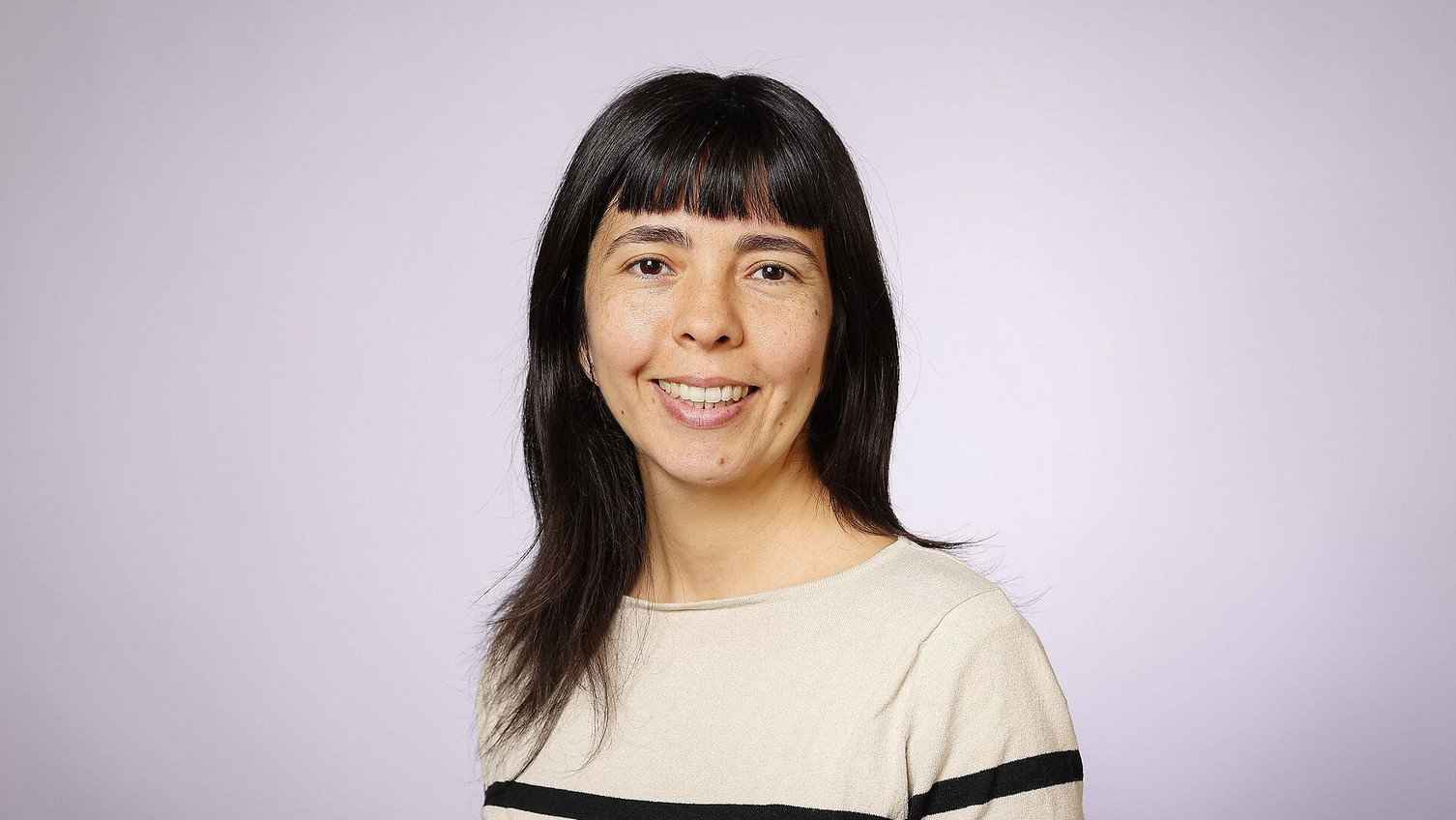
2026-02-10 Dr María Fernanda Godoy León, researcher at the Social-Ecological Systems Institute (SESI) at Leuphana University Lüneburg, has been selected as chapter scientist for the upcoming assessment report of the Intergovernmental Panel on Climate Change (IPCC).
The IPCC is considered the world's most important scientific body for assessing climate change. Its assessment reports summarise the current state of international research and form a central basis for climate and environmental policy decisions at national and international level. The researchers involved are selected according to strict scientific criteria.
As a chapter scientist, María Fernanda Godoy León supports the coordinating and lead authors in the scientific and structural development of Chapter 8: Services and demand. Her tasks include organising and evaluating extensive literature, coordinating content between different parts of the report, and supporting key work processes within the international team of authors. The position requires both a high level of technical expertise and strong coordination and communication skills.
María Fernanda Godoy León conducts research at Leuphana University in the working group led by Prof. Dr. Dave Abson, Professor of Sustainable Resource Use. Among other things, she focuses on sufficiency and consumption patterns in private households, particularly in Germany. The central question is how resource consumption, social well-being and Earth system boundaries can be reconciled. A particular focus is on issues of global justice and the consideration of local ecological capacities.
For the researcher, working with the IPCC is a great honour: ‘The task also shows how relevant the research at Leuphana is in the international sustainability discourse. Our chapter assesses how climate mitigation is linked to human well-being. We explore how demand-side solutions and sufficiency can provide essential services and a high quality of life for all, moving beyond a purely technological focus to a more holistic, social-environmental perspective."’
The collaboration with the IPCC is scheduled to last four years and will be evaluated annually. The work is mainly carried out in internationally networked, digital teams and is supplemented by regular face-to-face meetings.