
Governance & Human Rights Master: Erfahrungsberichte
Warum haben sich andere für den Master Governance and Human Rights entschieden? Was sind ihre Erfahrungen aus dem berufsbegleitenden Fernstudium an der Leuphana Professional School? Erfahren Sie hier mehr in den Erfahrungsberichten unserer Studierenden, Lehrenden und Alumni auf dieser Seite.
Erfahrungsberichte
- Huda Midani: Verständnis und Bereitschaft für akademische sowie berufliche Tätigkeiten vertiefen
- Yannik Lang: Karriere mit Sinn
- Lisa-Marie Dornbusch: Die Verbindung von digitalem Unterricht und akademischer Exzellenz
- Carolin Bersin-Tarda: Anwendung von akademischem Wissen in der Praxis
- Peđa Đurasović: Ein internationales und dynamisches Lernumfeld
Startseitenartikel
- Ahmad Dandashi: Verlassene Heimat
- Sylvester Uhaa: "Respect the Rights and Dignity of People"
- Heike Alefsen: "Bleibt beharrlich"
- Sophie Stammler: "Maya und die Menschenrechte"
- Huda Midani: Online in Damaskus (pdf)
- Ana Lozano: Entwaffnung der FARC (pdf)
Huda Midani: Verständnis und Bereitschaft für akademische sowie berufliche Tätigkeiten vertiefen
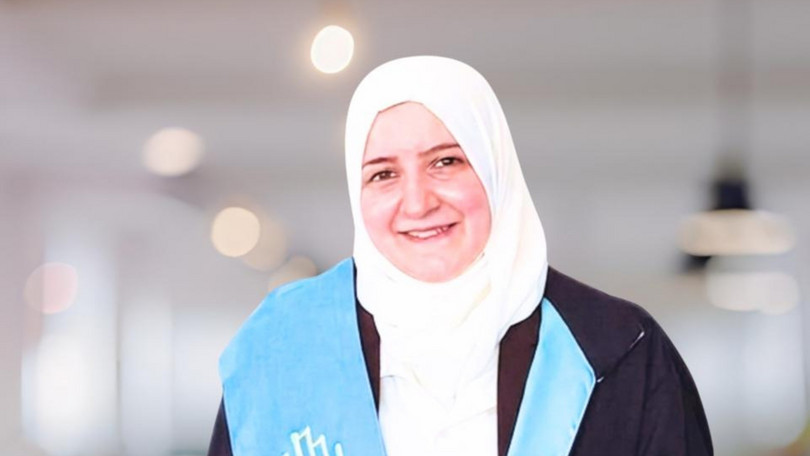 ©privat.
Huda Midani hat 2020 ihren Master Governance and Human Rights erfolgreich abgeschlossen. Sie arbeitet als Wissenschaftlerin und Beraterin an der Istanbul Medeniyet University.
Why did you decide to study at the Professional School?
I had a background in computer engineering (BSc) and business administration (MBA), but I wanted to understand more about public administration and the social and political. The professional school was an excellent choice, as it allowed me to carry on with my responsibilities at home and at work and make this shift. It was also somewhat affordable for me.
I did my best to grasp the professional as well as the academic aspects of the issues at hand since I wanted to be able to do a PhD in the future. In addition, I lived in Syria; such an educational and career shift was not available. I looked up on the internet and found very engaging and reliable information about the program and found that it meets my ambitions to enhance my understanding and readiness for academic as well as professional work.
What is special about your course of study?
The course focused on governance and human rights but took them in a broad perspective; we were asked to understand the social, cultural, and political, and even legal, contexts of many parts of the world. There was an emphasis on non-governmental organizations (NGOs), civil society organizations (CSOs), and domestic and international governmental bodies. The course includes many activities, hands-on experiences, group work, and extensive reading of diverse opinions and perspectives. We expressed ourselves and learned from each other and from a wide array of professors and authors.
Which module/course do you remember most from your studies and why?
I remember the courses on philosophy of law, the international court system, the UN institution system, world organizations, human rights, advocacy in NGOs and CSOs, project management, and many more topics. I was excited to learn about these topics and the program was rich and helpful.
How did you like the interdisciplinary content, e.g. in the complementary studies?
It was great to have an interdisciplinary, even multidisciplinary and transdisciplinary, perspective toward a holistic understanding, which encouraged us to engage with human and real-world experience and work toward decisions and solutions that account for ethical, cultural, economic, and scientific variables simultaneously.
Which knowledge from your studies has helped you the most in your job so far?
As I have completed my PhD in political philosophy and science, the knowledge I gained in this program has been beneficial in every way. The global perspective of the program was very positive for my development as an academic and a professional. I still work at an NGO, and my studies helped me understand how to apply for grants and structure project ideas for the NGO I work for.
What has your studies done to help you with your career? Are you looking for a new position/new responsibility?
My studies have been very effective in orienting me and making me understand the field. The studies also helped me gain skills such as working in teams, understanding complex issues, thinking of novel solutions, interviewing, facilitation, and many more.
I am now preparing for a formal job as a postdoc researcher. Besides my job as a consultant at an NGO, I am still doing consultation, program development, and conducting training there.
What did you learn about yourself through your studies?
I learned that perhaps I have creative potential; however, I needed to enhance my professional skills and cultural understanding to be able to contribute effectively.
What advice would you give to others about studying part-time?
The most suitable advice is to plan ahead, program your mind for execution, organize your time and energy, and just execute. As a part-time professional, you have many responsibilities. You are a multithreaded worker; try to give yourself time for thinking, exploration, planning, and rest, besides your execution (work).
The most difficult things can be accomplished step by step. Sometimes, you don't know; sometimes, you get overwhelmed, take a short break from the thing that exhausted you, and perhaps do something else you know its steps. In the background, try to find advice, plan for small experiments, and return afresh.
Did you use any counseling services before you started studying?
I did not take counseling services. As a professional, who was 32 when started, I had some experience to be able to independently evaluate information about studies and work. However, if such services were available to me, I would have taken advantage of them.
Yannik Lang: Karriere mit Sinn
 ©Privat
Yannik Lang hat bis 2026 den M.A. Governance and Human Rights studiert, um die komplexen Anforderungen seiner Tätigkeit als Einkäufer zu meistern. Das Studium vermittelte ihm wichtige Erkenntnisse für das Management komplexer Lieferketten und die wirksame Minderung der damit verbundenen Menschenrechtsrisiken.
Why did you decide to study at the Professional School?
I decided to study at the Professional School mainly because of its excellent reputation. Another important reason was that the program is designed to be completed alongside a full-time job, which fits well with my professional situation. The flexibility of the course allows me to integrate my studies into my daily routine. Additionally, I was encouraged by the recommendation of the Human Rights Education Network of the UN Office of the High Commissioner for Human Rights. This endorsement strengthened my confidence in the quality of the program. Overall, these factors made the Professional School the ideal choice for me.
What is special about your course of study?
My course of study is characterized by a very strong exchange between students. Through collaboration in projects and forum discussions, a supportive and open learning environment is created. What makes it especially valuable is the diversity of academic and cultural backgrounds among the students and lectures. This allows us to see topics and challenges from different perspectives. As a result, I am able to broaden my own horizon and develop new ways of thinking. This exchange also improves my understanding of different approaches to problem-solving. Overall, this diversity is what makes my program particularly special.
Which module/course do you remember most from your studies and why?
The module I remember most from my studies is Contemporary Issues in Human Rights. I found it particularly interesting because it addressed both current topics and more general, fundamental questions about human rights. The discussions were very engaging and encouraged critical thinking. What I especially enjoyed was the assignment to write an essay on whether human rights can limit democracy. This topic challenged me to reflect on the balance between protecting individual rights and maintaining democratic decision-making. It allowed me to explore different perspectives and develop my own well-founded opinion. Overall, this module was both intellectually stimulating and highly relevant.
How did you like the interdisciplinary content, e.g. in the complementary studies?
I really appreciated the interdisciplinary content, especially in the complementary studies. I chose the focus area Ethics and Values, which I found particularly enriching. It significantly strengthened my ability for self-reflection and critical thinking. The courses encouraged me to question my own assumptions and consider ethical dimensions in different contexts. This helped me not only academically but also in my personal development. Overall, the interdisciplinary approach added great value to my studies.
Which knowledge from your studies has helped you the most in your job so far?
The knowledge from Business and Human Rights has helped me the most in my job so far. As a buyer, I work with complex supply chains, where ensuring the respect of human rights can be very challenging. The course gave me a better understanding of these complexities and the risks involved along the supply chain. I also learned about practical mechanisms and approaches to address human rights issues effectively. Additionally, I gained insight into global standards and “rules of the game” regarding human rights. This knowledge supports me in making more responsible and informed decisions in my daily work. Overall, it has been highly relevant to my professional role.
What has your studies done to help you with your career? Are you looking for a new position/new responsibility?
My studies have significantly supported my professional development by deepening my understanding of human rights and their relevance in a business context. They have helped me to approach challenges in my current role with a more critical and responsible mindset. I have also been able to apply my existing knowledge in procurement and economics more effectively. Looking ahead, I am interested in moving into a more meaningful role that aligns closely with my values. I am also open and prepared to completely change my professional field in order to pursue a more purpose-driven career. At the same time, I would still like to make use of my expertise in supply chain management and purchasing where possible. My studies have opened up new perspectives for shaping my future career path.
What did you learn about yourself through your studies?
Through my studies, I learned that I am capable of successfully completing a degree while working full-time. This experience showed me that I have strong time management skills and can stay disciplined even under pressure. I also realized that I am highly committed when I am genuinely interested in a subject. The program made me discover a much deeper passion for human rights than I had expected. It motivated me to engage more critically and intensively with complex topics. At the same time, it gave me confidence in my ability to take on new challenges. Overall, I gained a better understanding of my strengths and personal interests.
What advice would you give to others about studying part-time?
My advice for others studying part-time is to plan your time carefully and stay consistent. It is important to keep going and not lose focus, even when balancing work and studies can be challenging. At the same time, you should not rush through the program just to finish as quickly as possible. There will be periods when work or personal life require more attention, and that is completely normal. In those situations, it is okay to take a step back and postpone exams if needed. Being flexible and realistic with your schedule helps reduce stress and makes the experience more sustainable. In the end, maintaining a healthy balance is key to succeeding in a part-time program.
Did you use any counseling services before you started studying?
No, I did not use any counseling services before I started my studies. Instead, I relied on online research to gather all the necessary information. I looked into the program structure, requirements, and experiences of other students. This helped me get a good general understanding of what to expect. Although counseling services might have been useful, I felt well-informed through my own research.
Lisa-Marie Dornbusch: Die Verbindung von digitalem Unterricht und akademischer Exzellenz
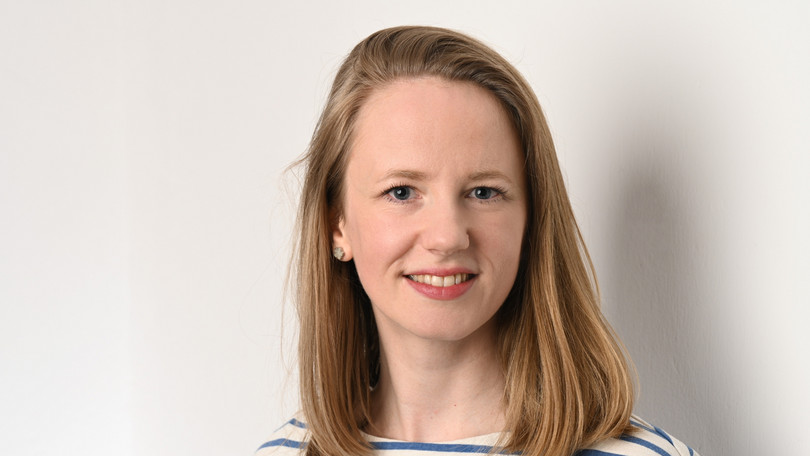 ©private
Lisa-Marie Dornbusch hat 2026 den Master Governance and Human Rights abgeschlossen und schätzt insbesondere den interdisziplinären Dialog im Studiengang.
Why did you decide to study at the Professional School?
The Professional School combines modern digital teaching with academic excellence. Before I decided to enrol, the team at the Professional School were always available to answer any questions I had about the course content and structure.
What is special about your course of study?
The Master’s programme in ‘Governance and Human Rights’ combines legal expertise in human rights with theories of governance. Whether you are a lawyer, teacher, policy officer or social worker – all disciplines come together here to explore practical ways of applying what they have learnt within their respective fields. This fosters a rewarding interdisciplinary dialogue.
Which module/course do you remember most from your studies and why?
The course ‘Governance in Comparative Perspectives’ provided a comprehensive overview of various governance theories and models; at the end, we participants were able to present our findings to our fellow students during a live session.
How did you like the interdisciplinary content, e.g. in the complementary studies?
The interdisciplinary content was very enriching; in particular, the complementary module ‘Society and Responsibility’ incorporated relevant issues from the fields of occupational psychology and philosophy. A particular highlight for me in this context was attending the final conference of the equivalent German-language complementary module on the Leuphana campus, which focused on crises as drivers of change.
Which knowledge from your studies has helped you the most in your job so far?
The independent organisation of an interdisciplinary digital conference, which strengthened my project management skills.
What has your studies done to help you with your career? Are you looking for a new position/new responsibility?
I am looking for a new role where I can put my in-depth expertise in the field of children’s rights to good use.
What did you learn about yourself through your studies?
Studying remotely presents particular challenges, which, compared to on-campus study, require a well-structured daily routine and ample opportunities to meet up with fellow students in the digital space.
What advice would you give to others about studying part-time?
It is important to clarify in advance both the financial aspects of the further education course and the conditions for continuing employment with your current employer, or for changing jobs if necessary. Studying part-time is not a sprint, but a marathon that requires thorough preparation.
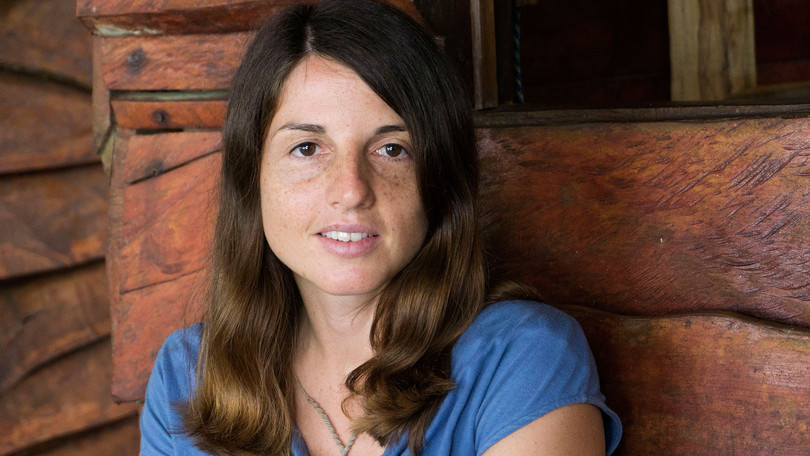
Carolin Bersin-Tarda: Anwendung von akademischem Wissen in der Praxis
 ©private
Carolin Bersin-Tarda studiert seit 2025 im Master Governance and Human Rights, um für ihre Arbeit in den Bereichen Entwicklungszusammenarbeit, Menschenrechtsbildung und Bildung für eine nachhaltige Entwicklung neues Wissen und Einblicke zu erlangen.
Why did you decide to study at the Professional School?
I have been working for many years in the fields of fair development cooperation, human rights education, and education for sustainable development. I was looking for a programme that would deepen my knowledge and provide more insights into these areas.
Another key factor is the programme’s flexible structure, which makes it possible to balance studies and career. Its organization allows for a high degree of flexibility, making it feasible to continue working while pursuing further academic development.
Furthermore I appreciate the excellent support provided by the coordinators and the flexibility of the curriculum, as this makes it easy to balance my studies with my career.
What is special about your course of study?
The programme offers me a unique opportunity to engage deeply with the interconnected fields of governance and human rights, going beyond theory to explore their practical relevance in diverse contexts. I appreciate the strong international learning environment, allowing to build a global network of peers and professionals. Through exchanges with experts from different regions and backgrounds, I gain firsthand insights and a wide range of perspectives.
Which module/course do you remember most from your studies and why?
Several modules stood out to me, particularly the course on the fundamental principles and practical dimensions of good governance. It provided a nuanced understanding of governance beyond theory, highlighting its multilateral nature and the complexity of coordinating across different actors and levels. I also gained hands-on insight into concrete tools and methodologies used to assess governance systems, which helped bridge the gap between conceptual frameworks and real-world application.
Another course I really enjoyed was Business and Human Rights that addressed linkages between transnational business activities and human rights and give an overview and understanding of instruments and legal frameworks, recent developments and methodologies that regulate businesses and human rights and corporate social responsibility.
How did you like the interdisciplinary content, e.g. in the complementary studies?
The complementary studies strengthened my ability to structure arguments clearly, engage critically with sources, and communicate complex ideas in a precise and coherent way. These skills were not only essential for completing assignments but also enhanced my overall confidence in academic work.
The project course bridges the gap between theory and practice by allowing to connect the studies with professional experience in the field of human rights. Through this format, I am able to apply academic knowledge to real-world contexts, gain practical insights into the sector, and better understand how governance and human rights principles operate in practice.
Which knowledge from your studies has helped you the most in your job so far?
In my current role at a civil society network that designs and delivers educational programmes and events on global policy issues, the most valuable knowledge from my studies has been my understanding of the close interconnection between human rights and governance. I gained in-depth insights into various areas of human rights policy and developed a strong awareness of how human rights are embedded in governance structures at local, national, and international levels. This perspective has been particularly useful in my work, as it allows me to approach global challenges in a holistic way and to design educational formats that reflect the complexity of these issues. It also enables me to translate abstract human rights principles into concrete, accessible content for different audiences, and to highlight how governance decisions directly impact the realization of human rights.
What has your studies done to help you with your career? Are you looking for a new position/new responsibility?
My studies inspired me to bring more international perspectives into my work and to broaden the scope of the programmes I develop. In particular, I have been able to expand our content by integrating new themes, approaches, and viewpoints, which has enriched both the educational programmes and the discussions we facilitate.
At the same time, the programme encourages me to continuously reflect on my professional development. I am open to taking on new responsibilities that allow me to further apply and deepen these perspectives—especially in roles where I can strengthen the international dimension of my work and contribute to shaping innovative, globally oriented programmes.
What did you learn about yourself through your studies?
Through my studies, I learned a great deal about my own capabilities and mindset. At the beginning, I wasn’t sure whether I would be able to manage such a demanding curriculum alongside my professional work. Over time, however, I realized that I am capable of balancing an intensive study programme with my job although it pushed me to my limits at times, but I was able to navigate these challenges and successfully manage both responsibilities.
At the same time, the experience shows me how much there is still to discover and learn. It strengthens my curiosity and openness, and makes me more confident in exploring new topics and perspectives beyond my comfort zone.
What advice would you give to others about studying part-time?
My main advice would be: don’t be afraid to try it. It’s normal to have doubts at the beginning, but a lot of the skills you need actually develop along the way. Have confidence in your abilities—even if you don’t feel fully prepared at first.
Studying part-time requires courage and commitment, but it is absolutely worth it. You will grow into the challenges, and over time you’ll realize you’re capable of much more than you expected.
Did you use any counseling services before you started studying and did you find them useful?
Yes, I made use of counseling and information services before starting the programme. I had a personal exchange prior to enrolling and also attended an information presentation at Leuphana University Lüneburg. Both were very helpful—they gave me a clearer understanding of the programme and its expectations, and ultimately convinced and encouraged me to apply.
Peđa Đurasović: Ein internationales und dynamisches Lernumfeld
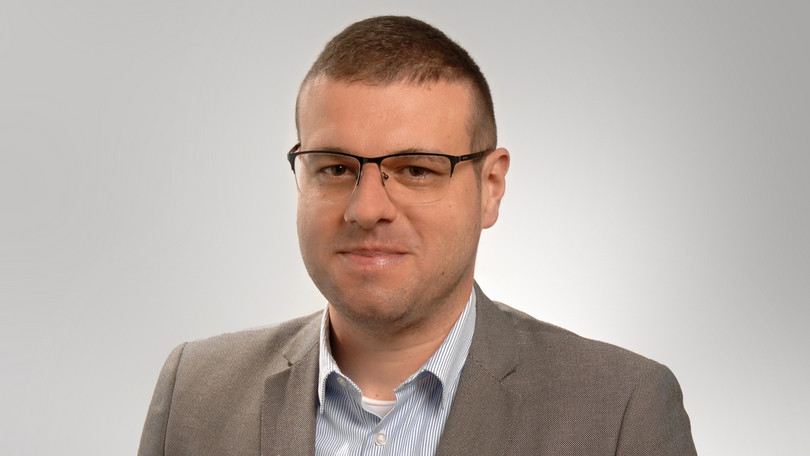 ©private
Why did you decide to study at the Professional School?
I decided to study at the Master's program in Governance and Human Rights because it offered an international and dynamic learning environment that brings together diverse perspectives from across the world. The program stands out for its focus on international governance and human rights policy frameworks, which allowed me to explore complex global issues from multiple angles. I was particularly drawn to the opportunity to learn alongside classmates with varied professional and cultural backgrounds, as this enriches discussions and broadens understanding. Overall, the course strengthened my analytical skills and deepened my ability to engage with international policy challenges in a meaningful way.
What is special about your course of study?
What makes this course of study particularly distinctive is its strong international dimension and multidisciplinary approach. It brings together diverse perspectives on global governance and human rights policy frameworks, allowing for a comprehensive understanding of complex international issues. A key strength of the program lies in the diversity of its participants—professionals from different parts of the world who contribute varied professional experiences and insights. This creates a dynamic learning environment where academic knowledge is constantly enriched by practical, real-world perspectives.
Which module/course do you remember most from your studies and why?
The module I remember most from my studies is Human Rights and Governance: Norms and Principles.
What made it particularly memorable was its focus on how international standards are applied to protect the rights of vulnerable groups such as women, children, migrants, and persons with disabilities. The module went beyond theory by examining the real-world challenges of enforcing and implementing these rights in different contexts. Practical analysis of how human rights frameworks work in practice and where they often face limitations provided an additional value.
Overall, the combination of analyzing international human rights regimes and applying them to concrete situations made this module both highly relevant and intellectually engaging.
How did you like the interdisciplinary content, e.g. in the complementary studies?
I really appreciated the interdisciplinary content of the studies. The variety of different perspectives and sources for learning and analysis significantly broadened my understanding of the topics. It helped me move beyond a single disciplinary approach and develop a more nuanced view, especially when examining complex issues from multiple angles.
Which knowledge from your studies has helped you the most in your job so far?
The knowledge from my studies that has helped me the most in my job so far includes a strong understanding of international obligations and approaches to various global issues. In particular, my knowledge of international policies in governance and human rights has been highly relevant in practice, as it provides a solid framework for analysing and addressing complex situations. Additionally, my understanding of the functioning of the civil society sector has been very useful, especially in working with stakeholders and engaging in policy-related processes.
What has your studies done to help you with your career?
My studies have significantly supported my career by contributing to both my academic and practical development, which has been important for my professional advancement. The combination of theoretical knowledge and practical experience has strengthened my skills and prepared me to approach my work in a more informed and structured way. Overall, this academic development enriched with practical experience has equipped me to remain open to new professional challenges and opportunities for growth.
What did you learn about yourself through your studies?
Through my studies, I learned that I am a good team player who values collaboration and the exchange of ideas with others. I also discovered that I am eager to face new challenges and step out of my comfort zone when needed. In addition, I realized that I am particularly motivated by the practical application of new knowledge, as it allows me to connect theory with real-life situations and continuously develop my skills.
What advice would you give to others about studying part-time?
My main advice is to always strive to combine the acquired knowledge with professional experience. It is important to actively connect what you learn in your studies with real-life work situations, as this not only strengthens understanding but also makes the learning process more practical and relevant. This approach helps to better retain knowledge and continuously develop professionally while managing both study and work commitments.
Did you use any counseling services before you started studying?
No, I immediately realized that this study program is perfectly tailored for me, both in terms of its content and the opportunities it offers.
 ©privat
 ©Leuphana
 ©privat
Kontakt & Beratung
Koordination
Dr. Iryna Shkura
Universitätsallee 1, 40.121
21335 Lüneburg
Fon 04131.677-2942
gahr@leuphana.de
E-Mail-Kontakt
Sie erreichen das Team des Studiengangs per E-Mail an gahr@leuphana.de.